Sustainable Elegance: The Non-Toxic Kitchen Edit for Eco-Friendly Holiday Hosting
The Rosie Home Edit contains affiliate links. If you make a purchase through these links, we may receive a commission. Thank you for supporting the work we do to curate this space.
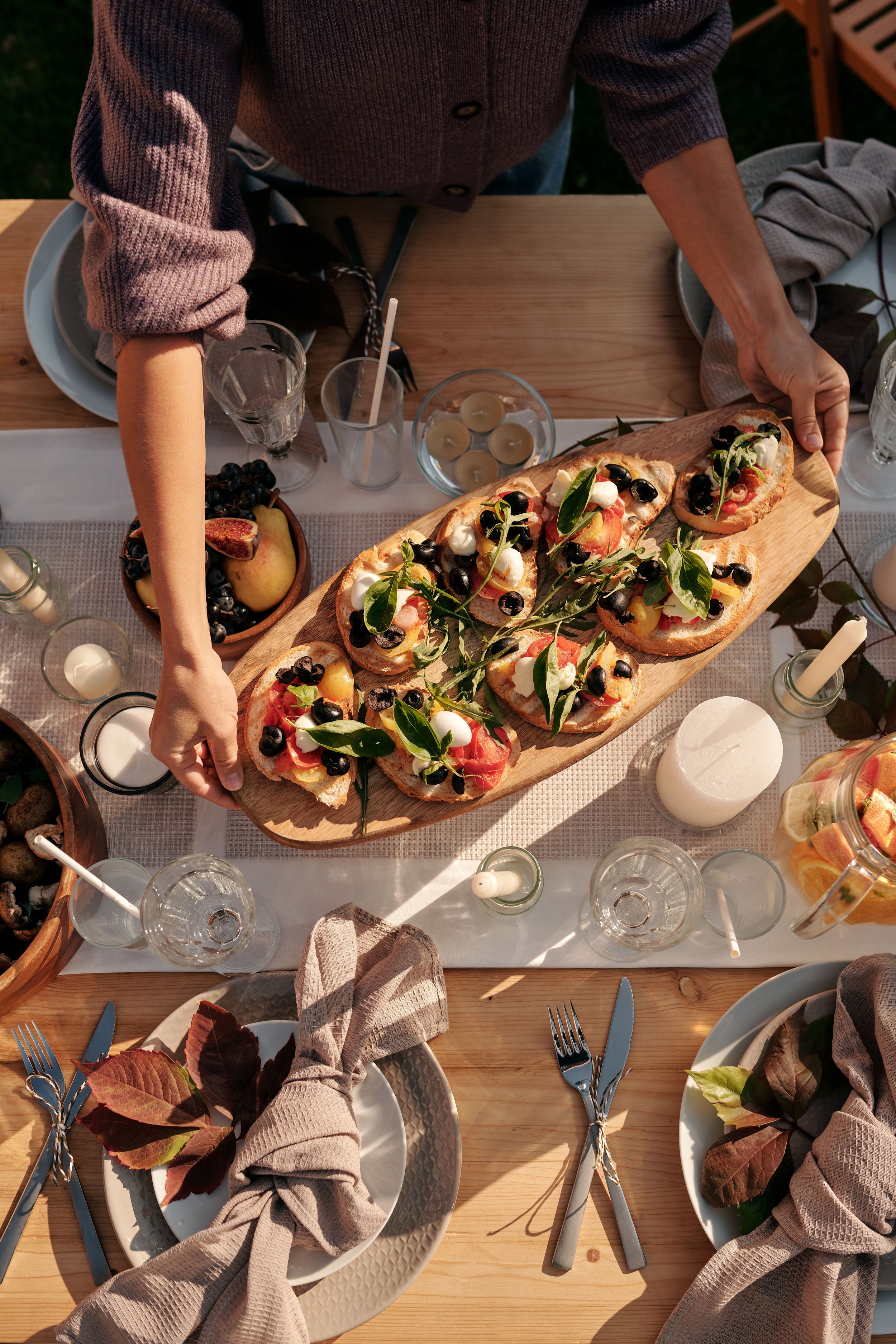
Have you ever considered what goes into creating a truly welcoming, memorable dinner gathering? There is a beautiful, invisible rhythm to holiday hostmanship that extends far beyond the guest list or the music playing softly in the background. It is felt in the weight of a hand-forged linen napkin, the warm glow of beeswax candles across a wooden table, and the quiet comfort of knowing every dish was prepared using clean, sustainable materials.
As the crisp, cool air of late fall settles over our homes, the kitchen rapidly becomes the undisputed heart of the domestic sanctuary. We spend hours roasting seasonal root vegetables, simmering aromatic broths, mixing winter cocktails, and gathering loved ones around kitchen islands and dining tables.
However, traditional holiday prep often brings an unspoken environmental burden. Single-use plastic wraps, synthetic non-stick cookware laced with forever chemicals, bleached paper products, and petroleum-based scented candles quietly compromise both our personal health and the planet.
Cultivating a high-end, elegant home does not require sacrificing your commitment to clean, non-toxic living. By making intentional, elevated swaps in your kitchen and entertaining routines, you can host memorable seasonal gatherings that embrace both luxury and sustainability.
If you are ready to curate a clean, planet-conscious cooking space and host with effortless grace this cold-weather season, explore this comprehensive guide to non-toxic kitchen essentials, sustainable cookware, plastic-free tableware, and thoughtful hostess gifting.
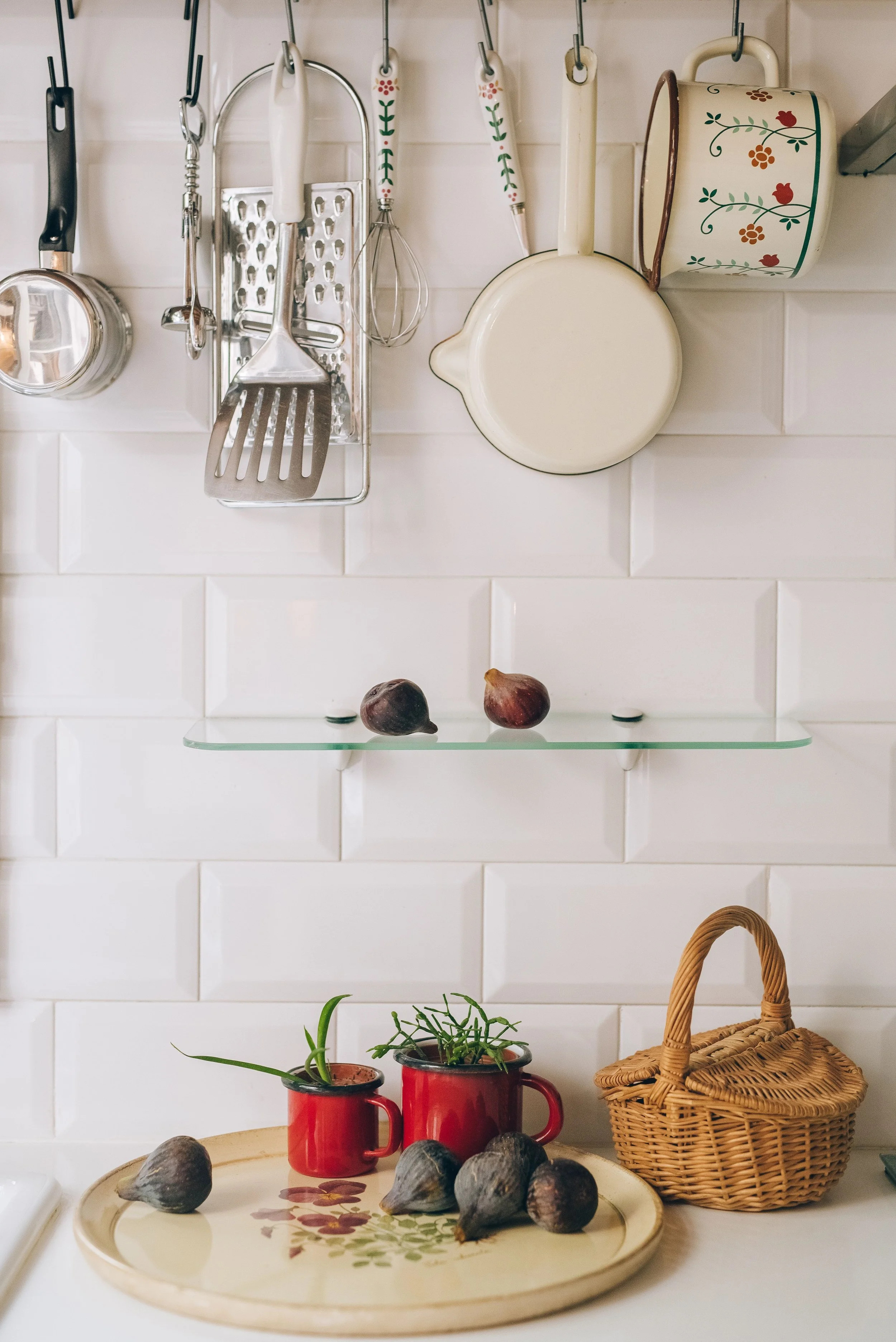
The Foundation of a Non-Toxic Kitchen: Swapping Synthetic Cookware for Clean Metals
The journey toward a non-toxic kitchen begins at the source: the cookware you use to prepare your seasonal meals. For decades, traditional non-stick cookware made with synthetic fluoropolymer coatings (commonly known as PFAS or PTFE) dominated home kitchens due to its convenience. However, when heated to high temperatures during roasting or searing, these chemical coatings can degrade, off-gas toxic fumes into your home, and leach harmful compounds directly into your food.
Upgrading your cookware to natural, non-toxic alternatives is the single most impactful investment you can make for your health and the longevity of your kitchen.
How do you choose clean cookware that delivers professional-grade culinary performance while elevating your kitchen aesthetic?
SHOP THE EDIT


Enamel-Coated Cast Iron Dutch Ovens
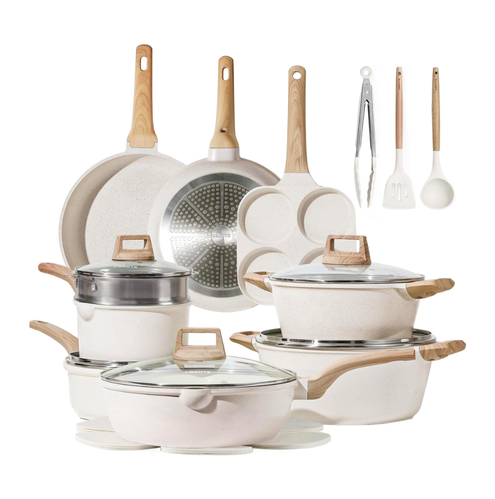
Nothing says cold-weather hosting quite like a heavy, heirloom-quality Dutch oven resting on a gas stove. Cast iron clad in smooth, non-reactive porcelain enamel provides exceptional heat retention, making it ideal for slow-braised short ribs, sourdough bread, and rich winter stews. Because the smooth enamel glaze creates an inert barrier, it will never react with acidic ingredients like tomatoes, citrus, or wine, ensuring your food tastes pure and clean.
Opt for deep, earthy colorways—like rich forest moss, warm biscuit, or dark charcoal—that allow the pot to double as a stunning, rustic serving dish directly on your holiday table.
Multi-Clad Stainless Steel
Stainless steel is the undisputed workhorse of the professional non-toxic kitchen. High-grade, three-ply or five-ply stainless steel features an aluminum core sandwiched between layers of durable, non-reactive steel. It contains zero synthetic coatings, will never chip or scratch, and handles high-temperature searing and roasting with absolute precision.
When hosting a large holiday meal, stainless steel roasting pans and saucepans offer unmatched reliability, transitioning effortlessly from the stovetop to the oven without any risk of chemical off-gassing.
Raw Seasoned Cast Iron and Carbon Steel
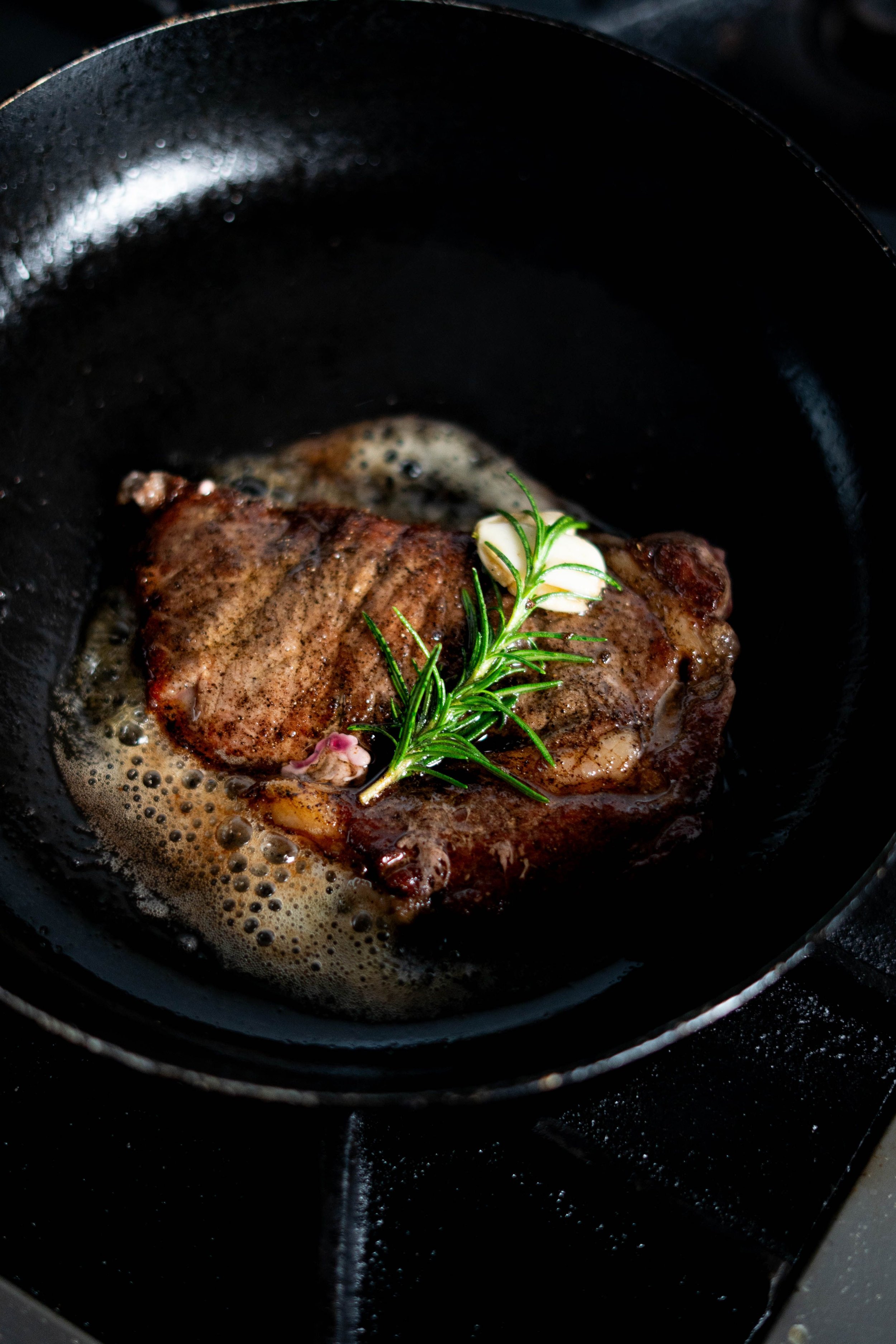
For those who appreciate traditional, time-honored cookware, raw cast iron and carbon steel offer natural, chemical-free non-stick capabilities when properly seasoned with plant-based oils. Carbon steel skillets offer the responsiveness of stainless steel paired with the heat retention of heavy cast iron, making them an extraordinary choice for searing steaks, browning winter squash, or baking fruit tarts.

Sustainable Tabletop Architecture: Plastic-Free Linens, Glass, and Ceramics
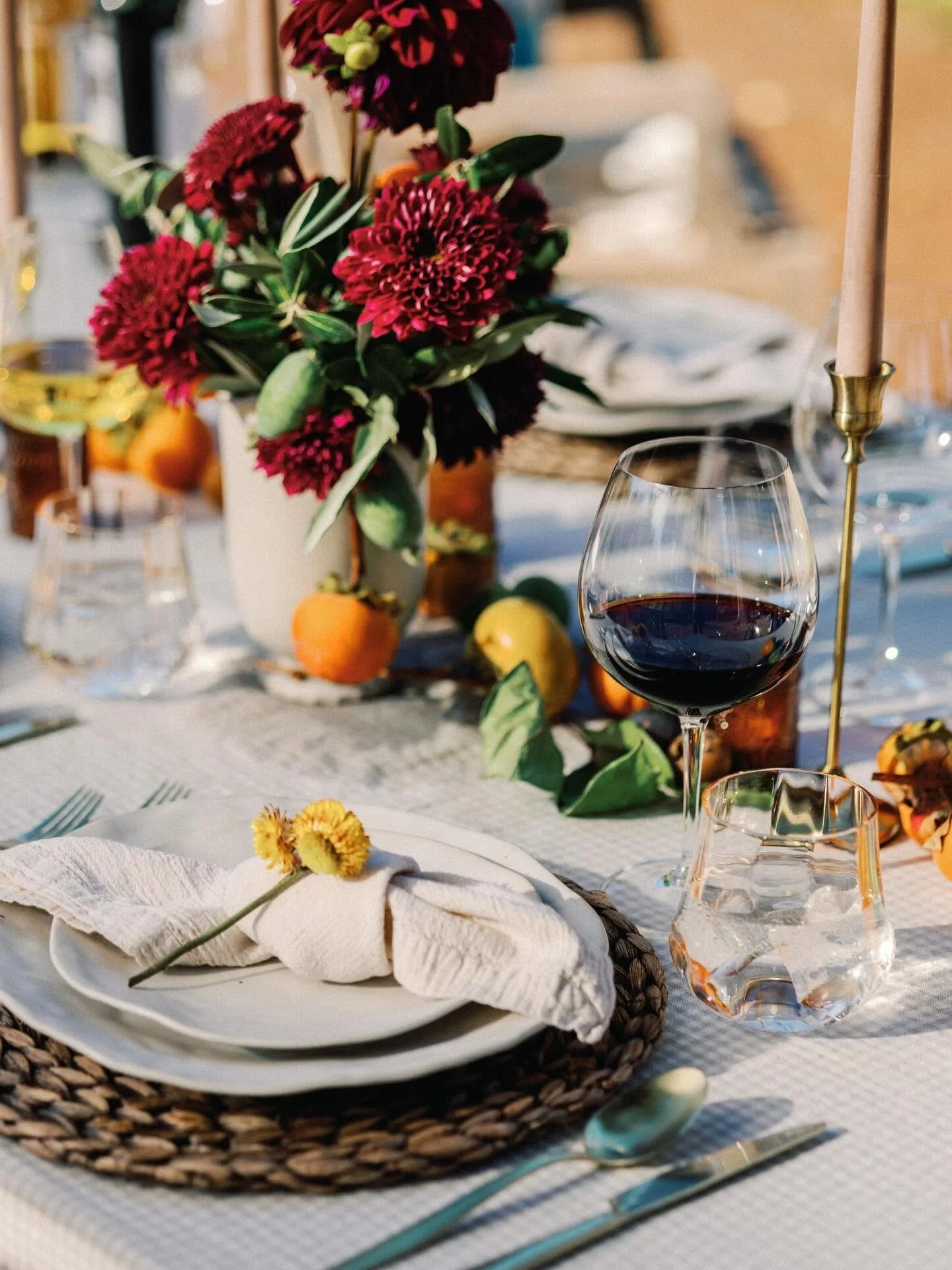
Once the food is prepared, setting a quiet luxury holiday table is about creating visual warmth, tactile depth, and a sense of generous hospitality. Plastic-laden tablecloths, synthetic polyester napkins, and disposable paper plates have no place on an eco-friendly holiday table. Instead, lean into raw, natural materials that showcase the unrefined beauty of the physical world.
What are the core elements of a planet-friendly, aesthetically pleasing holiday tablescape?

Pure Washed Organic Linen
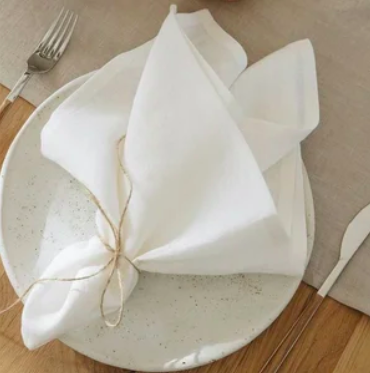
Table linens serve as the canvas for your entire meal. Replace synthetic tablecloths with heavy, 100 percent organic European flax linen runners and napkins. Natural linen possesses a unique slubby texture and a soft, fluid drape that looks effortlessly chic without needing to be ironed flat.
Select grounded, nature-inspired tones like oatmeal, warm sand, muted sage, or dark espresso. Pure linen is completely biodegradable, highly absorbent, and grows softer and more beautiful with every laundering, lasting for decades of family gatherings.
Hand-Thrown Stoneware and Artisanal Ceramics
Ditch mass-produced, chemically glazed dinnerware in favor of hand-thrown ceramic or stoneware plates and serving bowls. Artisanal ceramics showcase natural variations in form and glaze texture, bringing an organic, human touch to your table setting.
Look for lead-free, cadmium-free glazes with soft matte or satin finishes. Serving your holiday turkey, roasted carrots, or wild rice pilaf in heavy ceramic platters adds architectural weight and timeless character to your meal.
Hand-Blown Recycled Glassware
Elevate your holiday drink service with mouth-blown, lead-free glass decanters and water goblets. Glassware crafted from recycled glass often features subtle, charming air bubbles and a gentle green or smoke tint that catches ambient candlelight beautifully.
Pairing sparkling water or natural biodynamic wines with heavy, hand-crafted crystal or glass tumblers turns every toast into a celebratory sensory experience.
The Minimalist Table Setting: How to Set a Simple, Elegant Dinner Table
Eliminating Kitchen Plastic: Non-Toxic Food Prep and Storage
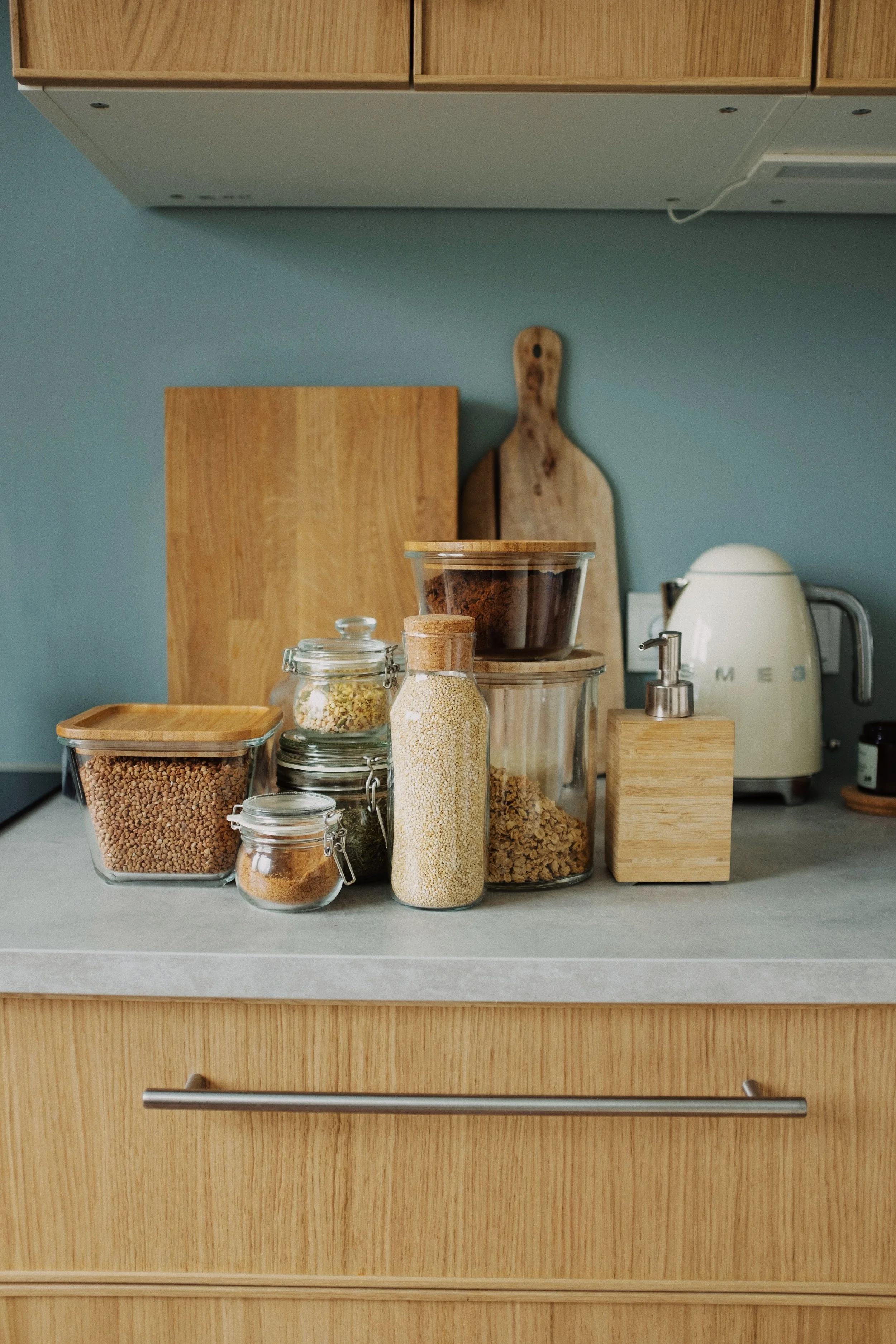
The days surrounding a holiday dinner party are inevitably filled with meal prep, ingredient organization, and managing leftovers. Traditional kitchen routines rely heavily on single-use plastic wrap, plastic storage bags, and synthetic tupperware—all of which leach microplastics and endocrine-disrupting chemicals like phthalates into hot or fatty foods.
Transitioning to a plastic-free prep and storage system protects your food purity while streamlining your refrigerator organization.
How can you eliminate plastic from your holiday cooking prep effortlessly?
End-Grain Hardwood Cutting Boards
Replace plastic cutting boards—which shed thousands of microscopic plastic particles into your ingredients with every knife stroke—with thick, end-grain hardwood boards made from sustainable walnut, maple, or teak. Hardwood cutting boards are naturally antimicrobial, gentle on sharp chef knives, and serve as stunning grazing boards for artisanal cheeses, charcuterie, and fresh fruits during cocktail hour.
Plastic-Free Food Storage Solutions
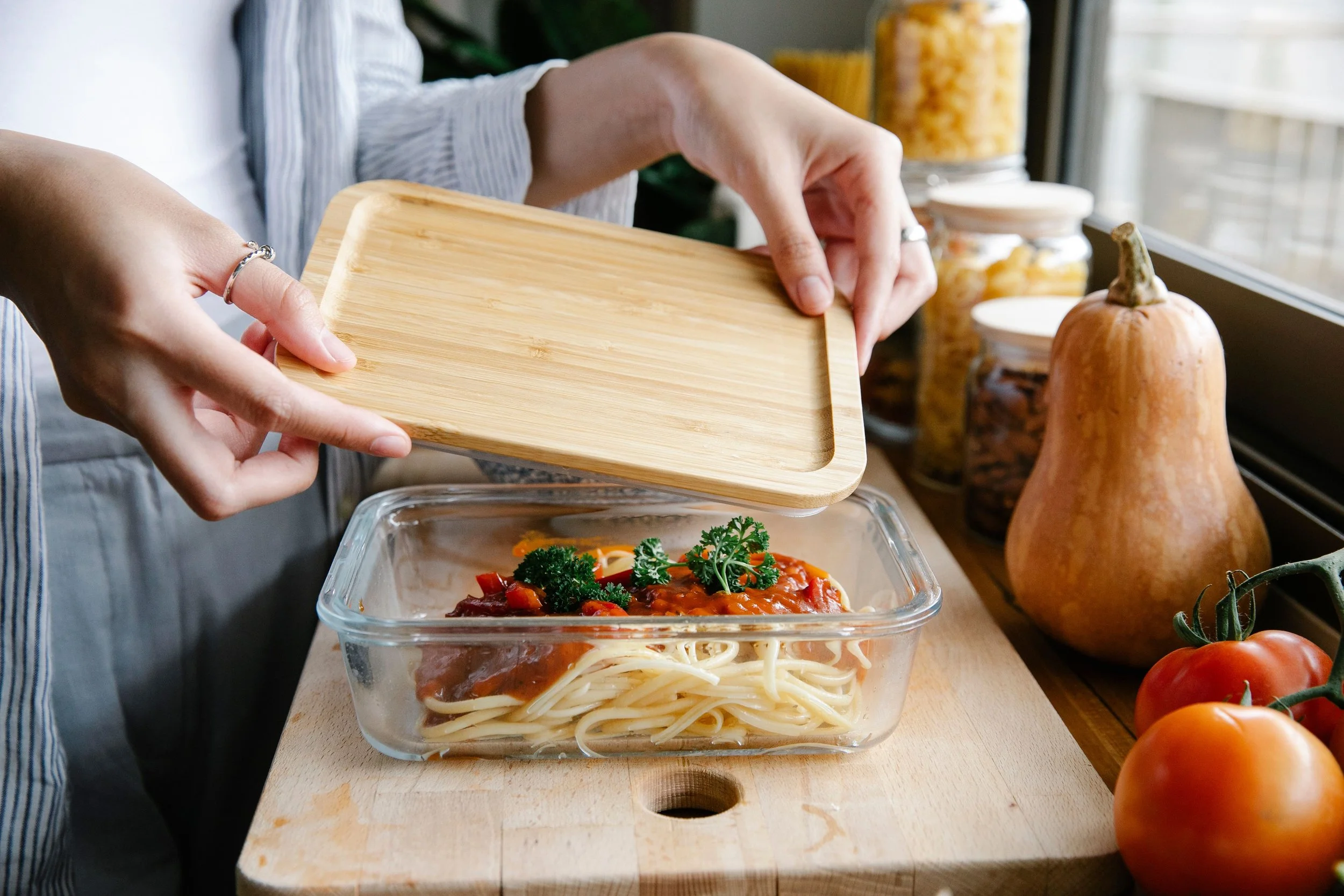
Borosilicate Glass Containers: Store leftover turkey, gravies, and side dishes in heavy glass food containers equipped with stainless steel or bamboo lids. Glass is completely non-porous, meaning it will never absorb food odors, stain from tomato sauces, or leach chemicals when reheating in the oven.
Organic Beeswax Food Wraps: Replace disposable cling wrap with reusable food wraps crafted from organic cotton coated in natural beeswax, jojoba oil, and tree resin. The warmth of your hands molds the wrap securely over open ceramic bowls, half-cut lemons, or blocks of cheese, keeping food fresh naturally.
Stainless Steel Nesting Bowls: For active holiday baking and salad prepping, lightweight stainless steel mixing bowls offer an indestructible, chemical-free alternative to plastic containers.
The Non-Toxic Kitchen Edit: Simple Swaps for a Healthier, Aesthetic Pantry

Ambient Lighting and Clean Scents: Atmosphere Without Synthetic Fragrance
Creating a warm, intimate mood is essential for any successful evening dinner party, but commercial room sprays, synthetic plug-ins, and cheap paraffin wax candles pollute indoor air quality with volatile organic compounds like benzene and formaldehyde.
To keep your home's air clean, fresh, and inviting for arriving guests, rely on natural air-purifying practices and clean-burning illumination.

Pure Beeswax and Botanical Soy Candles
Paraffin wax is a byproduct of petroleum refining that releases soot and toxins when burned. Replace paraffin candles with 100 percent pure beeswax or non-GMO soy wax candles featuring lead-free cotton wicks.
Beeswax candles burn with a bright, warm golden light and naturally release negative ions that help neutralize dust and airborne allergens. Their faint, delicate aroma of natural honey warms a room without clashing with the complex flavors of the dinner meal.
Stovetop Simmer Pots for Natural Home Fragrance
Instead of burning heavy synthetic fragrance oils during dinner, create a natural, aromatic simmer pot on your stovetop or in a small cast-iron pot. Combine water with organic orange peels, cinnamon sticks, whole cloves, fresh pine sprigs, and sliced ginger. Simmering these ingredients on low heat fills your entire home with a warm, genuine holiday fragrance that feels grounded, authentic, and completely non-toxic.
Thoughtful, Eco-Friendly Hostess Gifts: Clean Indulgences
If you are attending a dinner party as a guest this fall or winter, bringing a thoughtful, non-toxic hostess gift is a gracious way to show appreciation for your host's time and hospitality. Skip mass-market plastic gift baskets and select artisanal items that celebrate sustainable luxury and natural craftsmanship.
Consider these curated, clean hostess gift ideas for your upcoming holiday gatherings:
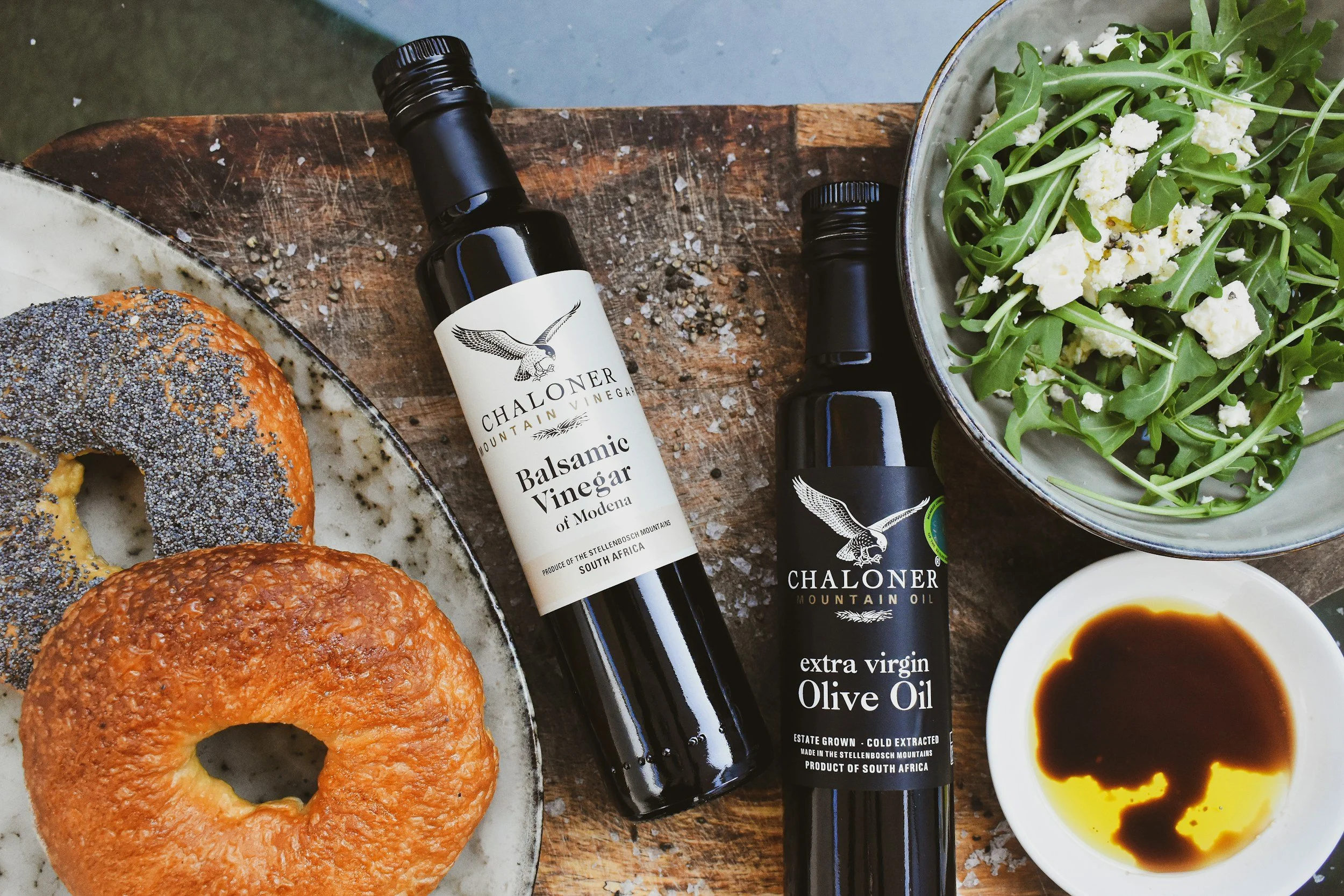
1. Single-Estate Extra Virgin Olive Oil
A bottle of cold-pressed, single-estate organic extra virgin olive oil housed in a dark glass bottle or ceramic crock is a chef's dream gift. Look for small-batch producers who practice regenerative farming and harvest early for high polyphenol and antioxidant levels. Pair the oil with a small wooden dipping dish or an olive oil dispenser spout.
2. Hand-Crafted Solid Botanical Soaps
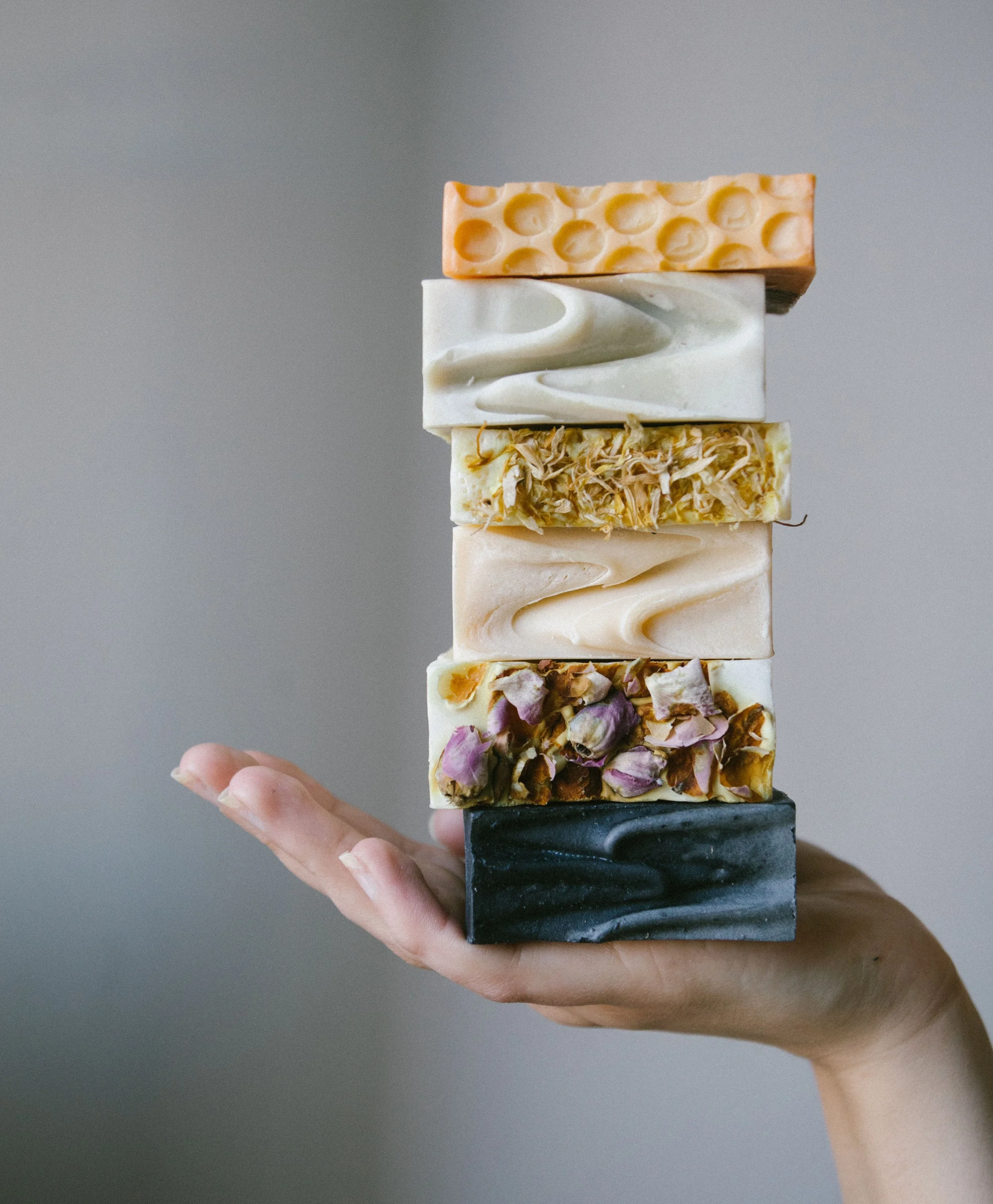
Gift a duo of cold-processed, palm-oil-free botanical bar soaps wrapped in compostable recycled paper. Brands that utilize pure essential oils—like wild sage, cedarwood, lavender, or heirloom tomato—bring a luxurious, spa-like ritual to your host's powder room or kitchen sink.
3. Pure Organic Cotton Kitchen Towels
High-quality kitchen linens are a luxury that hosts rarely buy in excess for themselves. A tied stack of unbleached, organic waffle-weave cotton kitchen towels paired with a wooden dish brush crafted from natural tampico fibers offers a functional, elevated gift that looks beautiful resting on any countertop.
4. Natural Biodynamic or Organic Wine
Select a bottle of low-intervention, biodynamic, or organic wine sourced from a small, family-owned vineyard. Natural wines are produced without synthetic pesticides, chemical additives, or excessive sulfites, delivering a cleaner, truer expression of the grape that pairs magnificently with seasonal holiday menus.
What Are the Best Organic Wines? The Ultimate Guide to Clean Pouring
5. Loose-Leaf Herbal Tea and Raw Honey
Offer the gift of relaxation after a busy hosting weekend. Combine a tin of organic loose-leaf herbal tea—such as chamomile, peppermint, or spicy chai—with a jar of raw, unfiltered local wildflower honey and a carved wooden honey dipper.
The Art of Mindful Hospitality
Creating a non-toxic, eco-friendly kitchen is not about achieving absolute perfection or throwing away every synthetic item overnight. It is a slow, joyful process of making considered choices that honor your health, respect the natural environment, and elevate the daily rituals of cooking and hosting.
When you prepare a holiday meal using clean cookware, serve it across natural organic linens, and illuminate your dining table with soft beeswax candles, you offer your guests a rare and precious gift: an environment of complete safety, warmth, and quiet luxury.
Which sustainable swap or non-toxic kitchen essential will you be introducing to your home for this season's holiday hosting?
The Hostess Edit: How to Assemble a High-End Charcuterie Board
The White Company Table Decor: Neutral Table Linens and Candle Accessories for Festive Dinners
The Curated Entryway: How to Style a Console Table Using the "Rule of Threes"