The Rosie Home Edit contains affiliate links. If you make a purchase through these links, we may receive a commission. Thank you for supporting the work we do to curate this space.

Let’s be honest: the kitchen counter is the hardest-working surface in your entire home. It is where you chop vegetables for dinner, sort through morning mail, brew your daily espresso, and inevitably drop your keys at the end of a long day.
Because it is a high-traffic destination, it easily becomes a chaotic dumping ground for clutter. Plastic vitamin bottles, stray charging cords, mismatched dish soaps, and half-used cutting boards stack up over time, turning your beautiful kitchen into a source of low-level visual stress.
But your kitchen counters do not have to be a mess. You can easily transform cluttered, disorganized countertops into a serene, high-end kitchen oasis without losing an ounce of functional utility.
The secret lies in adopting a strict, modern curation framework. By understanding the delicate balance between concealed storage systems and artful decor styling, you can create a luxurious, airy space that feels like a boutique vacation rental every single time you walk into the room.
The Philosophy of the "Soft Kitchen" Shift

For years, modern kitchen design leaned into rigid, sterile minimalism, think cold concrete, completely bare glossy white surfaces, and an absolute ban on showing any signs of daily life.
However, current design principles have shifted away from this uninviting look. Today's most coveted spaces embrace the "Soft Kitchen" trend. This movement centers around trading cold, stark surfaces for cozy, highly textured, and lived-in cooking spaces.
The goal of a modern countertop is not to hide everything you own and live in a museum. Instead, the goal is to lower the visual noise. We do this by concealing the unappealing, daily clutter while intentionally displaying items that offer rich texture, beautiful craftsmanship, and organic warmth.
When your counters share a cohesive design story, cooking shifts from a chaotic daily chore to a peaceful daily ritual.
Step 1: The Kitchen Counter Audit & "Appliance Eviction"

Before buying a single stoneware crock or wooden tray, you must perform a ruthless counter audit. The number one reason kitchen counters feel cluttered is that we allow large, heavy appliances to permanently park on our prime real estate out of pure habit.
Empty your countertops completely. Clear off every single item and place it all onto your dining room table or kitchen island. This gives you a blank canvas to evaluate your workspace accurately.
The 3-Sided Rule for Countertop Appliances:
To decide what stays out and what gets tucked away, ask yourself these three strict questions:
Do I use this appliance every single day? (e.g., your espresso machine or toaster).
Is it too heavy or structurally difficult to pull out of a lower cabinet?
Does the design of the appliance actually elevate the room's aesthetic?
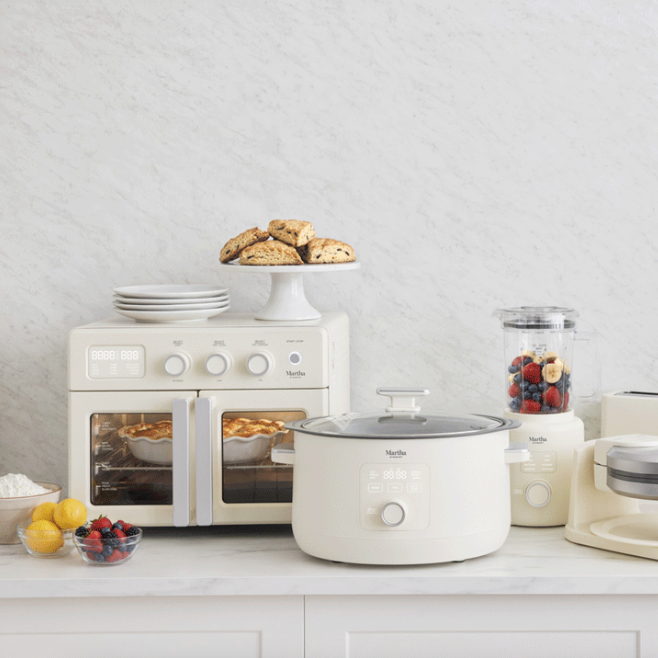
If an item fails even one of these criteria—like a bulky food processor you only use on weekends, a bright red blender, or a slow cooker—it needs to be evicted from the counter. Move these secondary appliances into lower cabinets, deep drawers, or a dedicated pantry shelf.
Once your heavy appliances are cleared, give your stone or quartz counters a deep scrub to remove any hidden grease or sticky residue.
Step 2: Master the Styling "Rule of Three"

Blank, empty countertops can look unfinished and cold. To make your counters feel curated by an interior designer, you need to cluster your remaining daily items into small, deliberate vignettes using the Rule of Three.
The human brain naturally processes odd numbers more effectively than even numbers. When you place three items of varying heights, shapes, and textures together, it forms a balanced visual triangle that guides the eye naturally.
How to construct a perfect countertop vignette:
The Tall Anchor Piece: Start with something that adds vertical height to your back wall. A large, thick reclaimed wood cutting board leaning casually against your backsplash is the perfect anchor. It adds a rustic texture and instantly breaks up a massive expanse of tile or stone.
The Medium Structural Piece: Next to your tall anchor, add an item of medium height that serves a functional purpose. A heavy stoneware crock filled with your most-used wooden cooking spoons and stainless steel tongs is a great option.
The Short Accent Piece: Finish the trio with a small, texturally contrasting object. This could be a small amber glass jar containing sea salt flakes, an artisanal candle, or a tiny potted herb like rosemary or thyme in a weathered terracotta planter.
Step 3: Streamline Your Sink Area & Decant Daily Soaps

Nothing ruins a beautiful kitchen view faster than a bright blue plastic bottle of dish soap sitting next to a soggy yellow sponge on the lip of your sink. The sink area is the most vulnerable spot for daily mess, which means it requires the most intentional styling strategy.
To fix this visual stress point instantly, embrace the art of decanting.
Countertop Styling Hack: Buy a matching pair of heavy amber or matte black glass pump bottles for your hand soap and dish soap. Place them on a small, elevated riser made of natural stone, marble, or water-resistant teak wood.
Corraling your bottles onto a designated tray or riser immediately elevates them from random clutter to a styled design moment.
For your scrubbers and sponges, ditch the neon plastic options. Swap them out for natural wooden dish brushes with sisal bristles and neutral-toned sea sponges. Not only do these biodegradable tools look stunning sitting on your sink tray, but they also function beautifully without scratching your premium cookware.
Step 4: Maximize Hidden Storage Frameworks

To keep your countertops completely clean, your surrounding drawers and cabinets need to work twice as hard. If your drawers are a jumbled mess, you will naturally default to leaving items out on the counter. Implement these hidden storage upgrades to maximize your kitchen's interior real estate:
The Clear-Drawer Policy: If an item fits inside a drawer, it belongs in a drawer. Keep your counters entirely free of loose papers, mail, rubber bands, and spice jars by dedicating specific zones inside your cabinetry for hidden organization.
Utilize adjustable bamboo drawer dividers to separate your cooking utensils by size and function. For deep lower cabinets, install pull-out wire basket sliders. This allows you to easily access heavy pots, pans, and mixing bowls stored deep in the back of your cabinets without having to bend down or drag everything out onto the floor.
The Clean Countertop Sourcing Guide

To make setting up your newly styled kitchen effortless, use this curated sourcing framework to invest in high-utility, beautiful organizational tools:
The Utensil Zone: Swap out cheap plastic or brightly colored silicone utensil holders for a large artisanal stoneware or marble crock. Keep only 5 to 7 of your most aesthetic wooden or stainless steel tools inside it, and hide the rest in a drawer.
The Oil & Spice Station: Do not leave mismatched grocery store olive oil bottles near your stove. Transfer your daily cooking oils, vinegars, and flaky salts into matching ceramic cruets with gold pour spouts, placed neatly on a small round travertine tray.
The Bread & Baking Storage: Instead of leaving plastic bread bags sitting on the counter, invest in a matte metal or wooden-lidded bread box. This keeps your baked goods fresh while completely concealing busy packaging.
The Daily Knife Set: Ditch the massive, dark wooden knife blocks that take up a huge footprint of counter space. Instead, install a sleek magnetic walnut wood knife strip directly onto your backsplash wall to free up valuable counter space.
The Linens & Textiles: Replace bright, stained polyester microfiber cloths with neutral-toned linen tea towels waffle-woven for extra texture. Drape them neatly over your oven handle or the edge of your apron-front sink.
You May Also Like:
SHOP THE EDIT


Your Step-by-Step Countertop Transformation Sequence

Ready to overhaul your kitchen counters this weekend? Follow this exact procedural workflow to stay organized and efficient as you execute your transformation:
1.Measure and Purge
Clear everything off your counters. Group like items together, wipe down your surfaces until they shine, and aggressively discard expired goods or broken tools.
2.Execute the Appliance Eviction
Move any appliance you do not use on a literal daily basis into a lower cabinet or pantry shelf. If it is staying out, ensure its cord is neatly wrapped and tucked out of sight behind the machine.

3.Decant Your Daily Liquids
Pour your dish soap, hand wash, and cooking oils into your newly sourced uniform glass dispensers. Apply clean, minimalist labels to the front of each bottle.
4.Build Your Vignettes
Apply the Rule of Three to your corners. Layer a wooden cutting board, a stoneware utensil crock, and a touch of greenery to bring organic warmth into the room.
5.Establish the Daily Reset Habit
Commit to a strict 3-minute evening wipe-down. Put away stray mail, load dirty dishes into the dishwasher, and return your styled vignettes to their designated homes so you wake up to clean counters every morning.

Investing a small afternoon into organizing and styling your kitchen counters does so much more than just create a beautiful home—it directly transforms how you feel inside your space. When your cooking surfaces are clear, clutter-free, and styled with intentional textures, the heart of your home instantly becomes a peaceful sanctuary where you can truly relax, create, and connect.