The Rosie Home Edit contains affiliate links. If you make a purchase through these links, we may receive a commission. Thank you for supporting the work we do to curate this space.
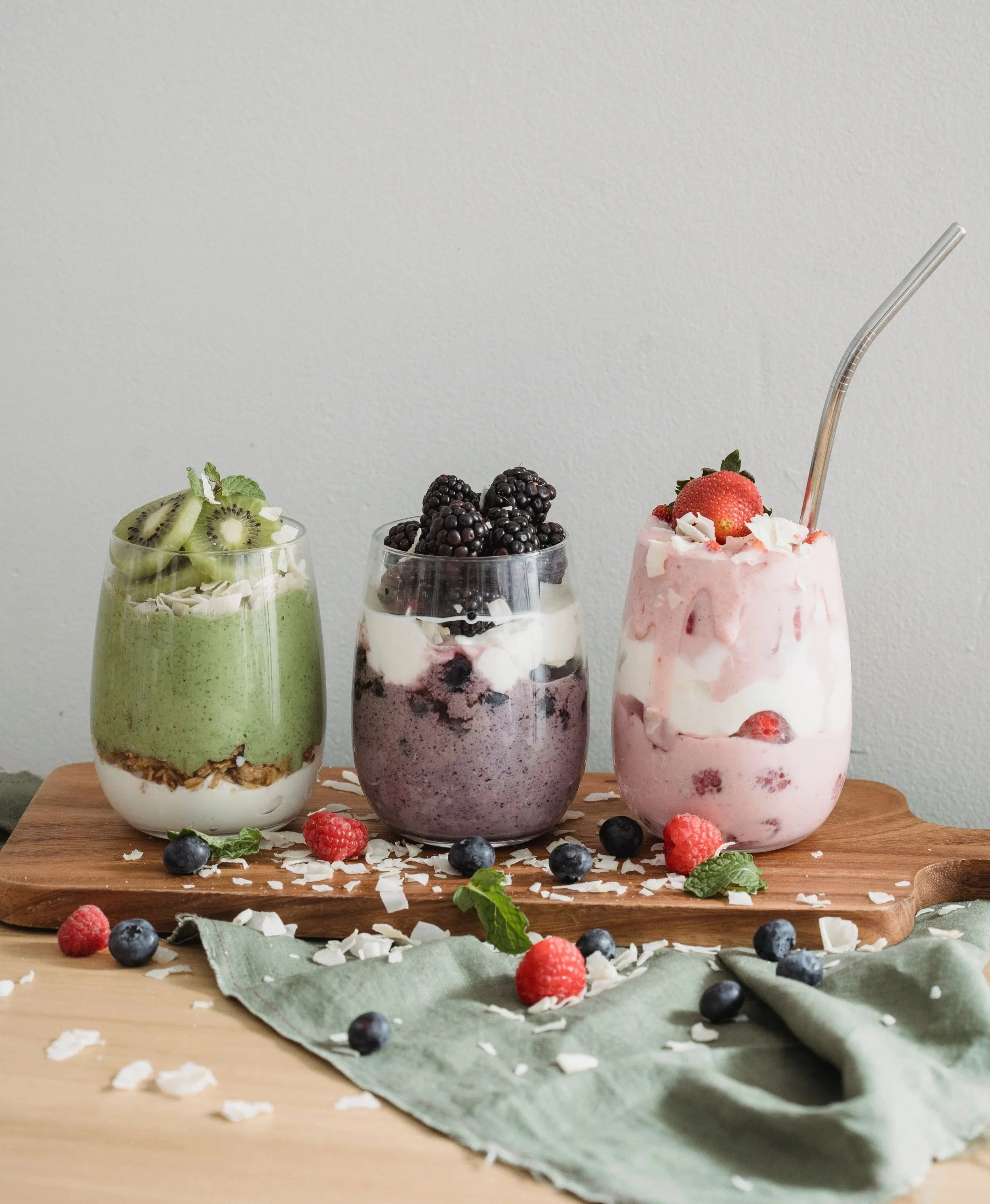
Upgrading your kitchen appliances often brings you face-to-face with one of the most contentious battles in the culinary tech world: Nutribullet versus Ninja. Both brands have systematically reshaped how home cooks approach morning smoothies, meal prep, frozen drinks, and culinary emulsions.
By offering high-powered motors and specialized blade assemblies at accessible price points, both manufacturers have challenged the long-standing dominance of high-end commercial blender giants.
However, selecting between a Nutribullet system and a Ninja high-performance setup involves much more than comparing raw wattage numbers listed on the box. Each brand approaches mechanical engineering, blade geometry, and user experience from entirely different design philosophies.
Nutribullet built its reputation on sleek, high-RPM cyclone extraction designed to turn fibrous greens into silky liquids. Ninja built its empire around aggressive, multi-tiered blade stacks, intelligent automated pulsing programs, and multi-functional kitchen versatility.
To help you decide which brand deserves a permanent spot on your kitchen counter, we have broken down their high-performance offerings across four crucial performance pillars: motor strength and torque transfer, blade longevity and engineering, daily user utility, and long-term mechanical durability.
✦ THE QUICK VERDICT: NUTRIBULLET VS. NINJA
Best for Smoothies & Single-Servings (Nutribullet): Faster, more compact, and pulverizes leafy greens into a silky texture effortlessly.
Best for Versatility & Meal Prep (Ninja): Wins on multi-functionality—handling heavy-duty food processing, dough mixing, and large-batch blending.
The Bottom Line: Choose Nutribullet if your counter space is tight and you live on morning smoothies; choose Ninja if you want an all-in-one kitchen workhorse.
1. Motor Strength and Real-World Torque Transfer
When evaluating high-performance blenders, motor strength sets the ceiling for what your machine can accomplish. However, peak wattage ratings can sometimes be misleading if the internal drive system fails to translate that power efficiently into liquid vortex action.
The Nutribullet High-RPM Vortex Strategy
Nutribullet approaches power through raw rotational velocity. Across their flagship personal and full-sized lines—ranging from 900 watts up to 1400 watts in their high-performance combo units—Nutribullet designs its motors to maintain exceptional revolutions per minute, often exceeding 25,000 RPM under load.
This hyper-fast rotational speed generates a intense cyclonic vortex inside the bullet-shaped or tapered pitcher cavity. Ingredients are continuously pulled straight down into the path of the spinning extraction blade.
For liquid-heavy applications like protein shakes, green smoothies, and creamy salad dressings, this continuous vortex liquefies tough kale stems, blackberry seeds, and frozen banana chunks into a completely homogenous texture with zero gritty residue.
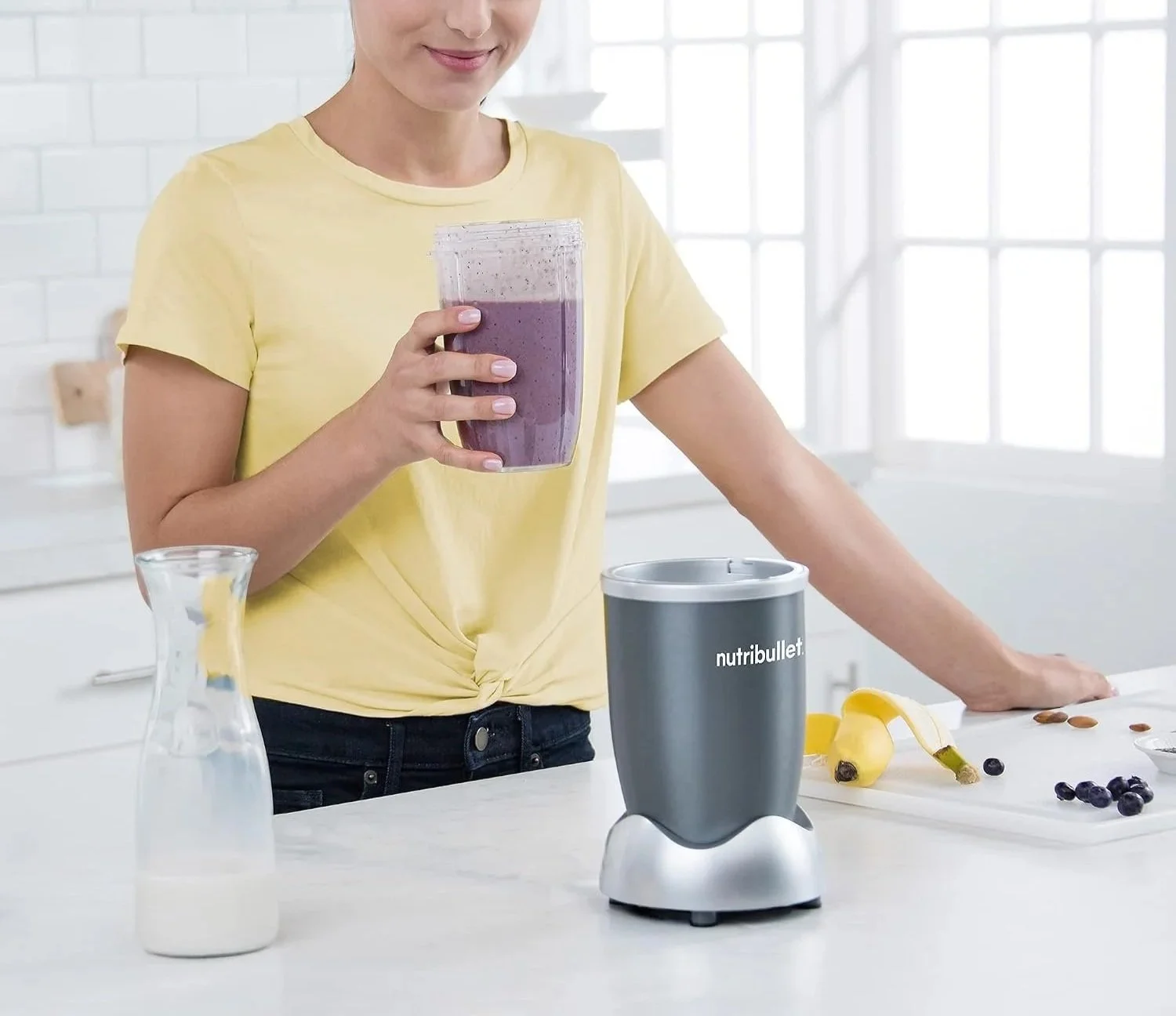
Photo via Nutribullet
The Ninja Peak-Torque and Crushing Power Strategy
Ninja takes a different approach by focusing on peak motor torque and mechanical crushing capability. Ninja’s high-performance line and kitchen systems regularly boast motor bases outputting between 1100 and 1600 peak watts.
Rather than relying purely on liquid vortex circulation to break down food over continuous blending time, Ninja pairs its high-torque motors with automated pulse profiles. This allows Ninja blenders to handle dense, low-moisture challenges with ease.
When it comes to pulverizing solid ice cubes into snow-like shaved ice for frozen cocktails, processing frozen fruits for thick sorbets, or chopping raw root vegetables, Ninja’s high-torque delivery crushes stubborn bulk ingredients faster than almost any competitor in its price bracket.
SHOP THE EDIT


2. Blade Geometry, Longevity, and Maintenance
The blade assembly is the primary workhorse of any blender system. The design, steel quality, and drive coupling of the blade determine not only how smooth your food blends, but how many years the appliance will last before needing replacement parts.
Nutribullet Extraction Blades: Heavy-Duty Stainless Steel
Nutribullet utilizes heavy-gauge, stainless steel extractor blades featuring a distinctive four-pronged or six-pronged layout. Rather than relying on razor-sharp knife edges that dull over time, Nutribullet blades rely on thick, micro-angled edges that smash through cell walls via high-velocity impact.
Because the edges are thick and structural, Nutribullet blades maintain their processing efficiency for years without dulling. The central point of failure in older personal blenders was often the rubber gasket or internal ball bearings housed beneath the blade.
Modern Nutribullet extraction caps feature sealed bearing housings that prevent liquid leakage into the motor base, provided you avoid blending hot liquids in non-vented personal cups or running the motor continuously for over sixty seconds.

Photo via Ninja
Ninja Total Crushing and Hybrid Edge Blades
Ninja made a name for itself with its iconic Total Crushing blade assembly—a tall, removable central shaft lined with multiple pairs of razor-sharp blades stacked at varying heights throughout the pitcher.
This multi-tiered design ensures that ingredients located near the top of a full 72-ounce pitcher are sliced just as quickly as ingredients sitting at the bottom, eliminating the need to stop the machine and push food down with a tamper. However, because these blades rely heavily on sharp edges rather than pure impact vortexes, they demand cautious hand-washing to prevent accidental cuts.
For personal single-serve cups, Ninja uses their Hybrid Edge blade assemblies, which mirror the thick impact-blade style of Nutribullet, providing extended longevity for daily single-serve smoothie prep.
✦ IN THIS GUIDE: We test blending power, noise levels, and cleanup. Redoing your kitchen counters for the new season? Pair this review with our guide on Simple Swaps for an Organic, Stress-Free Kitchen Setup.
3. Daily Utility, Workflow, and Cleanup
An appliance can feature incredible power on paper, but if setting it up or cleaning it is frustrating, it will end up gathering dust inside a kitchen cabinet. Daily utility is where the distinct user personalities of Nutribullet and Ninja become most apparent.
Nutribullet: The Intuitive Single-Serve and Smoothie King
For individuals who want a streamlined, quick morning routine, Nutribullet remains difficult to beat. The workflow is deliberately simple: load your ingredients into the cup, twist on the blade base, place it onto the motor housing, and push down or flip a single switch.
There are no complicated digital menus or multiple buttons to navigate on their classic models. Once blending is complete, you unscrew the blade base, rinse it under running water for ten seconds, screw on a travel lip ring, and walk out the door with your smoothie.
The compact footprint of Nutribullet bases makes them ideal for small kitchens, office breakrooms, or apartments with limited counter space.

Photo via Nutribullet
Ninja: The Multi-Functional Kitchen System
Ninja excels when you require versatility beyond basic liquid smoothies. Many Ninja high-performance models feature intelligent automated blending programs (such as Auto-iQ technology) that utilize pre-programmed combinations of pulsing, pausing, and continuous high-speed blending tuned for specific tasks like smoothie prep, ice crushing, or dough kneading.
Furthermore, Ninja’s system approach often allows a single motor base to swap between a large 72-ounce crushing pitcher, individual single-serve cups, and a dedicated food processing bowl. If your daily kitchen utility includes making salsa, shredding cheese, chopping onions, blending large batches of frozen margaritas for a group, and pureeing thick hummus, Ninja delivers vastly superior multi-appliance utility.
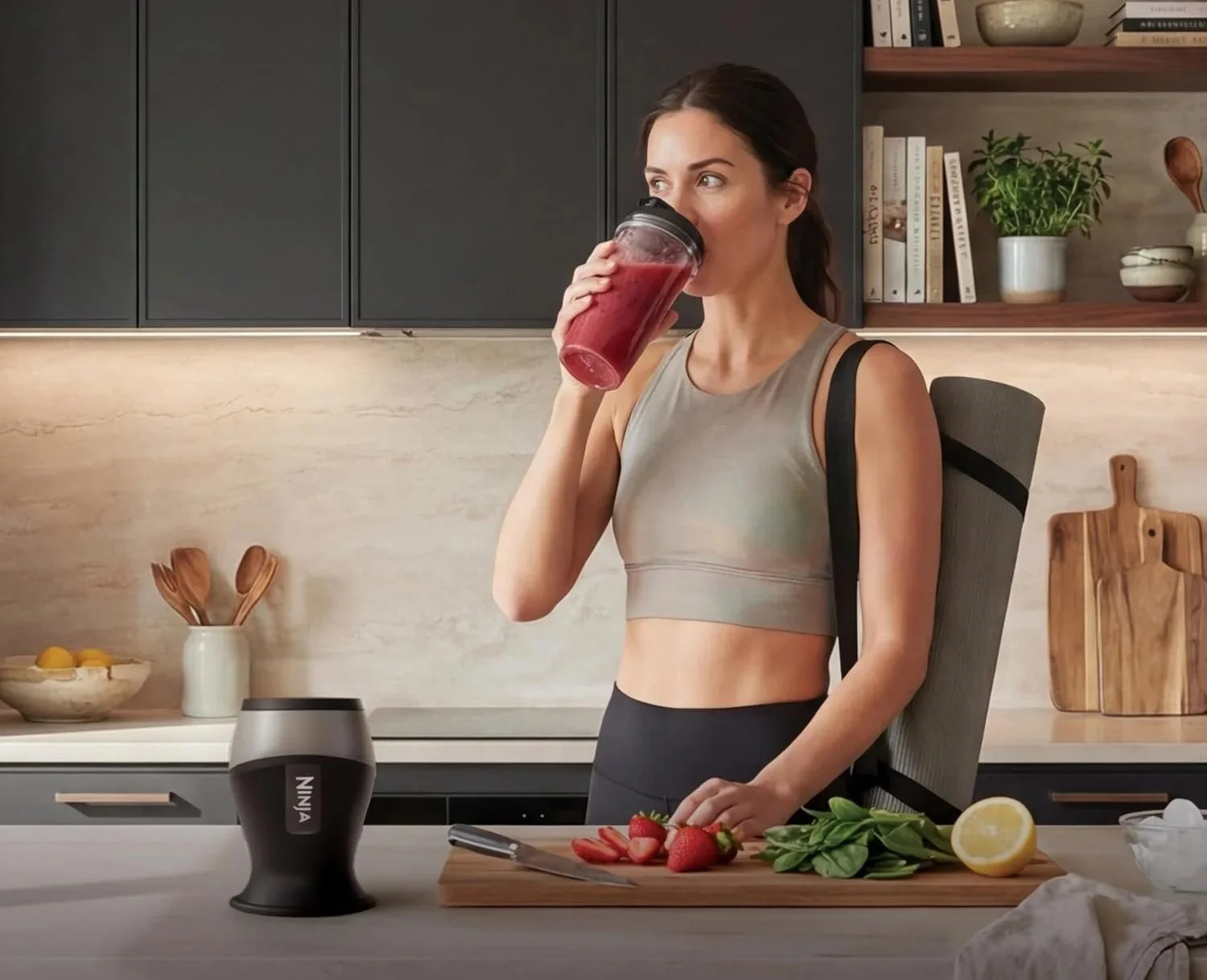
Photo via Ninja
4. Performance Breakdown Across Common Recipes
To clearly illustrate how these motor and blade philosophies translate into real cooking, let us examine how both brands handle four common kitchen tasks:
Leafy Green Smoothies
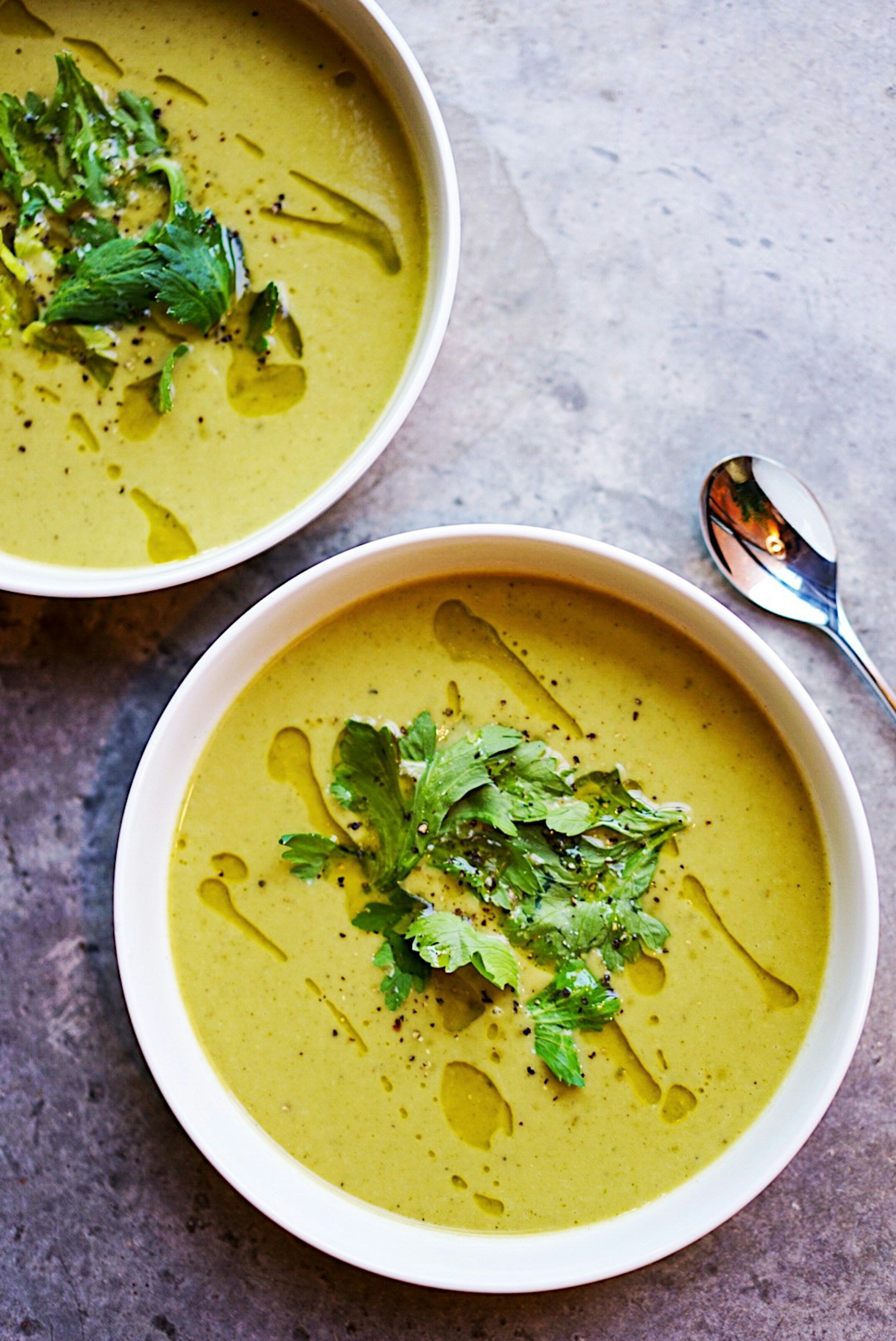
Nutribullet takes the win for green drinks containing raw kale, spinach, celery, and chia seeds. Its high-RPM extraction vortex completely pulverizes tough fibers and tiny seeds into a smooth texture. Ninja performs admirably, but leaves slightly more flecks of fibrous greens suspended in the liquid.
Ice Crushing and Frozen Desserts
Ninja claims victory when dealing with dry ice or frozen fruit sorbets. Its multi-tiered stacked blades smash through solid ice cubes instantaneously without requiring large amounts of added liquid, creating dry, fluffy snow. Nutribullet can struggle to move dry ice effectively without sufficient liquid to initiate its cyclonic vortex.

Photo via Nutribullet
Nut Butters and Thick Dips
Ninja’s high-torque motor and specialized food processing bowls make short work of grinding roasted peanuts or almonds into creamy nut butter. Nutribullet high-performance combo models can manage nut butters, but smaller personal Nutribullet models can overheat when processing thick, sticky paste without added oils.
Warm Soups and Emulsions
Nutribullet’s full-sized pitcher models often feature vented lids specifically engineered to handle hot liquids, allowing steam to escape safely while you puree roasted vegetables into silky soups. Standard Ninja pitchers require careful monitoring, as non-vented locking lids can build up dangerous internal pressure if filled with boiling ingredients.
The Verdict: Which High-Performance Blender Wins?
Choosing between Nutribullet and Ninja ultimately comes down to matching the appliance design to your specific daily eating and cooking habits.
Choose Nutribullet If:
Your primary goal is making fast, ultra-smooth daily drinks, green juices, and protein shakes with minimal cleanup. Nutribullet’s high-speed impact blades and compact vortex design deliver velvety liquid textures with uncompromised ease of use.
Choose Ninja If:
You want a versatile kitchen workstation capable of replacing multiple appliances. Ninja’s high-torque motors, stacked blade designs, intelligent automated preset programs, and batch-friendly capacity make it the superior choice for meal prep, ice crushing, food processing, and family-sized entertaining.
By assessing your counter space, recipe preferences, and desired cleanup routine, both of these high-performance blender brands offer exceptional long-term value for modern home kitchens.
You May Also Like: