What Are the Best Organic Wines? The Ultimate Guide to Clean Pouring
The Rosie Home Edit contains affiliate links. If you make a purchase through these links, we may receive a commission. Thank you for supporting the work we do to curate this space.
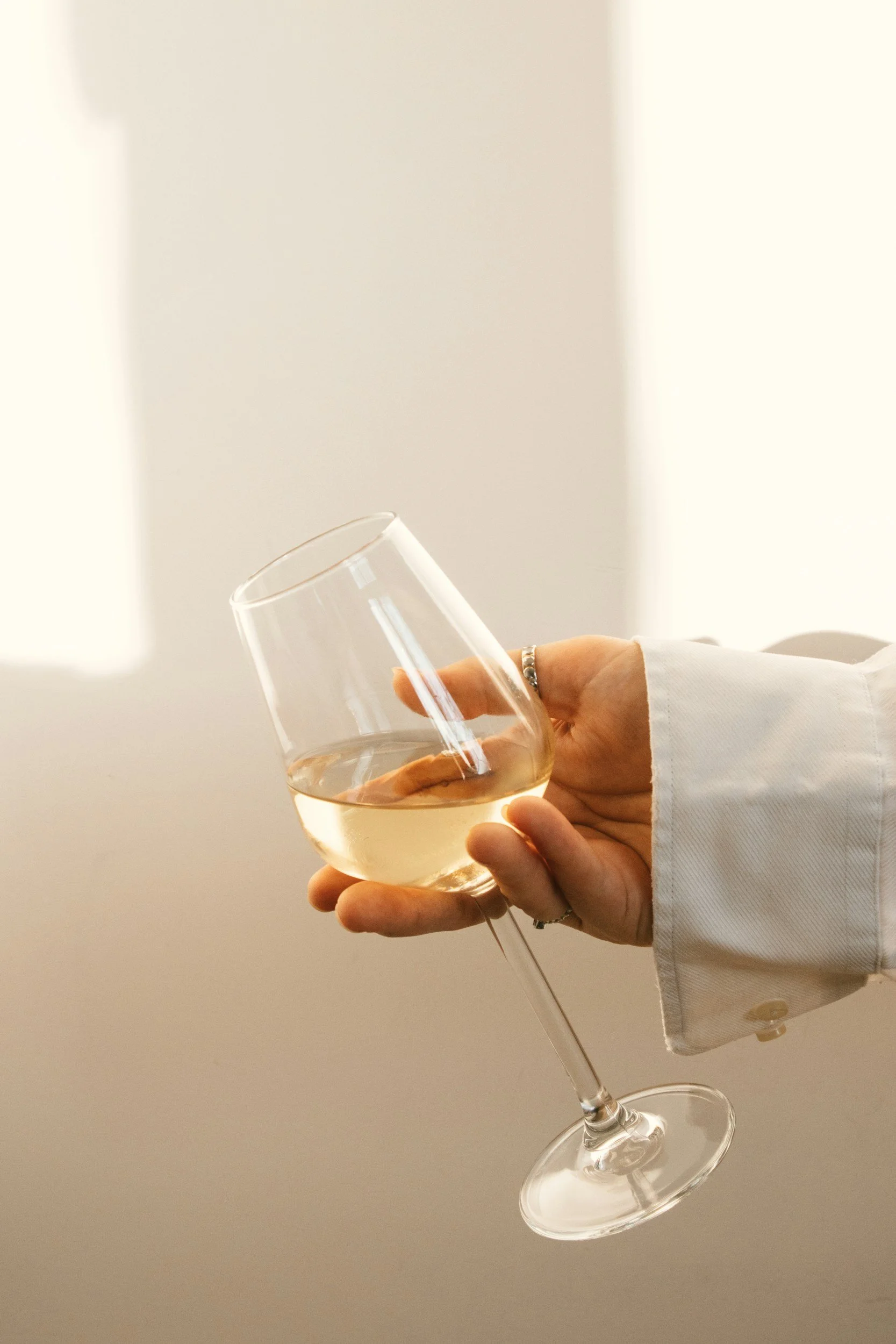
There is a quiet, transformative movement underway across the world of modern viticulture. For generations, wine appreciation centered almost entirely on regional prestige, vintage years, and complex tasting notes. Today, however, a new generation of conscious wine lovers is asking a fundamental question before uncorking a bottle: what, exactly, went into growing these grapes and making this wine?
As the crisp air of late fall settles in and our gatherings shift indoors toward cozy dining tables and roaring fireplaces, our appetite for rich, comforting meals naturally grows. Pairings become essential. Yet, conventional winemaking frequently relies on synthetic pesticides, chemical weed killers, artificial additives, and heavy processing agents that compromise both environmental health and the purity of what lands in your glass.
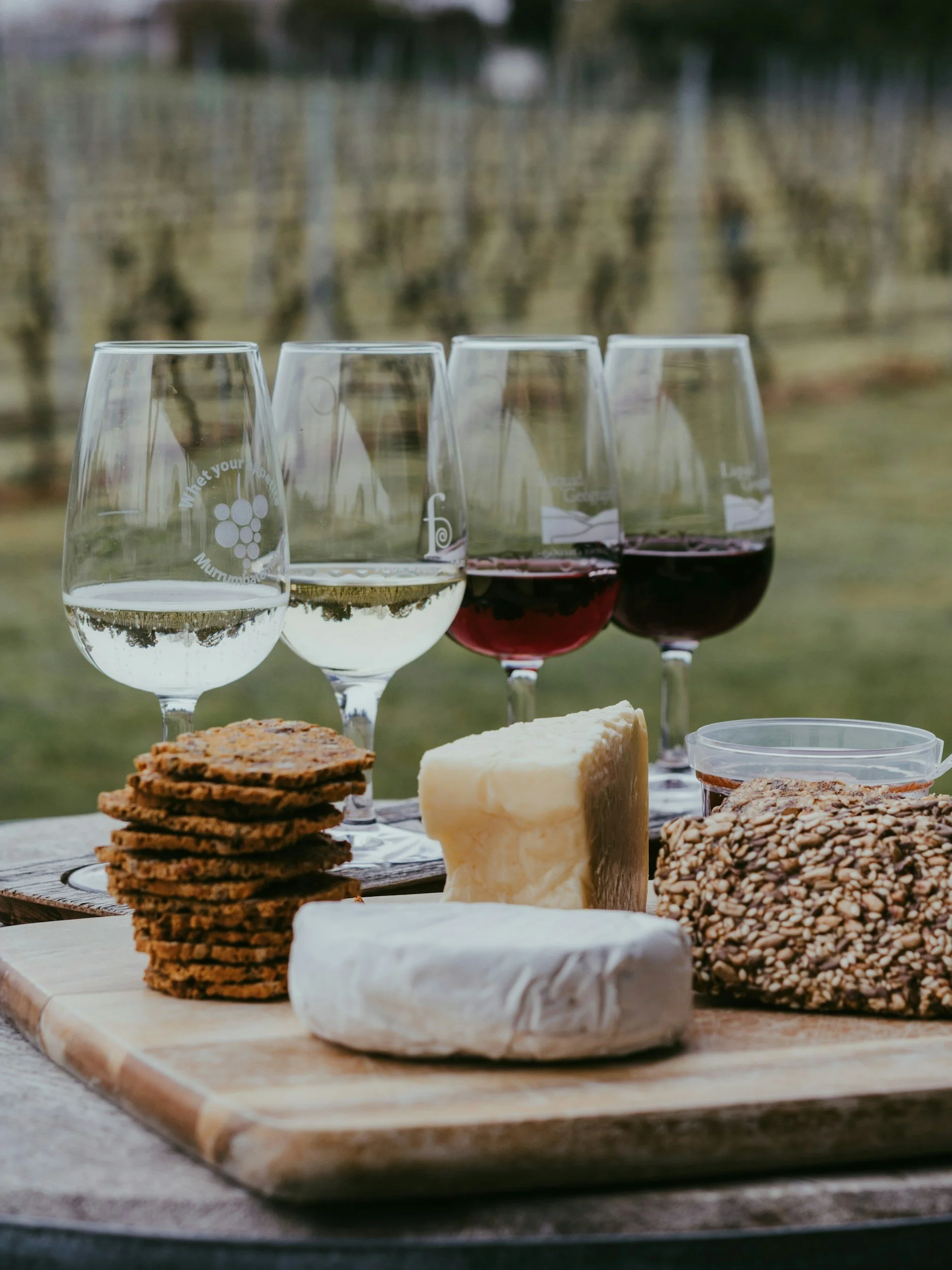
Enter the universe of organic wine. Far from a passing lifestyle trend, organic and biodynamic winemaking represents a return to natural, earth-first agricultural traditions. By prioritizing healthy soil, biodiversity, transparent labeling, and minimal intervention in the cellar, organic winemakers are crafting some of the most vibrant, expressive, and delicious bottles available today.
Whether you are looking to curate a clean wine cellar, find the perfect sustainable host gift for an upcoming winter dinner party, or simply enjoy a glass of crisp white wine without synthetic additives, explore this comprehensive guide to the best organic wines, featuring Cameron Diaz's groundbreaking brand, Avaline, alongside top global vineyards.
Understanding Organic Wine: What Makes a Bottle Clean?
Before filling your glass, it helps to understand what sets organic wine apart from conventional bottles on store shelves. In standard viticulture, grape growers routinely use synthetic pesticides, chemical fertilizers, and systemic fungicides to maximize yield and protect against mold or insects. In the cellar, commercial winemakers are legally permitted to use dozens of undisclosed additives—including artificial color concentrates, added sugars, synthetic oak flavorings, and animal-derived clarifying agents like egg whites or fish bladders.
Organic winemaking completely rewrites this formula by eliminating synthetic shortcuts from soil to bottle.
What are the defining pillars of authentic organic wine?
SHOP THE EDIT
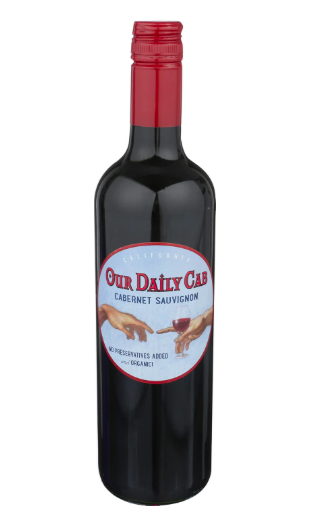
Certified Organic Grapes
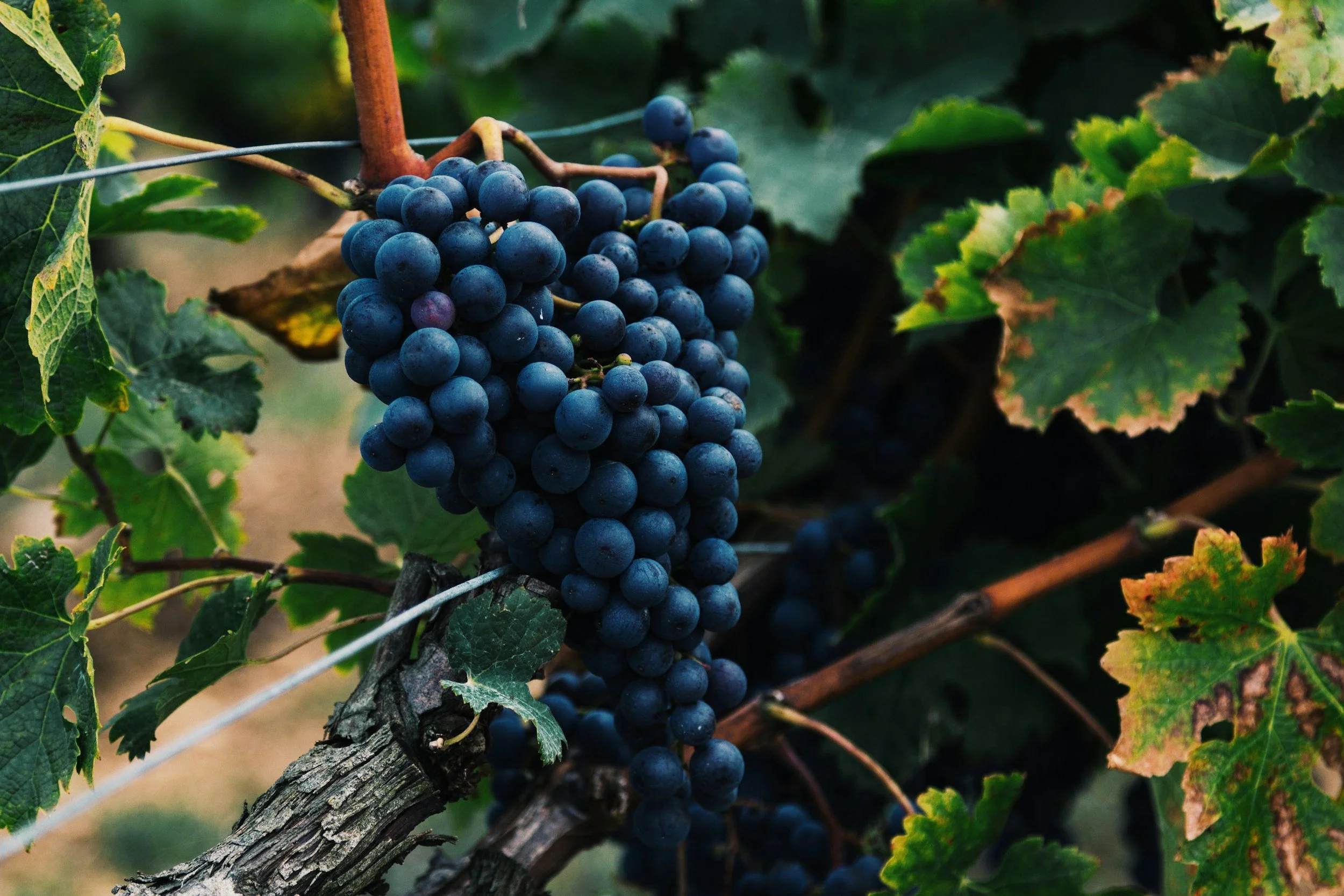
At its core, organic wine begins in the vineyard. To earn organic certification, grapes must be cultivated without synthetic chemical pesticides, herbicides, or synthetic fertilizers. Farmers rely instead on natural compost, cover crops like clover and vetch to nourish the soil, and beneficial insects to control pests naturally. This yields healthier soil ecosystems and grapes that reflect the true terroir of their region.
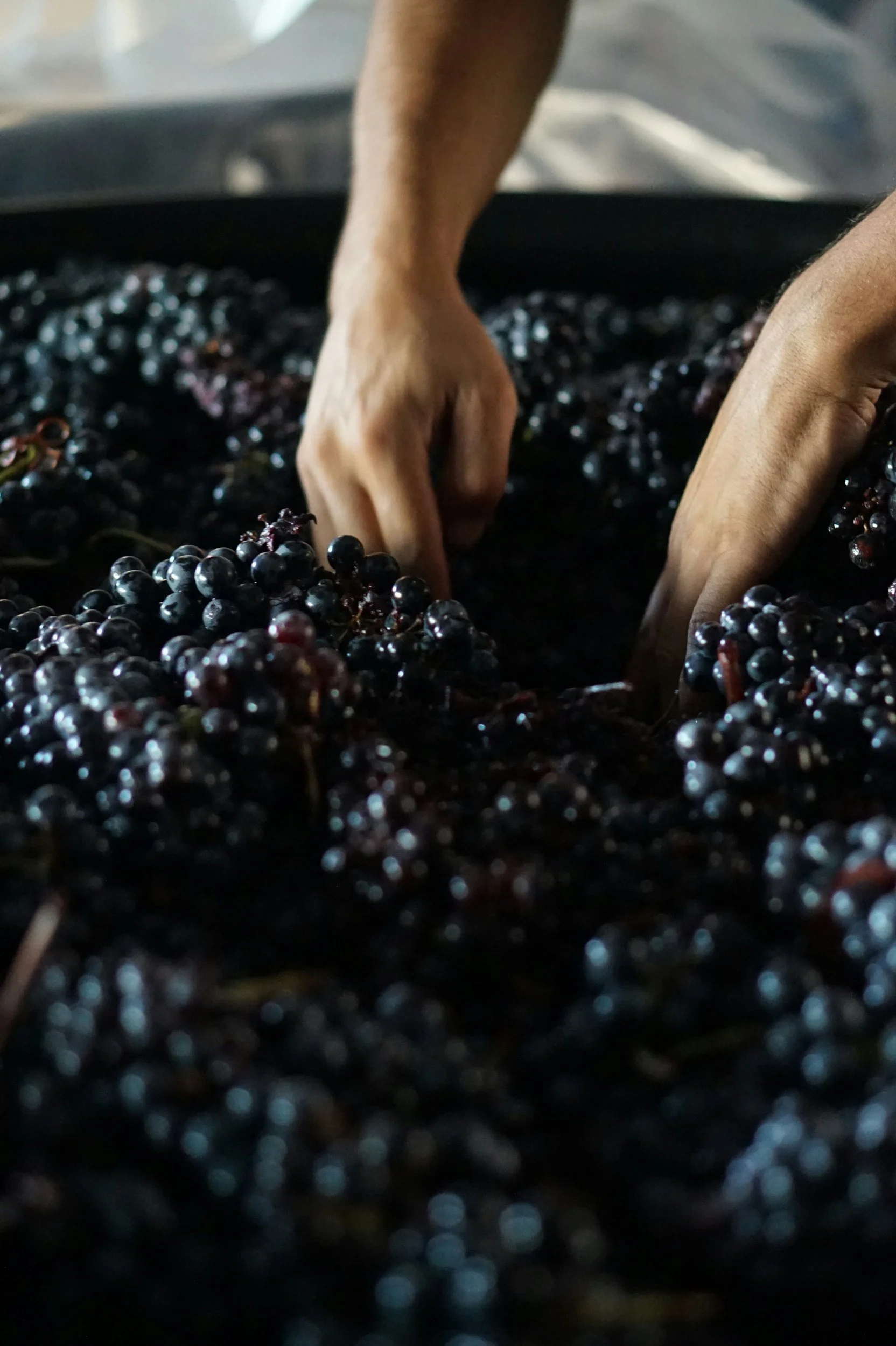
Minimal Additives and Processing
In organic winemaking, cellar intervention is kept to an absolute minimum. Organic producers avoid artificial colorings, synthetic flavoring agents, and excessive sugar additions. Furthermore, while conventional wines can contain up to 350 parts per million of sulfites as preservatives, certified organic wines strictly cap added sulfites at significantly lower levels, allowing the natural characteristics of the fruit to shine.
Vegan-Friendly Fining Practices
Many wine drinkers are surprised to learn that conventional wine is often clarified using animal products during a process known as fining. Organic and clean wine producers prioritize natural settling or use plant-based clarifying agents like bentonite clay or pea protein, ensuring every bottle aligns with a vegan and planet-conscious lifestyle.
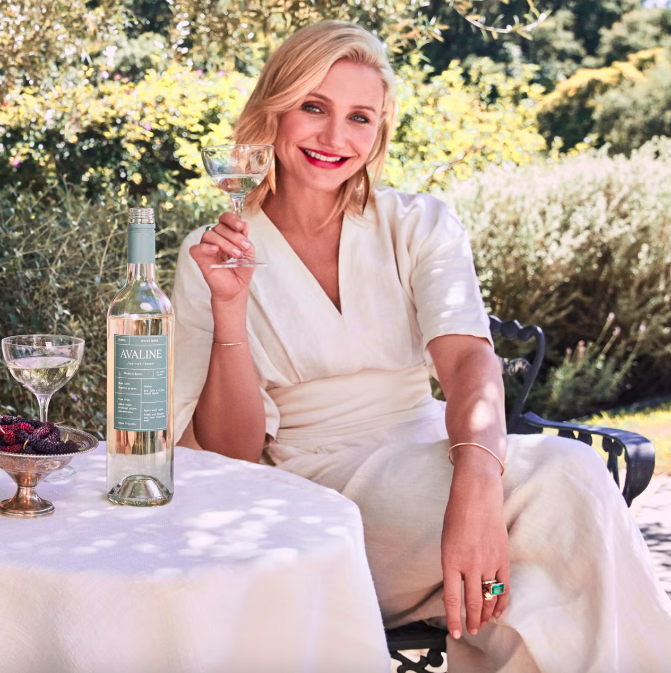
Image via Avaline
The Celebrity Pioneer: Cameron Diaz and the Rise of Avaline
When Hollywood actress Cameron Diaz and entrepreneur Katherine Power launched Avaline in 2020, they were not simply putting a famous name on a wine label. They were seeking answers to a personal wellness question that resonated with millions of conscious consumers: why can we easily find organic labels on our produce, meats, and beauty products, but struggle to find transparent ingredient lists on our wine bottles?
After discovering that traditional winemaking allows dozens of undisclosed additives without consumer disclosure, Diaz and Power set out to create a brand defined by radical transparency, organic farming, and accessible luxury. Today, Avaline stands as one of the most successful and recognized clean wine brands on the market, proving that healthy choices do not require sacrificing flavor, sophistication, or accessibility.
What makes Avaline a standout choice in the organic wine space?
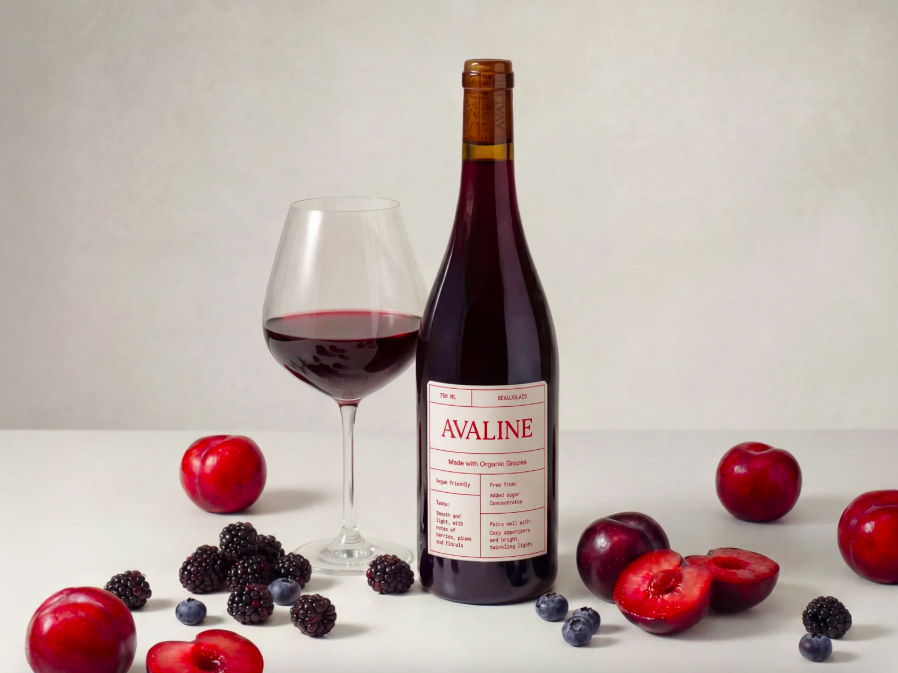
Image via Avaline
Radical Ingredient Transparency
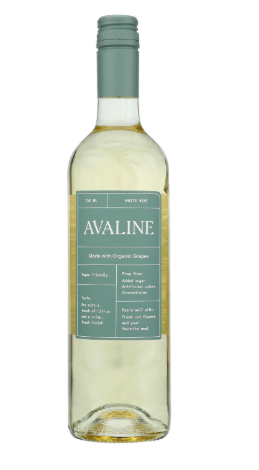
Avaline was among the first wine brands to proudly list every ingredient, nutritional fact, and sugar content metric directly on the back of the bottle. Every bottle of Avaline is crafted from 100 percent certified organic grapes, contains zero added sugars, is completely vegan, and stays free from synthetic colors or heavy concentrates.
Standout Avaline Vintages to Try
Avaline White: Crafted from organic Spanish grapes, this crisp, dry white wine features bright notes of citrus, green apple, and a refreshing mineral finish. It serves as an extraordinary aperitif or pairing for fresh seafood and light pasta dishes.
Avaline Red Blend: A smooth, medium-bodied red wine made from organic grapes grown in France and Spain. Bursting with notes of ripe dark berries, subtle spice, and velvet tannins, it pairs beautifully with slow-roasted fall vegetables, hearty risottos, and cozy winter stews.
Avaline Rosé: Light, airy, and delicately pink, this French-style rosé offers notes of fresh melon, wild strawberries, and crisp acidity. It brings a touch of sunshine to chilly evenings and works effortlessly alongside grazing boards and mild cheeses.
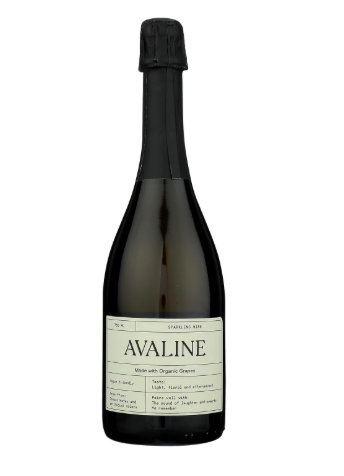
Avaline Sparkling: A celebratory, effervescent dry sparkling wine produced in Spain. With tiny, persistent bubbles and hints of stone fruit and brioche, it offers a sophisticated, additive-free toast for holiday celebrations and New Year gatherings.
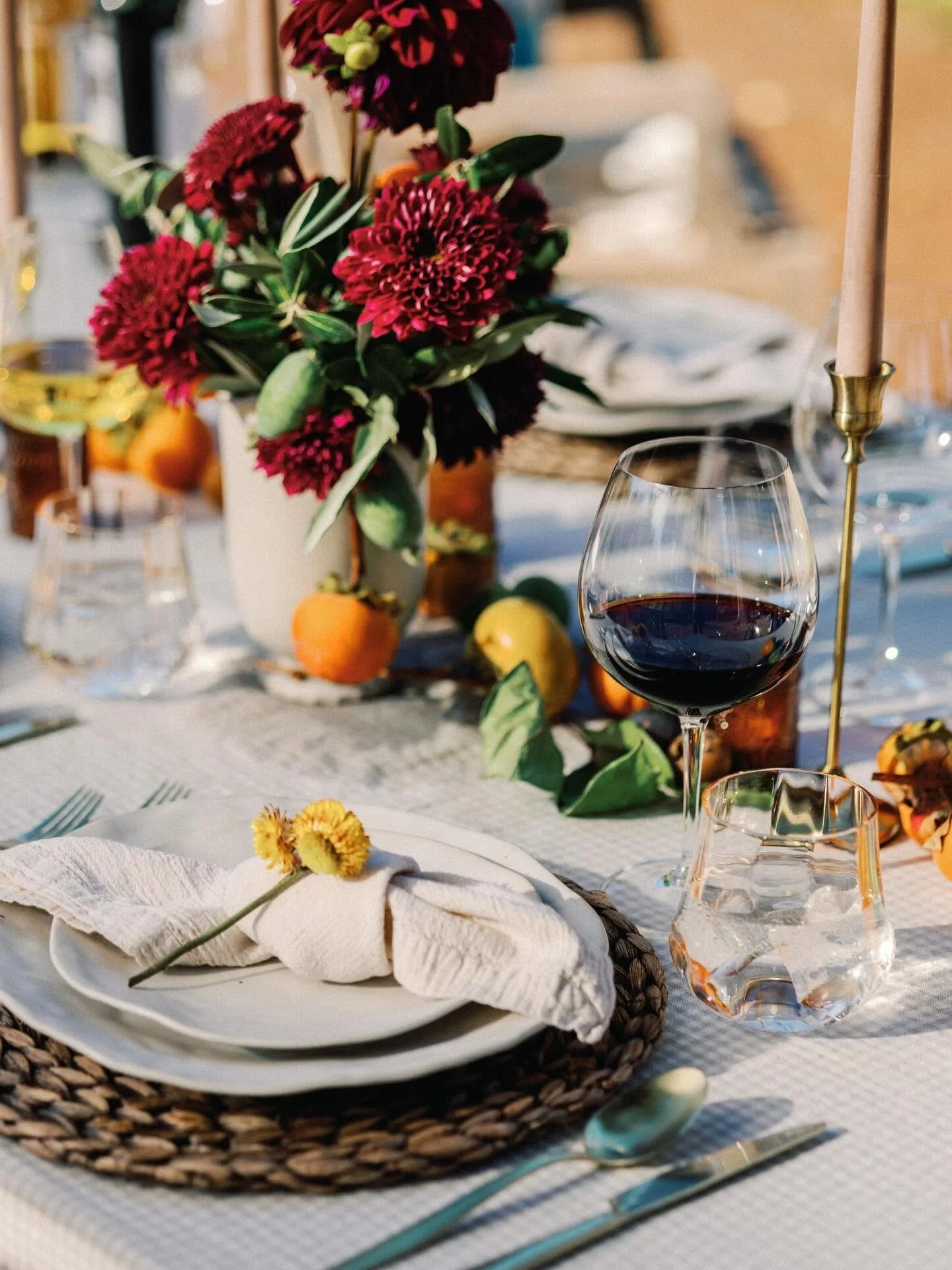
Image via Bonterra Organic Estate
Global Masters of Organic and Biodynamic Viticulture
While Avaline has brought clean wine into mainstream household conversation, several iconic global wineries have spent decades perfecting organic and biodynamic winemaking. Exploring these historic vineyards opens up a world of complex, terroir-driven flavors for every palate.
Consider these top-tier organic wine producers for your next tasting or dinner party:
Bonterra Organic Estates (Mendocino County, California)
Long before organic wine became fashionable, California's Bonterra Organic Estates committed to 100 percent organic and regenerative farming practices in the late 1980s. Nestled in Mendocino County, Bonterra treats their vineyards as living ecosystems, utilizing sheep for weed management and encouraging native wildlife to flourish around the vines.
Highlight Bottle: Bonterra Organic Cabernet Sauvignon. Rich, structured, and deeply comforting, this California red offers layered aromas of black cherry, warm vanilla, and toasted oak. It is an ideal companion for grilled meats, roasted mushrooms, and rich winter fare.
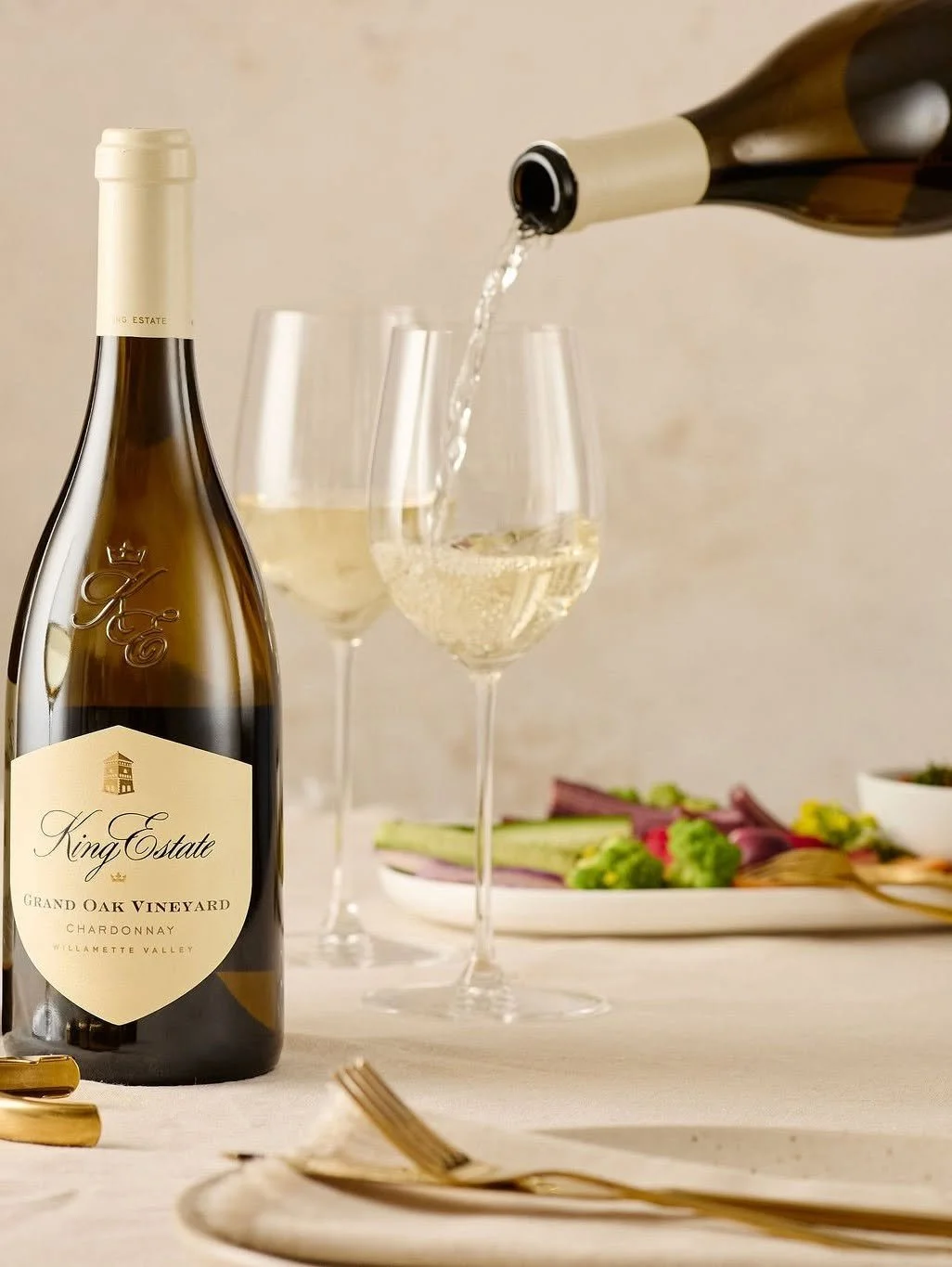
Image via King Estate Winery
King Estate Winery (Willamette Valley, Oregon)
Recognized as the largest certified biodynamic vineyard in North America, King Estate in Oregon's Willamette Valley represents the pinnacle of holistic farming. Biodynamic farming takes organic principles a step further, treating the entire farm as a self-sustaining organism guided by natural cosmic and seasonal cycles.
Highlight Bottle: King Estate Organic Pinot Gris. Bright, complex, and beautifully balanced, this estate-grown white wine features vibrant notes of pear, white peach, and fresh lemon blossom with a long, clean finish.
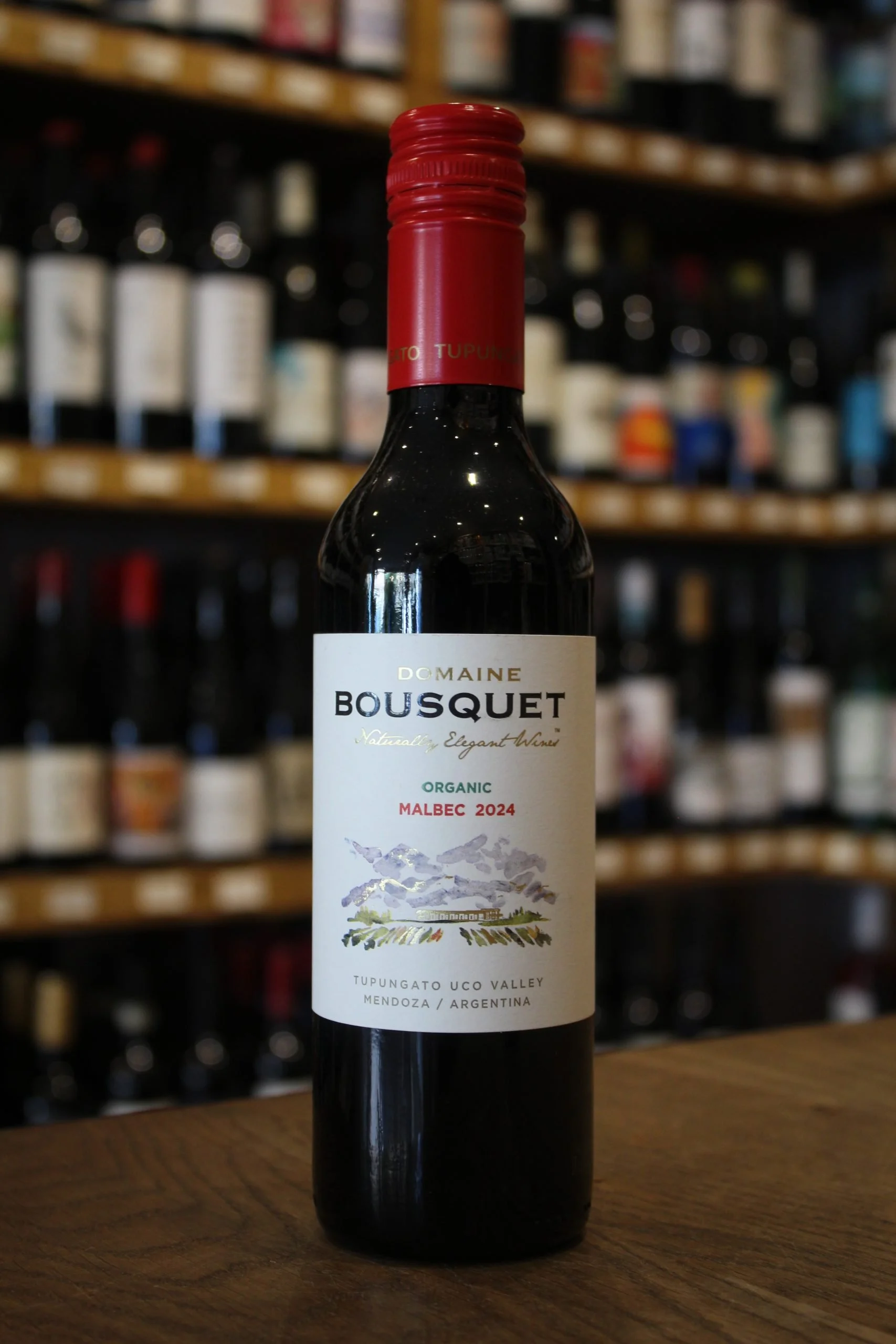
Image via Domaine Bousquet
Domaine Bousquet (Uco Valley, Mendoza, Argentina)
High in the high-altitude foothills of the Andes Mountains, Domaine Bousquet creates exceptional organic wines benefiting from intense sunlight, cool mountain breezes, and pristine glacier meltwater. The naturally dry, cool climate allows the winery to farm organically with virtually zero need for pest intervention.
Highlight Bottle: Domaine Bousquet Reserve Organic Malbec. Deep violet in color, this lush Argentine red delivers bold blackberry, plum, and cocoa flavors paired with silky tannins and balanced acidity. It provides exceptional value and rich flavor for cold-weather hosting.
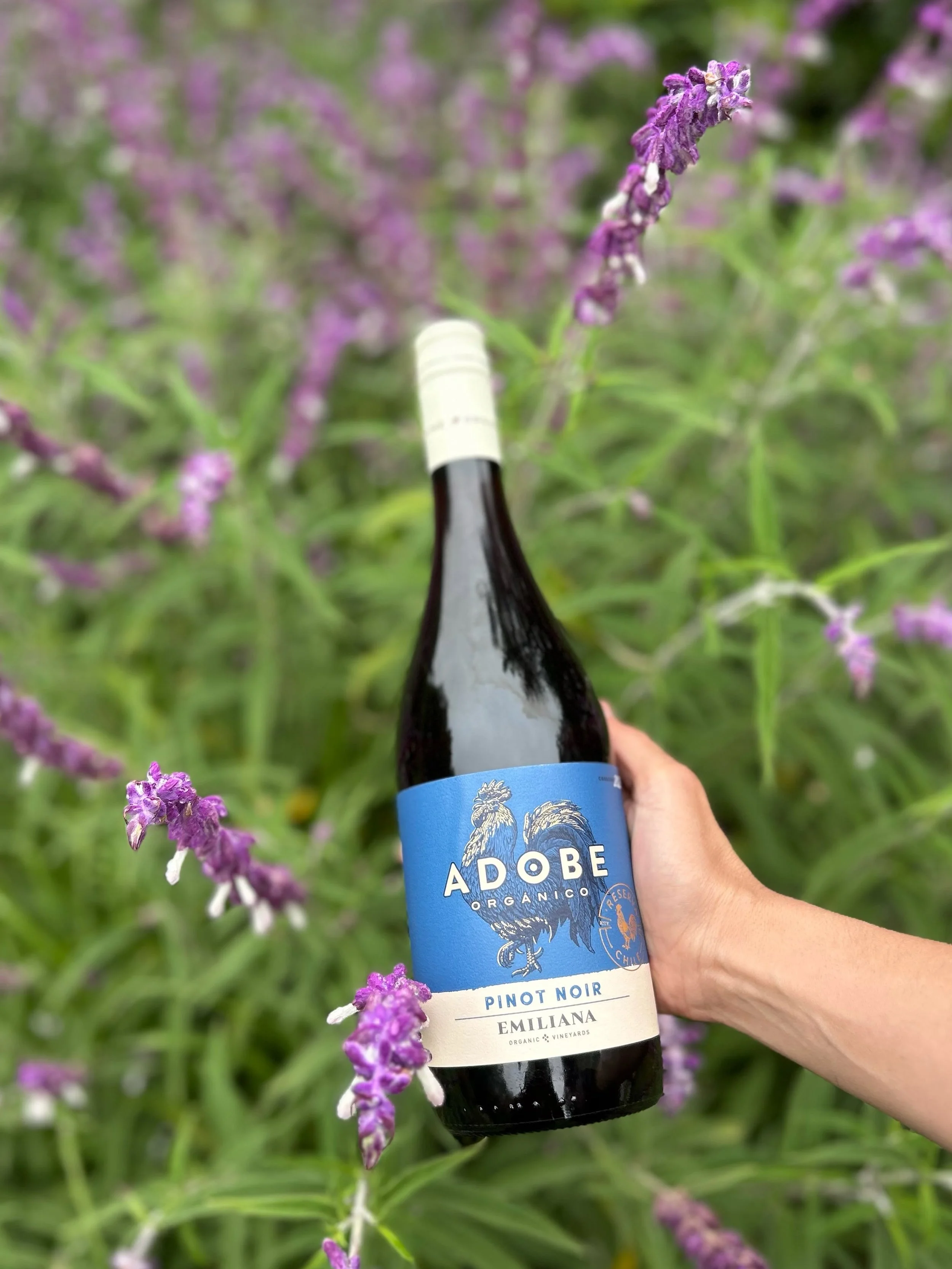
Image via Emiliana Organic Vineyards
Emiliana Organic Vineyards (Colchagua Valley, Chile)
As one of South America's premier organic and biodynamic producers, Emiliana manages thousands of acres of pristine Chilean vineyards without a single chemical pesticide or synthetic input. Their commitment to biodiversity includes housing chickens, geese, and alpaca within the vineyards to nourish the soil naturally.
Highlight Bottle: Emiliana Coyam Red Blend. A world-class, complex blend of Syrah, Carmenère, Cabernet Sauvignon, and Mourvèdre. It offers intense aromas of dark cherries, black pepper, cedar, and smoky earth, making it a showstopping centerpiece for fine dining.
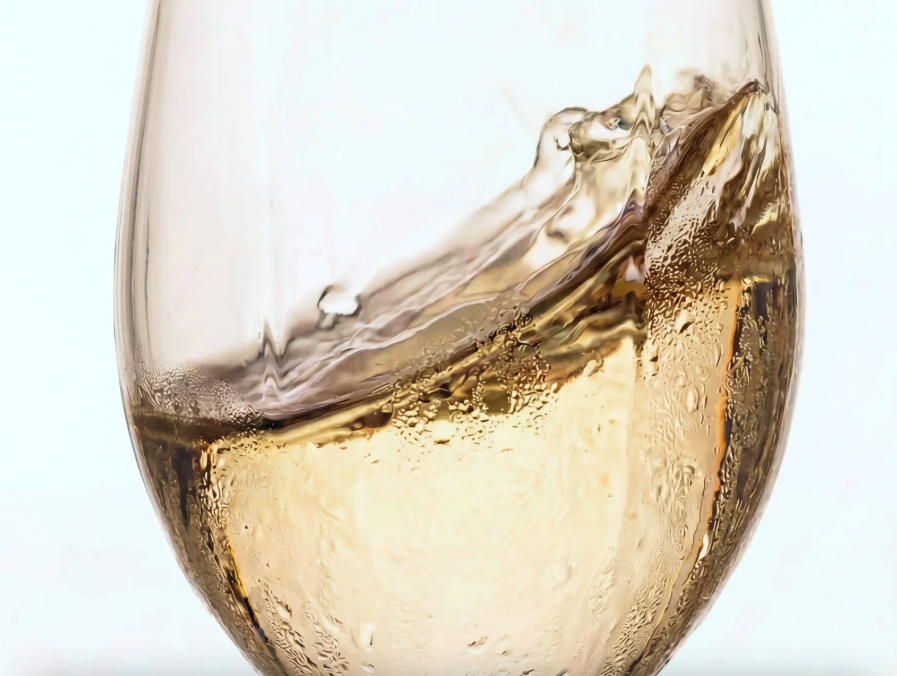
How to Store and Serve Organic Wine for Maximum Flavor
Because organic wines contain minimal preservatives and lower levels of added sulfites, proper storage and handling ensure every bottle tastes exactly as the winemaker intended.
Follow these simple, sommelier-approved practices to protect your organic wine collection:
Maintain Consistent Temperature: Store your organic bottles in a cool, dark location away from direct sunlight and fluctuating temperatures. The ideal storage temperature sits between 52 and 58 degrees Fahrenheit.
Serve at the Proper Temperature: White and rosé organic wines taste best chilled to roughly 45 to 50 degrees Fahrenheit to preserve their bright acidity. Red organic wines should be served slightly cooler than room temperature, around 60 to 65 degrees, to highlight their delicate fruit aromas without letting alcohol warmth overpower the palate.
Enjoy Opened Bottles Promptly: Because organic wines lack heavy chemical preservatives, opened bottles oxidize slightly faster than conventional wines. Re-cork opened bottles tightly, store them in the refrigerator, and enjoy white wines within three days and red wines within three to four days.

Image via Avaline
Toasting to a Cleaner, More Sustainable Future
Choosing organic wine is far more than a simple beverage choice; it is an active vote for healthier soil, cleaner waterways, thriving ecosystems, and conscious consumption. From modern, transparent brands like Cameron Diaz's Avaline to historic biodynamic estates in Oregon and South America, the world of clean wine offers extraordinary quality and diversity for every occasion.
As you gather around the dinner table with friends and family this fall and winter season, pouring a clean, organically farmed wine allows you to celebrate life's moments with purity, warmth, and quiet luxury.
Which exceptional organic bottle—whether a crisp Avaline White or a rich Mendocino Cabernet—will you be uncorking for your next gathering?
The Minimalist Table Setting: How to Set a Simple, Elegant Dinner Table
The Hostess Edit: How to Assemble a High-End Charcuterie Board
The White Company Table Decor: Neutral Table Linens and Candle Accessories for Festive Dinners