The Minimalist Table Setting: How to Set a Simple, Elegant Dinner Table
The Rosie Home Edit contains affiliate links. If you make a purchase through these links, we may receive a commission. Thank you for supporting the work we do to curate this space.
Hosting an intimate gathering at home often comes with an invisible, self-imposed wave of unnecessary pressure. We spend days stressing over complex recipes, dusting off formal china we rarely use, worrying about extravagant floral arrangements, and fussing over rigid layouts.
Somewhere in the middle of this frantic preparation, the true heart of gathering is completely lost. Hospitality isn’t about showcasing an unobtainable standard of perfection; it is about creating a soft, welcoming landing pad for human connection.
If you want to welcome loved ones into your space without the crushing weight of hosting overwhelm, the secret lies in mastering the art of the minimalist tablescape. By intentionally editing out the visual noise and clutter, you can create a beautiful, stripped-back table setting that feels deeply sophisticated, highly curated, and yet effortlessly relaxed.
A minimalist table tells your guests that their presence is valued, the food is honored, and the environment is safe enough for them to truly let their guard down.
The Philosophy of Minimalist Entertaining
To design an effective minimalist tablescape, we must first change how we think about decor. Traditional entertaining often operates on a philosophy of abundance, more flowers, more crystal, more layers, more everything. Minimalist entertaining, conversely, is built entirely on the concept of curation.
Every single item placed on the table must earn its right to be there by serving a dual purpose: it must be highly functional, and it must contribute to the overarching tactile experience of the meal.
When you strip away the excess, you shift the focus of the room. Instead of your guests feeling intimidated by a stiff, formal museum environment, they are greeted by a grounded space that breathes. A minimalist table relies on the subtle, quiet interplay of raw textures, natural lighting, and organic shapes. It values the negative space, the empty areas of the table just as much as the objects themselves.
This creates physical and visual breathing room, allowing the conversation to flow organically across the table without guests having to peer around oversized centerpieces or dodge cluttered glassware.
SHOP THE EDIT
Step 1: Laying a Grounded Foundation
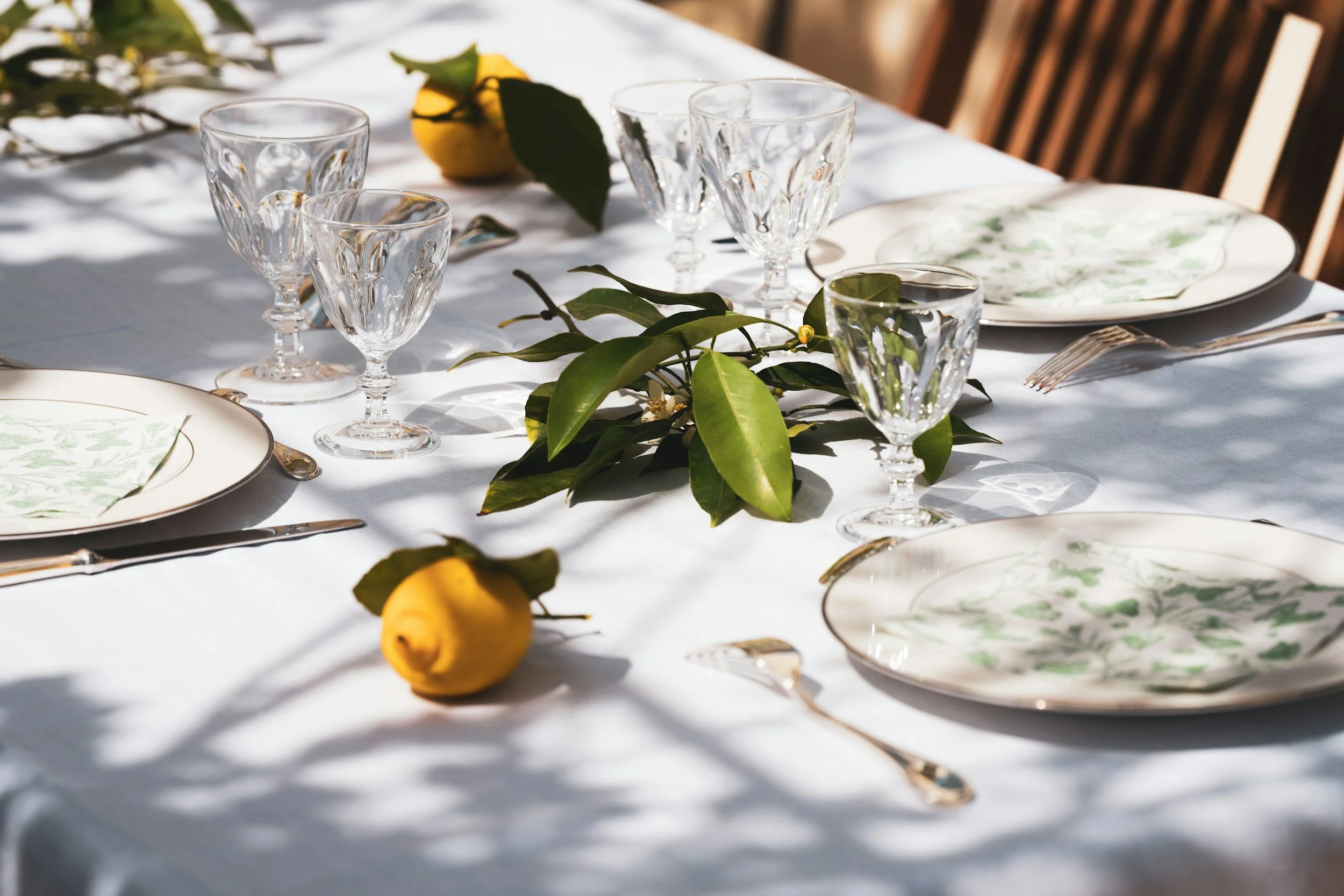
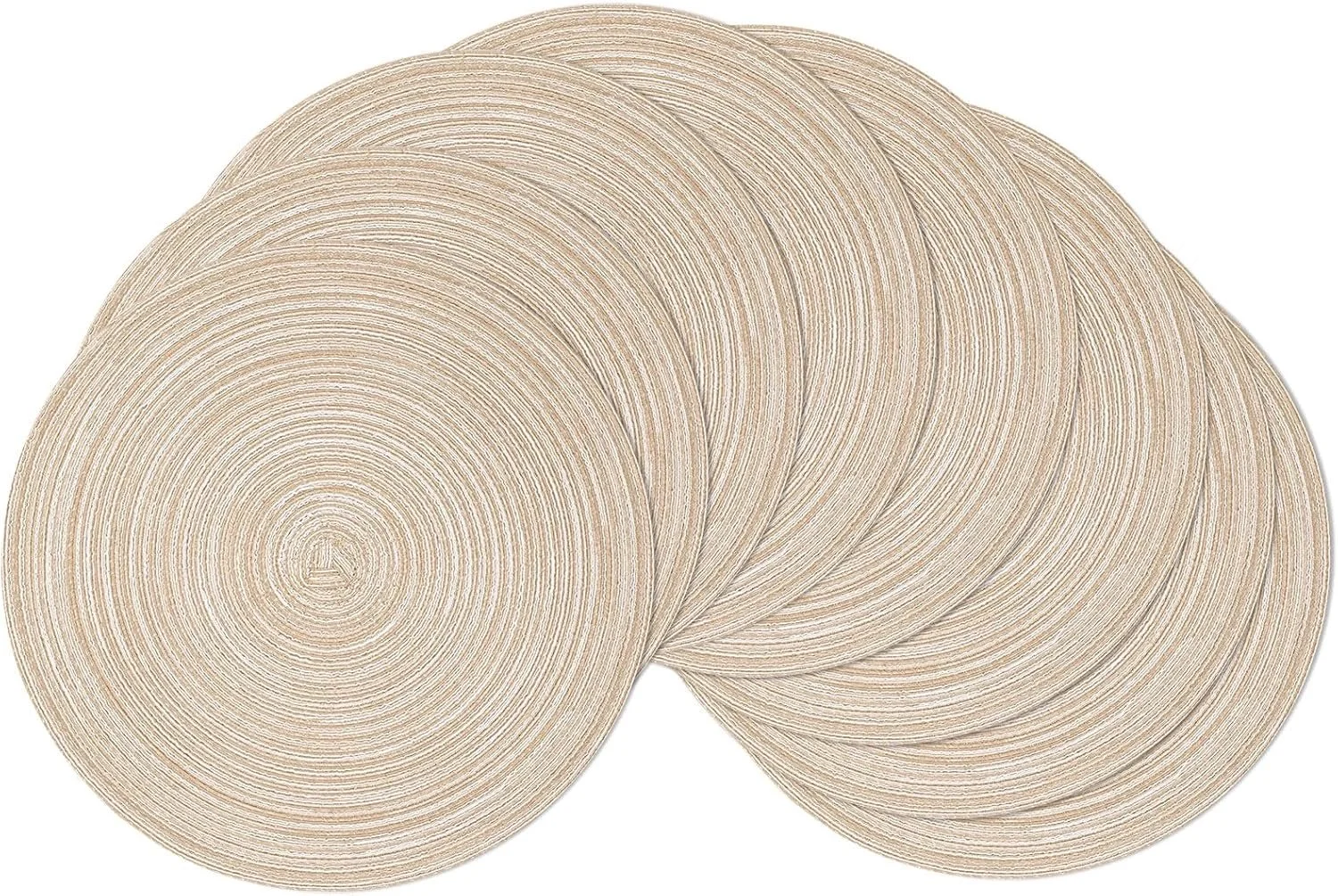
Every beautiful table design begins with a strong, intentional base. In formal styling, this usually involves a heavily ironed, bright white tablecloth that drapes rigidly to the floor. For a modern, organic minimalist aesthetic, we want to step away from that stiffness and embrace elements that feel tactile and real.
If you are fortunate enough to have a beautiful wooden or concrete dining table, the best design choice you can make is to leave it completely bare. The natural grain of the wood or the subtle patina of concrete introduces an instant, effortless warmth and honesty to the room. It acts as an organic backdrop that grounds the entire evening.
However, if you want to soften the hard lines of your table or introduce a layer of cozy texture, a simple linen runner is the perfect solution. Opt for high-quality, long-staple European flax linen in a soft, earthy neutral tone, think oatmeal, warm cream, soft charcoal, or a muted clay. The secret here is to completely skip the iron or steamer.
The natural, gentle wrinkles of raw linen add a relaxed, lived-in luxury that a perfectly pressed cloth can never replicate. Let the runner cascade gently over the ends of the table, creating a sense of movement and ease.
Step 2: Prioritizing Texture Over Clutter in Centerpieces
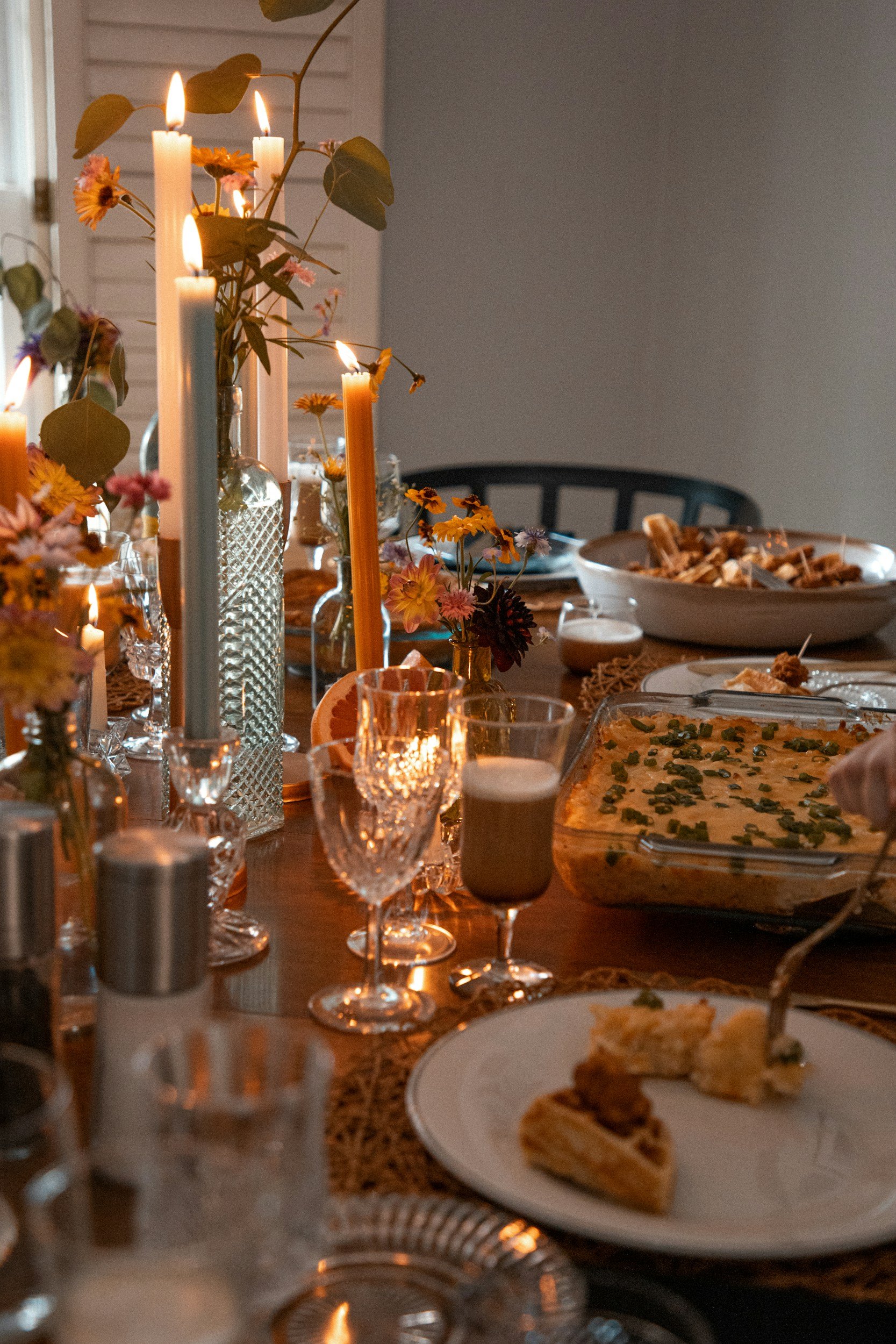
Once your foundation is laid, it is time to think about the centerpiece. This is the exact area where most hosts over-decorate, filling the middle of the table with massive floral arrangements, scattering excessive faux gemstones, or lighting dozens of clashing scented candles. A minimalist centerpiece requires restraint. The goal is to bring a touch of the outdoors inside without overwhelming the senses.
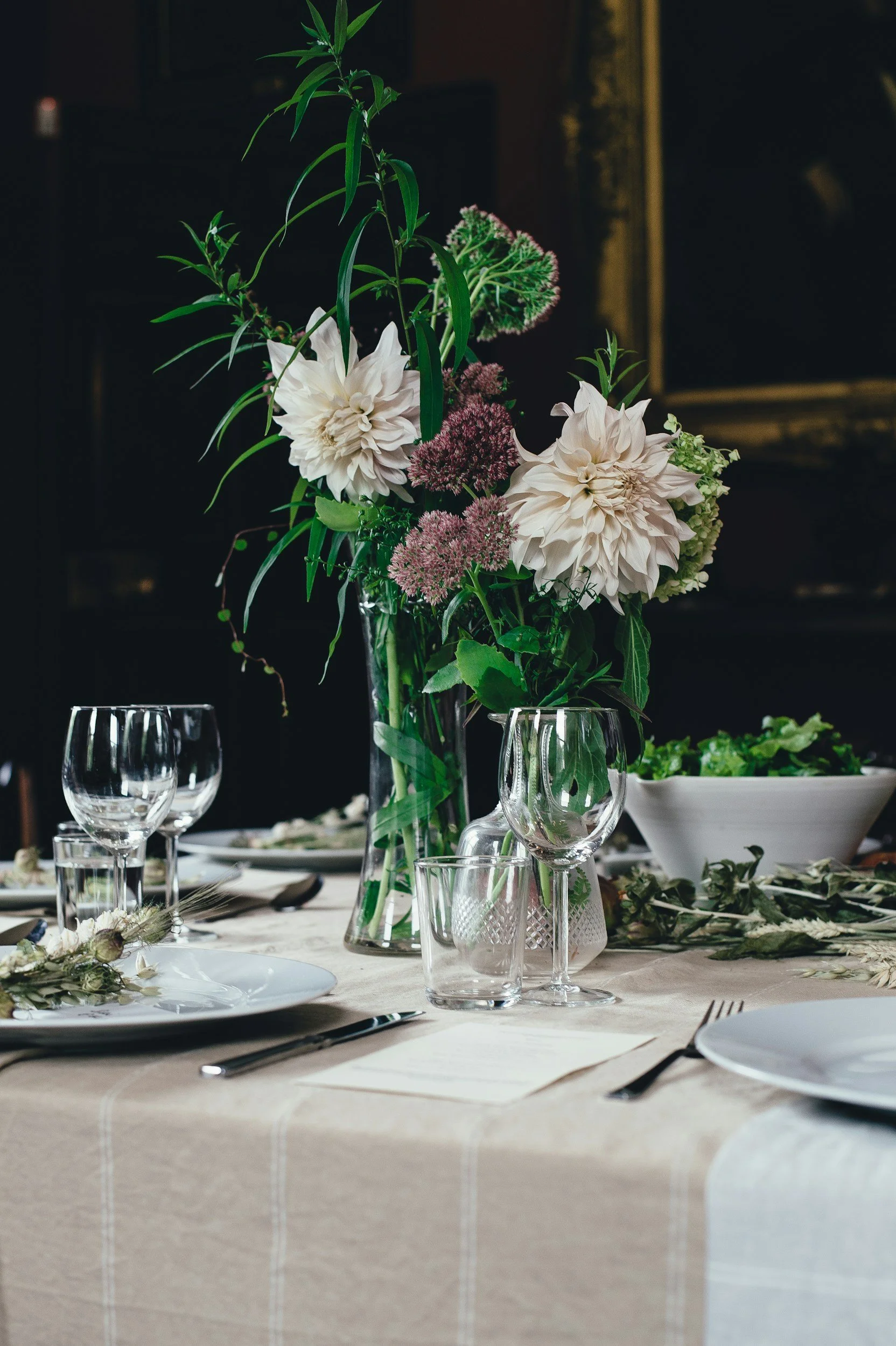
Instead of a dense, tightly packed florist delivery, opt for a few stoneware or matte ceramic vases in varying heights. Look for vessels with organic, slightly imperfect silhouettes and rough, textured finishes. Fill these vases sparingly.
A few single stems of silver dollar eucalyptus, dried bunny tails, structural monstera leaves, or fresh olive branches pruned directly from your backyard will create an incredibly striking, elegant look. These botanical elements introduce life, color, and movement to the table while remaining airy enough to keep sightlines perfectly open.
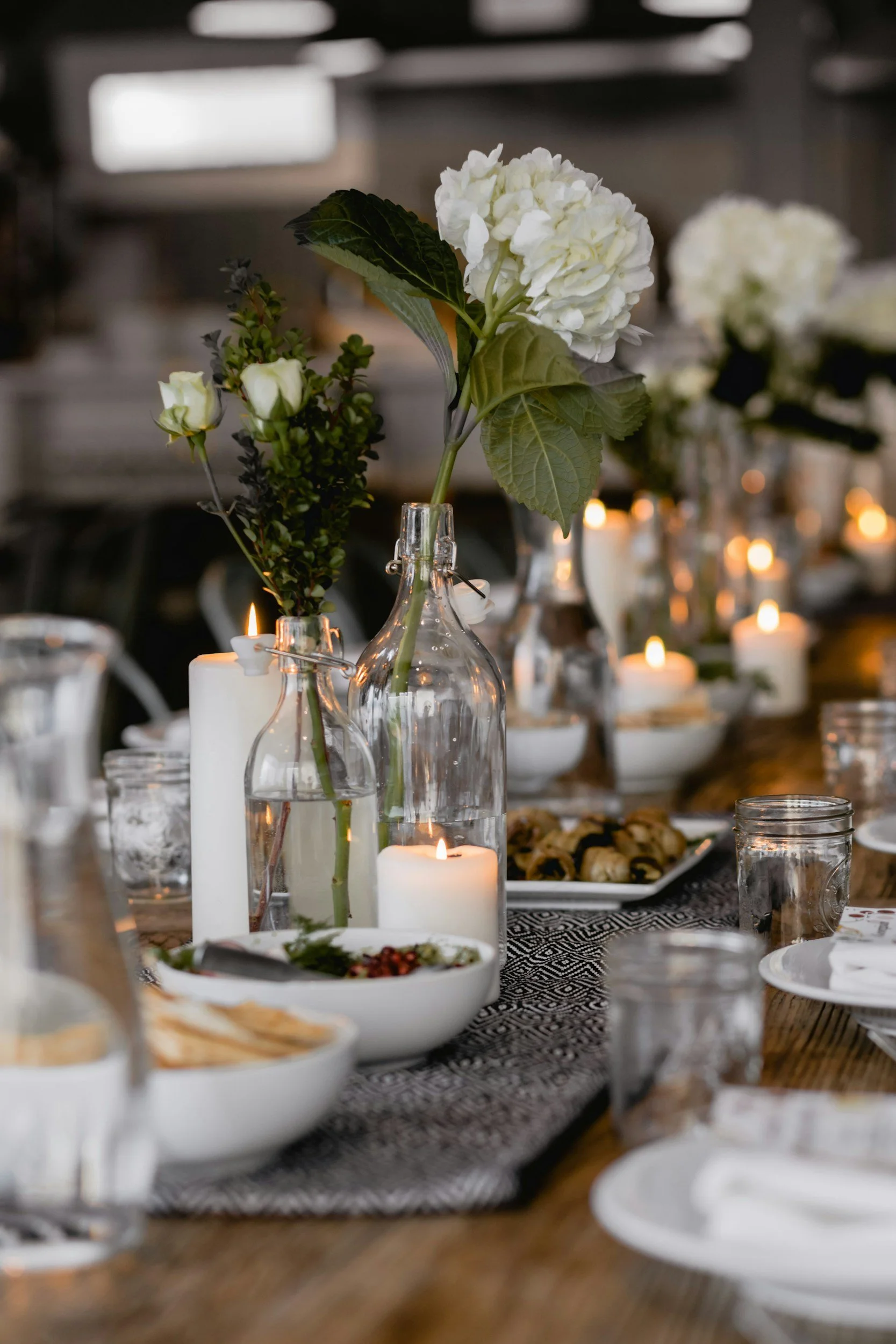
When it comes to lighting, skip the heavily scented seasonal candles, which actively interfere with the complex aromas of the food you have prepared. Instead, rely on unscented wax tapers or low, poured votives.
Choose candlesticks made of honest materials like solid brass, matte black iron, or turned raw wood. Place them down the center of the table in an asymmetrical, organic pattern. When the sun goes down and the candle flames begin to flicker, the warm light will bounce beautifully off the textured ceramics and raw linen, casting a soft, comforting glow over the entire gathering.
Step 3: Tactile and Intentional Place Settings
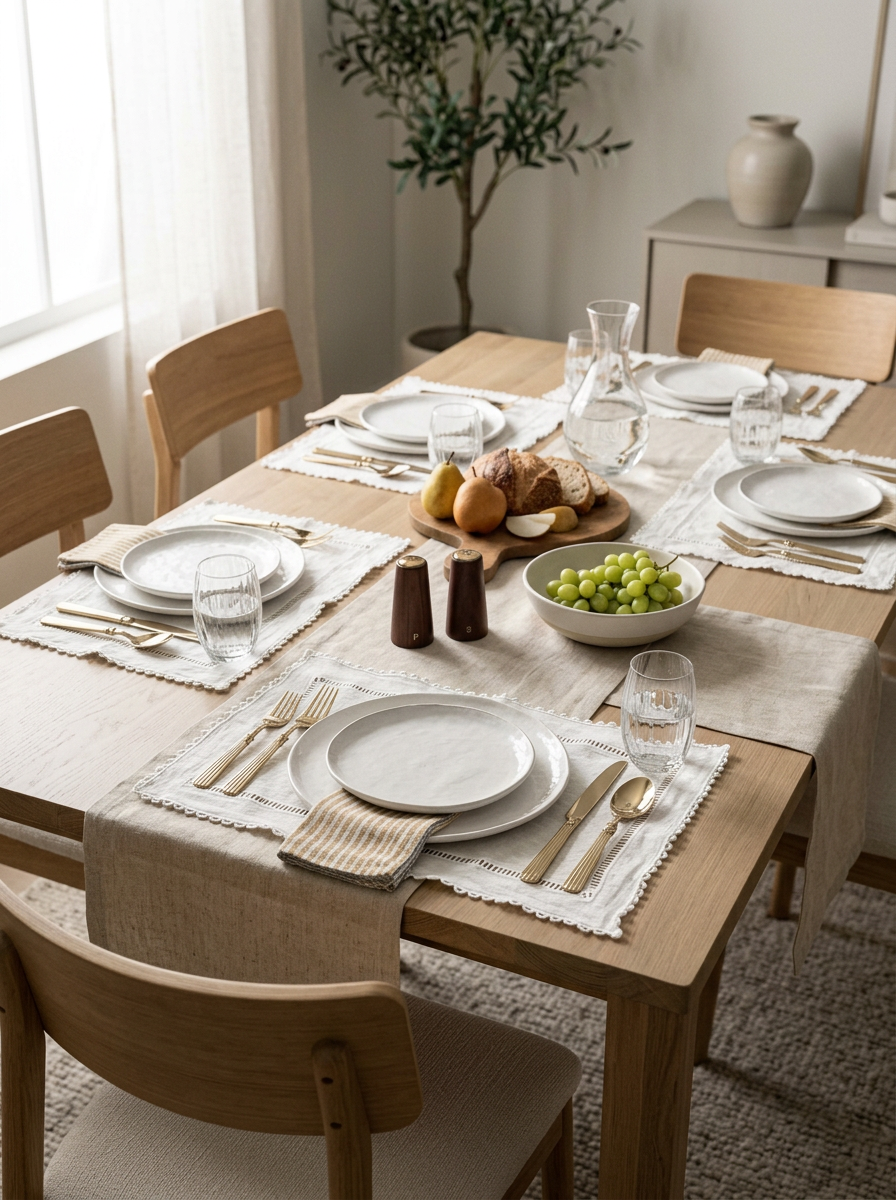
The place setting is the most interactive part of your tablescape. It is the exact point where your guest physically connects with your design. Therefore, every piece should feel wonderful to hold and touch.
Minimalist Place Setting Layering:
Base Layer: Linen Placement / Bare Wood
Middle Layer: Matte Ceramic Dinner Plate
Top Layer: Textured Salad Bowl / Plate
Accent: Knotted Organic Linen Napkin
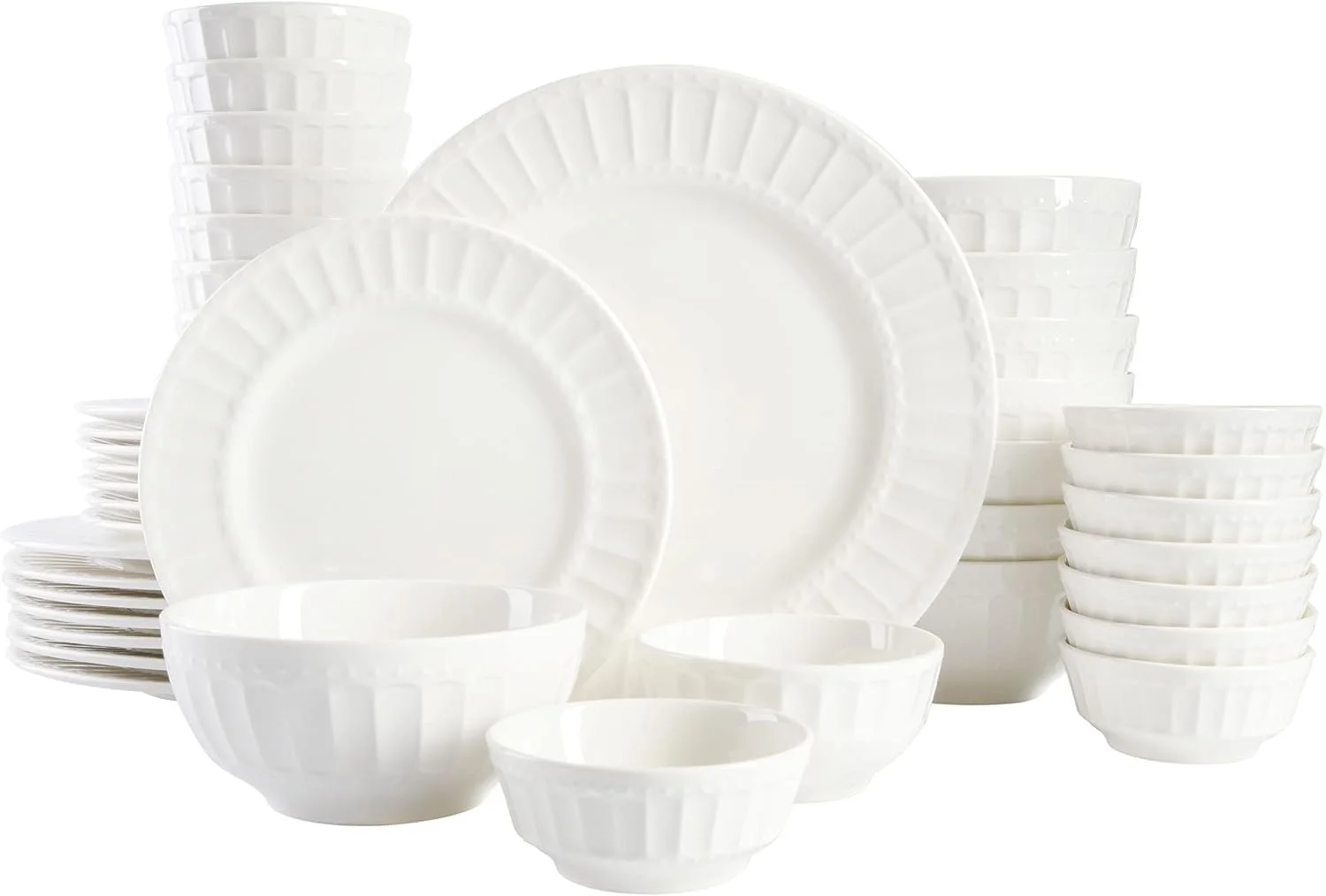
Start by layering your dinnerware. Instead of glossy, mass-produced porcelain, invest in a set of matte ceramic or stoneware plates. The slight irregularities in hand-thrown pottery add an incredible layer of character and visual depth to the table.
Stick to a monochromatic or tightly curated tonal palette. For example, layering a soft sandy-beige dinner plate with a matte cream salad bowl creates a sophisticated, tonal contrast that feels cohesive without trying too hard.
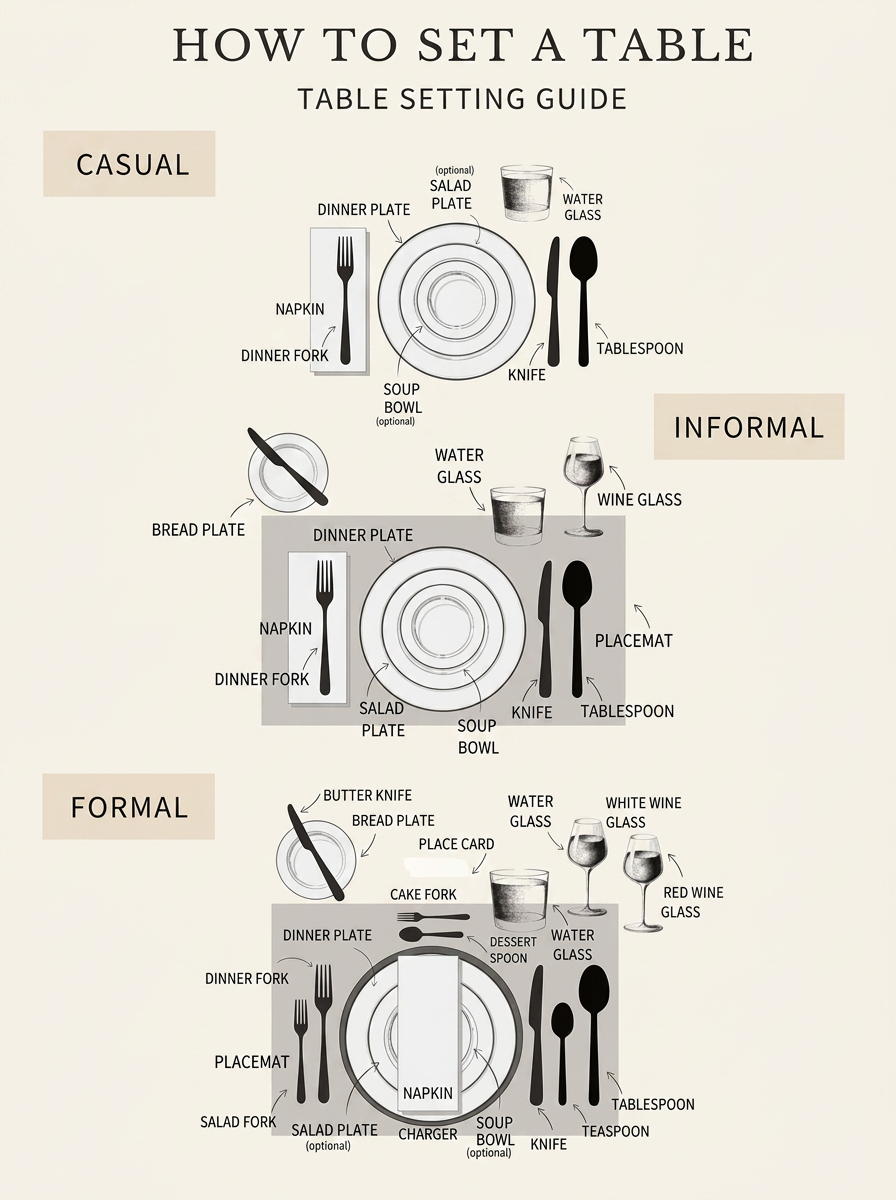
Next, place your flatware. Sleek, modern silhouettes with clean lines work best here. While classic stainless steel is always safe, switching to a brushed gold, matte black, or antique bronze finish can completely transform the mood of the table, adding a refined, contemporary edge.
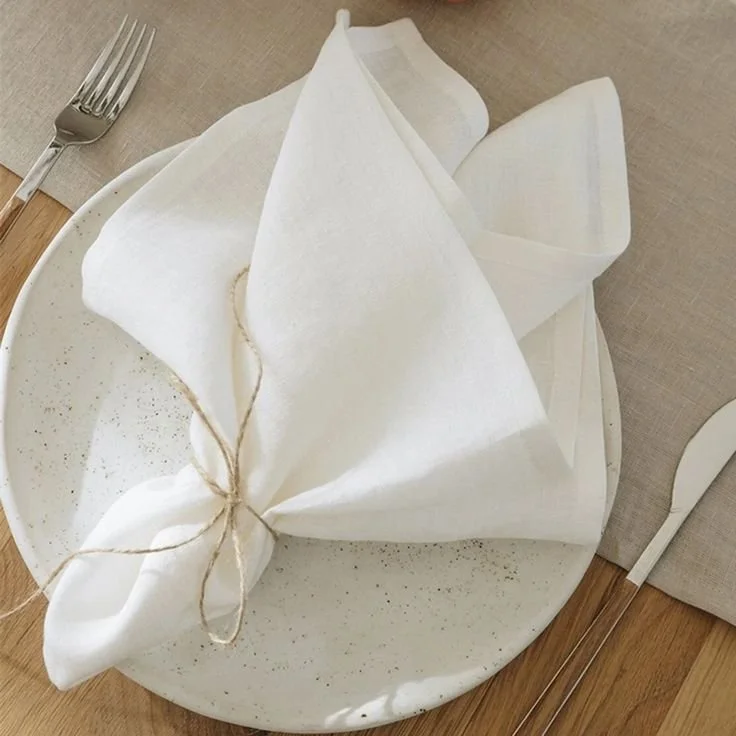
For the napkins, completely abandon rigid, origami-style folds. Instead, take an organic cotton or linen napkin, fold it loosely into a simple rectangle, and place it directly on top of the plate layout. You can also loosely knot the napkin for a more casual, artisanal feel. To add a final, thoughtful touch of hospitality, slip a single sprig of rosemary, a stem of dried lavender, or a handwritten nametag on textured cardstock into the fold.
Cultivating a Cohesive Home Experience
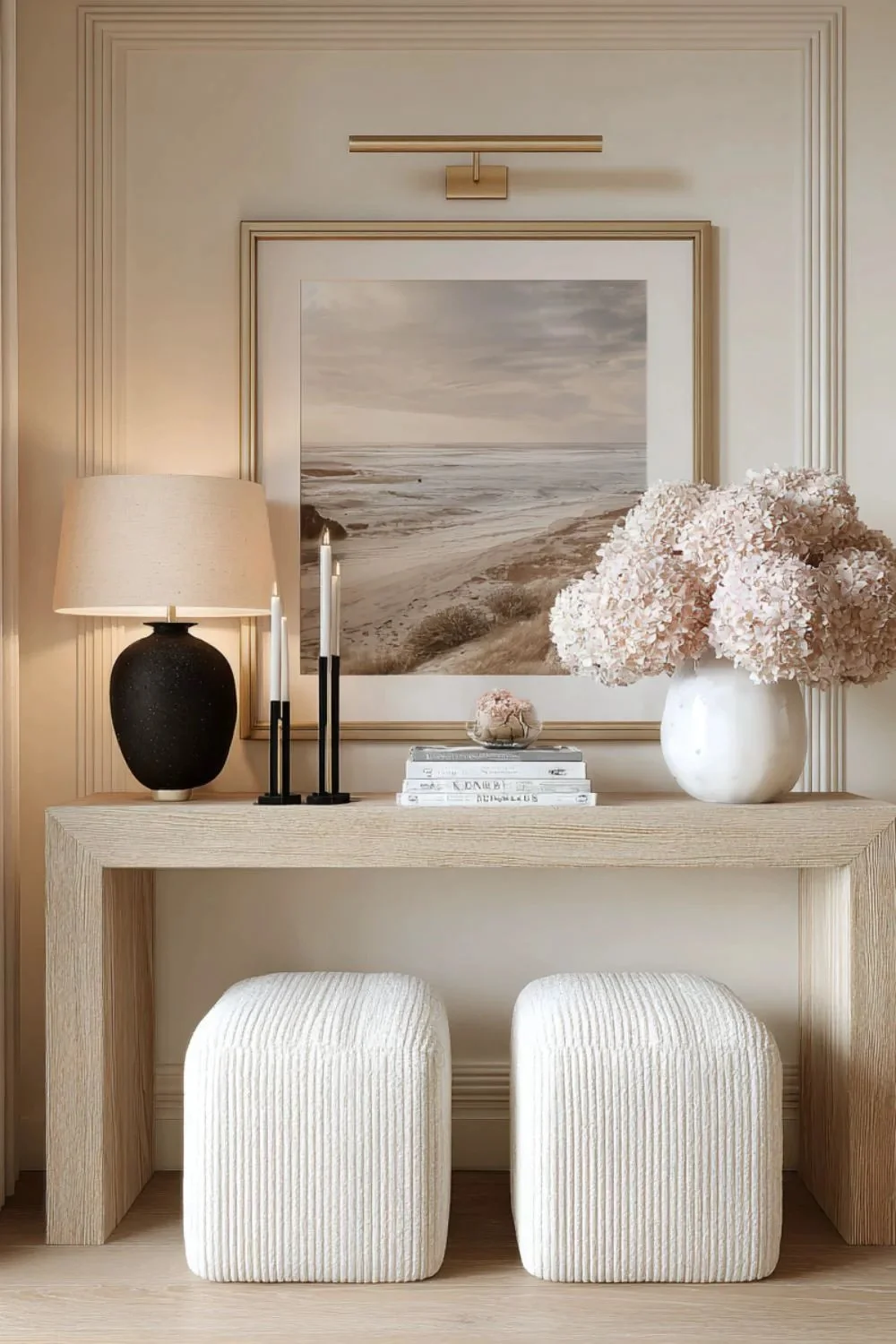
While a gorgeous table sets the perfect mood for dinner, seamless hospitality requires a thoughtful, cohesive experience from the very moment your guests walk through your front door. The energy of a home should never feel fractured.
If your dining room is a calm, curated sanctuary but your front hallway is a chaotic mess of discarded shoes, scattered mail, and tangled keys, your guests will struggle to fully settle into the evening.
To truly elevate your hosting game, you need to extend that same minimalist intentionality to your home's entry point. Taking the time to learn How to Style an Entryway Console Table Using the Rule of Threeswill help you create a warm, serene, and functional first impression the exact second your loved ones arrive, effortlessly transitioning them from the busy outside world into your peaceful evening retreat.
The Art of Low-Stress Glassware
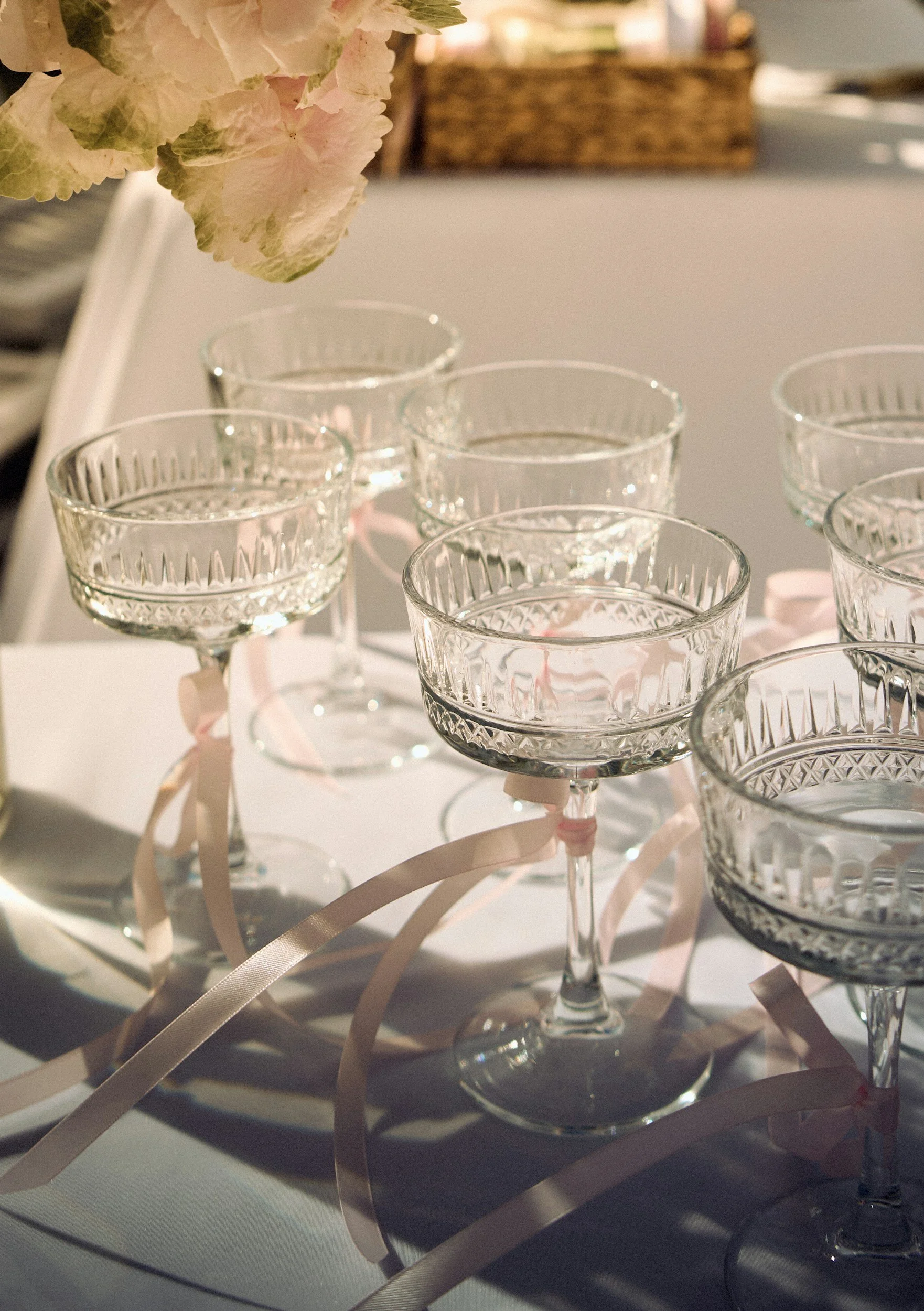
Glassware on a minimalist table should be kept to an absolute minimum. There is no need to crowd each place setting with an array of champagne flutes, white wine glasses, red wine chalices, and water tumblers. This visual clutter instantly shatters the calm aesthetic you are building.
Instead, select one beautiful, multi-functional wine glass with a thin rim and a clean, modern silhouette that can seamlessly accommodate both red and white varietals. Pair it with a simple, heavy-bottomed glass tumbler for water.
To keep the table looking clean and edited, place a beautiful amber glass or ceramic pitcher filled with filtered water infused with sliced cucumber or fresh mint directly on the table. This allows your guests to easily refresh their own drinks throughout the night, removing another hosting task from your plate and fostering a relaxed, family-style dining environment.
Embracing the Space

Ultimately, a minimalist tablescape works beautifully because it proudly leaves physical, emotional, and visual breathing room for what matters most: the food, the laughter, and the shared stories. It is an intentional design choice that strips away the ego of decorating and puts the comfort of your guests first.
By keeping your decor beautifully simple, deeply textured, and thoroughly grounded in nature, you quiet the background noise of the room. You allow the textures of the meal to take center stage, the candlelight to work its soothing magic, and your guests to truly relax, unwind, and feel completely welcome.
If you want to keep the dinner table simple and open for conversation, consider styling an elegant charcuterie board centerpiece on a side buffet for self-serve appetizers.