The Rosie Home Edit contains affiliate links. If you make a purchase through these links, we may receive a commission. Thank you for supporting the work we do to curate this space.
Have you ever walked into a room, taken a look at the piles of unfolded laundry on the chair or the mail scattered across the counter, and immediately felt your chest tighten? Do you find yourself feeling perpetually anxious or mentally drained even when you are supposed to be relaxing in your own living room?
You are not imagining it. There is a deep, psychological connection between the state of your physical environment and the health of your mind. When your home is full of visual noise, physical disorganization, and unfinished tasks, your brain registers those items as undone work. This subtle, continuous background friction keeps your nervous system on high alert.
Creating a peaceful home is not about living in a sterile, picture-perfect showroom where nothing can ever be touched. It is about intentionally cultivating a supportive sanctuary that restores your energy, lowers your stress levels, and nurtures your mental health. By understanding how environmental design influences your mood, integrating soothing colors, layering cozy textures, setting up practical storage, and adopting effortless daily routines, you can transform your living space into an anchor of peace.
The Neurological Connection Between Home Clutter and Mental Health
Why does physical disorganization impact our thoughts and emotions so intensely? To understand how to create a calm clutter free home that supports your mental wellbeing, it helps to look at how the human brain processes visual input.
Every single object in your field of vision competes for your brain’s processing power. Neuroscientists at Princeton University discovered that multiple stimuli present in the visual cortex at the same time prevent your brain from paying attention cleanly. Visual disorganization overloads your cognitive capacity, making it harder to focus, process information, or settle down into a restful state.
When you walk past a stack of unsorted papers, your brain does not just see paper. It reads that stack as a series of micro-decisions you have delayed. It interprets the pile as a subtle demand: read this, pay this bill, file this away, or make a decision. Accumulate dozens of these small, unmade decisions across every tabletop and shelf in your house, and your mind stays in a constant state of low-grade sensory overload.

Research from UCLA’s Center on Everyday Lives of Families highlighted this exact dynamic. Researchers tracked the stress responses of parents in typical suburban households and found a direct link between high density of household objects and elevated levels of cortisol, the human body’s primary stress hormone.
When women in particular described their homes using words like cluttered, messy, or chaotic, their cortisol levels remained steadily elevated throughout the day. Conversely, those who described their homes as peaceful, organized, and restful experienced a natural drop in stress hormones as the day went on.
Does your current environment feel like a soft place to land at the end of a exhausting day, or does it feel like another long item on your to-do list? Recognizing that your mess is not a personal failure, but rather an environmental trigger for stress, is the first step toward building a calming space.
Step 1: Decluttering for Cognitive Ease and Emotional Relief
Before you start picking out paint swatches or buying woven storage baskets, you must address the volume of items occupying your home. You cannot style or organize your way out of having too many belongings. However, traditional decluttering advice often leads to emotional fatigue and abandoned projects. Trying to tackle an entire garage or a full walk-in closet in a single weekend frequently leaves you with a bigger mess than when you started, raising your anxiety rather than lowering it.
To protect your mental energy, approach decluttering through the lens of cognitive ease. The goal is not to rid yourself of everything you own, but to remove the items that drain your attention without giving you value, beauty, or comfort in return.
The Low-Friction Micro-Decluttering Method
Instead of tearing apart entire rooms at once, practice low-friction micro-decluttering. Focus on tiny, enclosed micro-zones that take no more than ten to fifteen minutes to process.
Start with these high-impact, small-scale micro-zones:
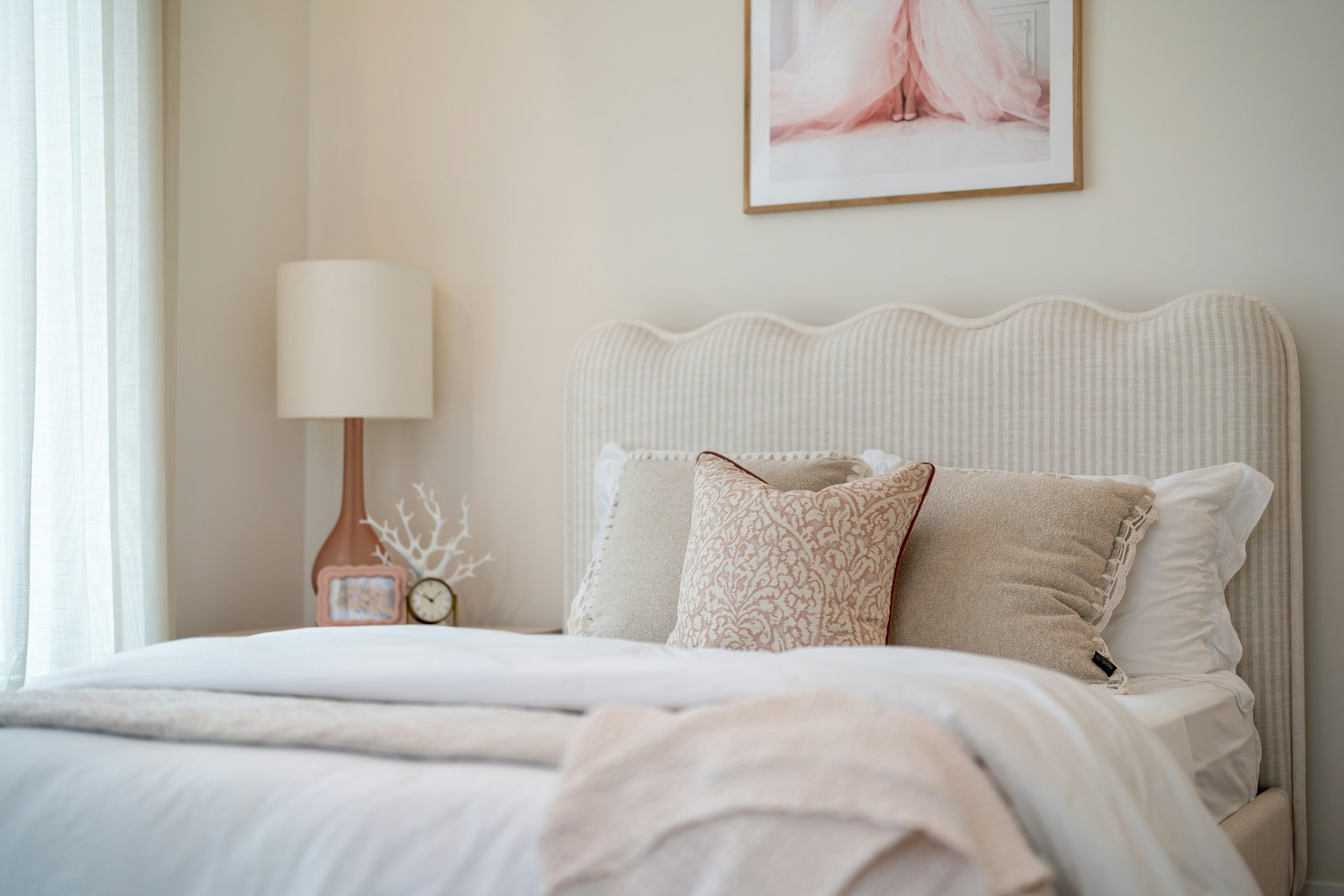
The surface of your bedside table
The top drawer of your bathroom vanity
The coffee table surface in your main living space
By limiting your focus to a tiny boundary, you complete the task quickly, enjoy an immediate psychological win, and train your brain to see decluttering as a manageable, satisfying habit rather than an exhausting ordeal.
Lowering the Cognitive Burden of Item Removal
Why is it so hard to let go of things we do not even use? Possessions carry emotional weight. We hang onto clothing that no longer fits because of guilt over how much money we spent. We store unused craft supplies because of lost aspirations, or keep unwanted hand-me-downs out of obligation toward family members.
When deciding whether an item deserves to occupy space in your calm home, shift the question away from whether the item is still usable. Instead, ask yourself these gentle, revealing questions:
Does keeping this item add mental clarity to my current life, or does it generate subtle guilt about the past?
Would I repurchase this item today if I did not already own it?
Am I keeping this object out of genuine love, or out of fear and obligation?
Is the physical space this item consumes more valuable to my daily peace than the object itself?
If an item demands emotional energy without adding functional or aesthetic value, let it go. Donating unused items gives them a new life with someone who genuinely needs them, reframing the act of parting with possessions from loss to generosity.
Step 2: Designing with a Calming Color Palette to Reduce Visual Fatigue
Once you have cleared out physical clutter, the next layer of building a serene home involves managing visual noise. Color exerts a profound influence on human psychology and autonomic nervous system regulation. High-contrast color combinations, overly bright neon accents, and chaotic mix-and-match patterns stimulate brain activity, keeping you alert and energized. Conversely, soft, low-contrast, muted hues signal safety and relaxation to your brain.
What emotions do the dominant colors in your main living areas currently evoke in you? If your walls are stark cool white or painted in energetic high-saturation shades, you might be absorbing subtle visual overstimulation without realizing it.
Selecting Low-Contrast, Nature-Inspired Shades
To cultivate an atmosphere that lowers heart rate and invites rest, turn to low-saturation shades inspired by the natural landscape. Nature provides an exceptional blueprint for color harmony because human eyes naturally process organic tones with minimal visual strain.
Consider introducing these soothing color families into your home:
Muted Sage and Warm Olive: Green rests directly in the middle of the visual color spectrum, making it extremely easy on the eyes. Soft sage green brings a grounding, restorative feel to bedrooms, home offices, and living rooms.
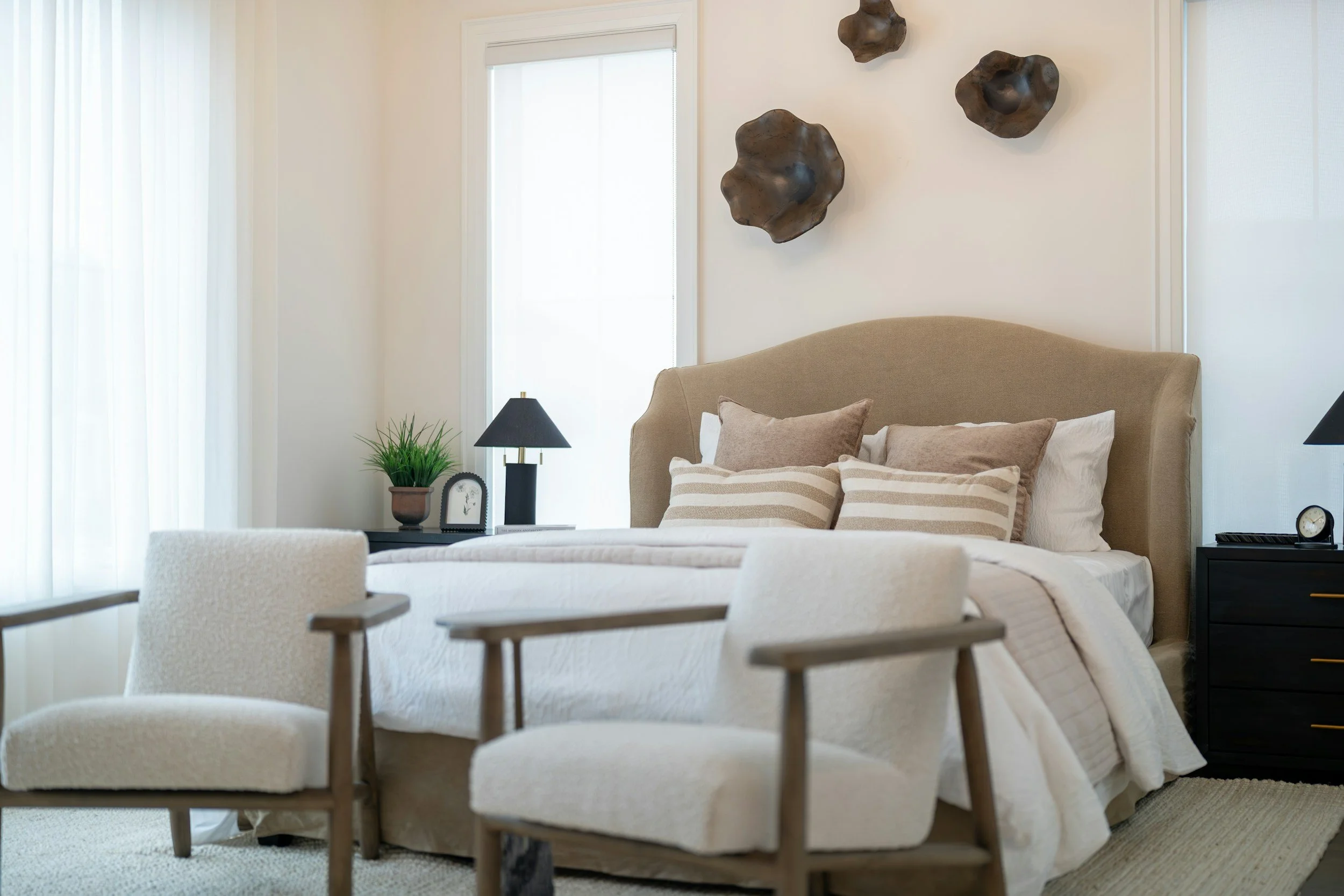
Warm Greige and Soft Warm Cream: Pure, stark bright whites can reflect harsh light and feel clinical or cold. Warm creams and gentle greige shades—a subtle blend of warm gray and beige—reflect natural light softly, wrapping rooms in gentle warmth.
Muted Sky Blue and Slate: Blue is widely celebrated in interior psychology for its ability to lower blood pressure and steady heart rates. Pale sky blues, smoky slate shades, and deep stormy indigo work beautifully in bedrooms and bathrooms where deep relaxation is the goal.
Warm Earthy Terracotta and Taupe: Soft, desaturated clay, sandy beige, and creamy mushroom tones add physical grounding to a room, creating a sense of warmth without feeling visually loud.
The Organic Modern Living Room: 5 Elements for a Cozy, Intentional Space
The Power of Tone-on-Tone Color Schemes
To maximize visual peace, apply a monochromatic or tone-on-tone color strategy within a single room. Instead of painting walls one color, picking contrasting trim, and adding wildly different accent furniture, choose varying shades and tones of the same overarching color family.
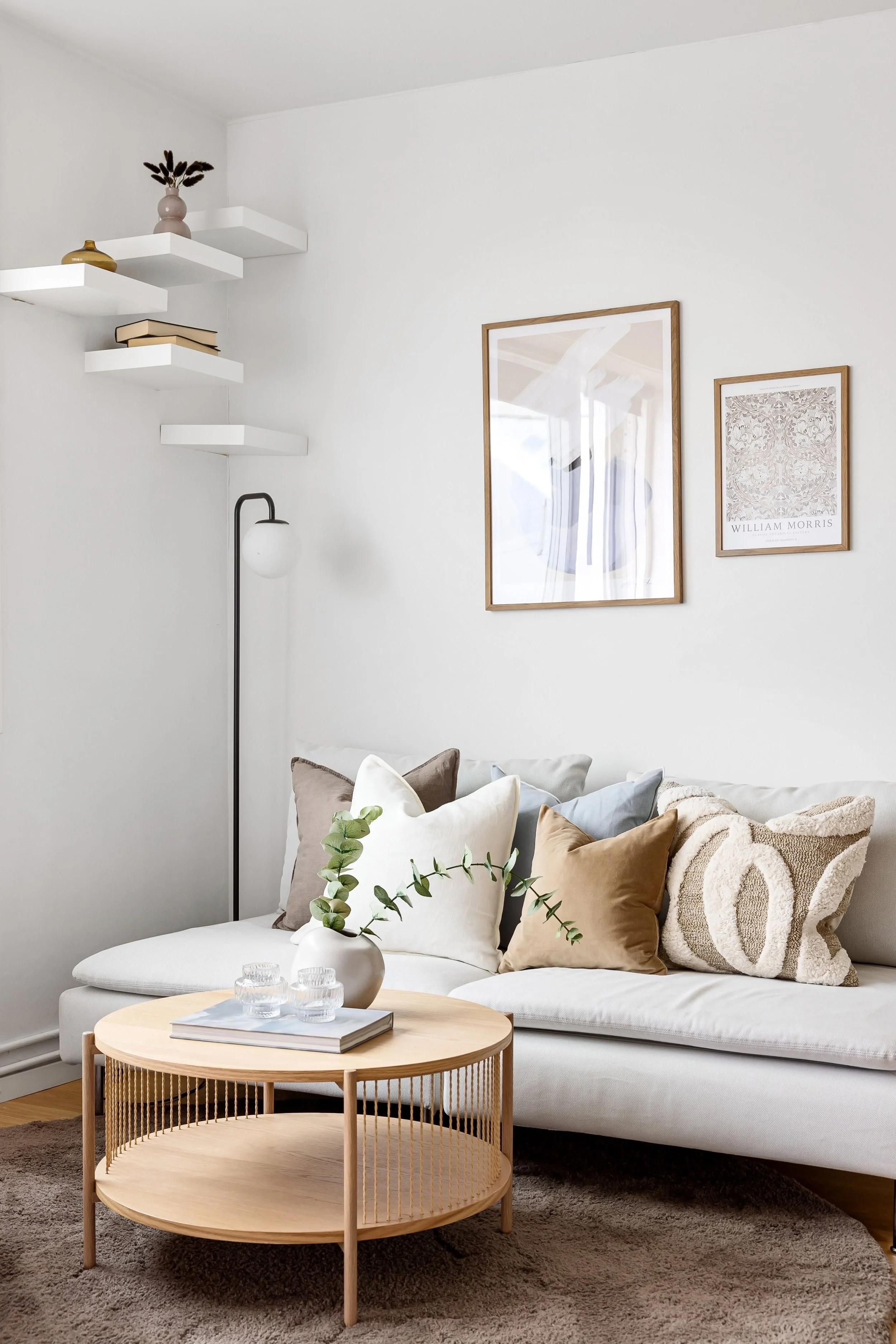
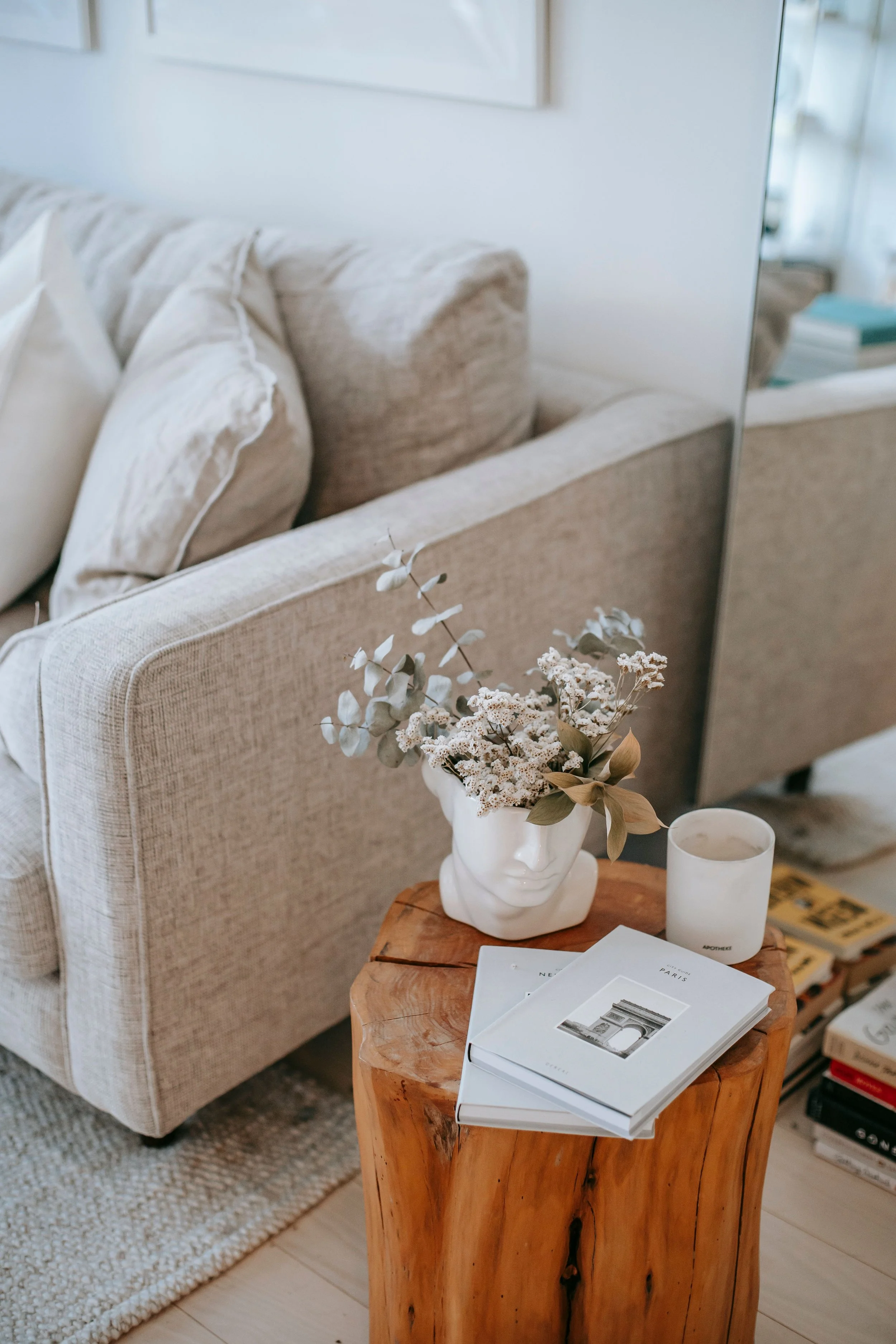
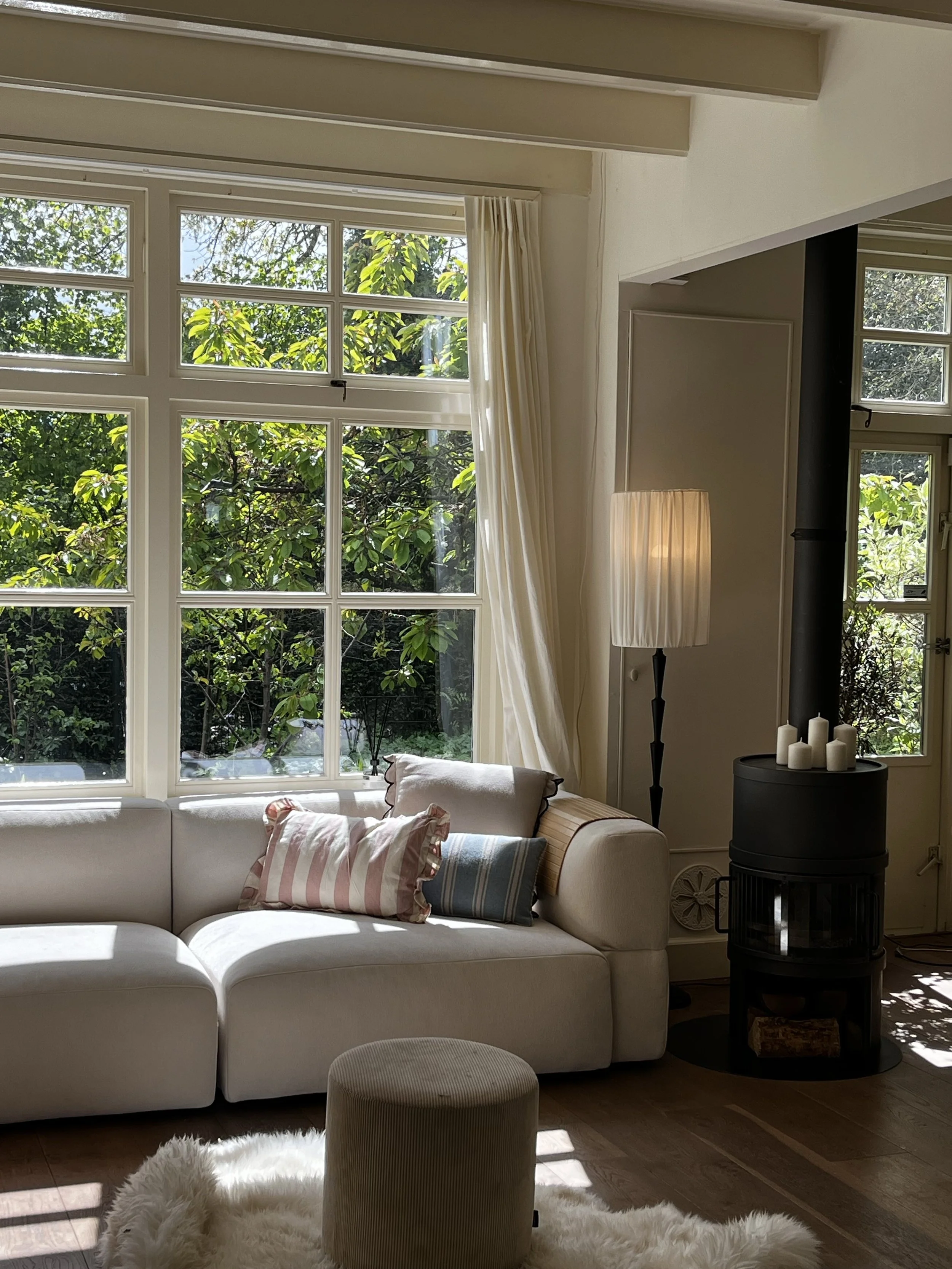
For example, pair light warm-cream walls with a soft taupe linen sofa, light oak wood finishes, and cream-colored wool throw blankets. Because there are no harsh visual breaks or aggressive color shifts for your eyes to cross, your gaze glides smoothly across the space. This seamless continuity gives your visual system a break, creating an environment that feels noticeably larger, quieter, and deeply relaxing.
Step 3: Layering Cozy Decor and Biophilic Design for Emotional Comfort
A calm, uncluttered home should never feel cold, vacant, or impersonal. Stripping away unnecessary possessions is only half the formula; filling the remaining space with intentional warmth, tactile comfort, and organic elements is what turns a house into a sanctuary. Cozy decor serves as an emotional shelter, providing a tactile sense of security after a demanding day in the outside world.
How does your home feel when you touch it? Integrating diverse textures invites mindfulness, bringing your awareness back into your physical body and grounding your restless thoughts.
Tactile Layering for Restorative Comfort
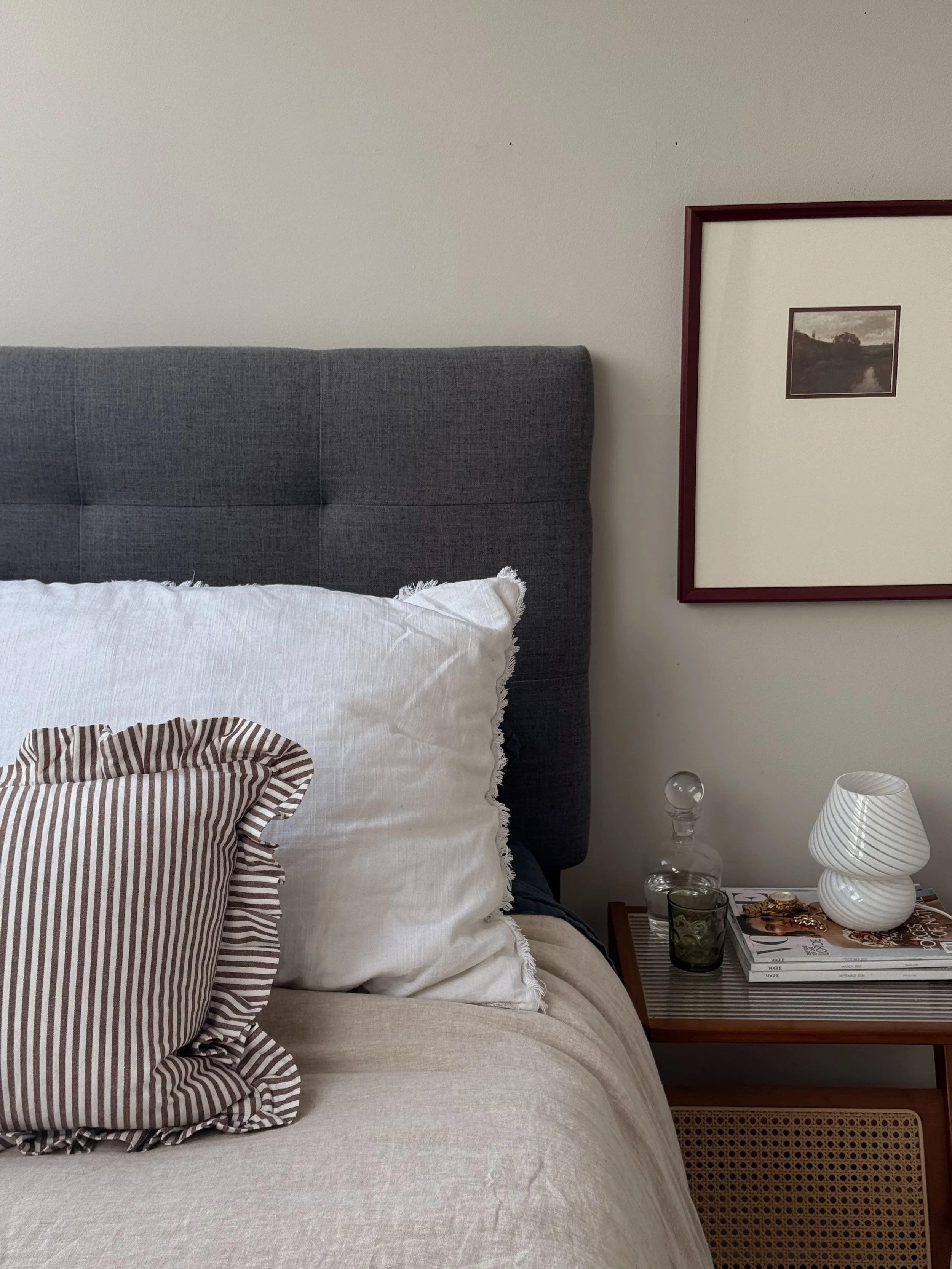
Sensory input goes well beyond sight. The materials you touch daily directly influence your mood and physical comfort. Replace synthetic, cold, or harsh fabrics with rich, breathable, natural textiles that invite relaxation:
Breathable Washed Linen: Perfect for duvet covers, throw pillows, and light drapery. Linen offers a relaxed, lived-in texture that feels soft against the skin and conveys effortless ease.
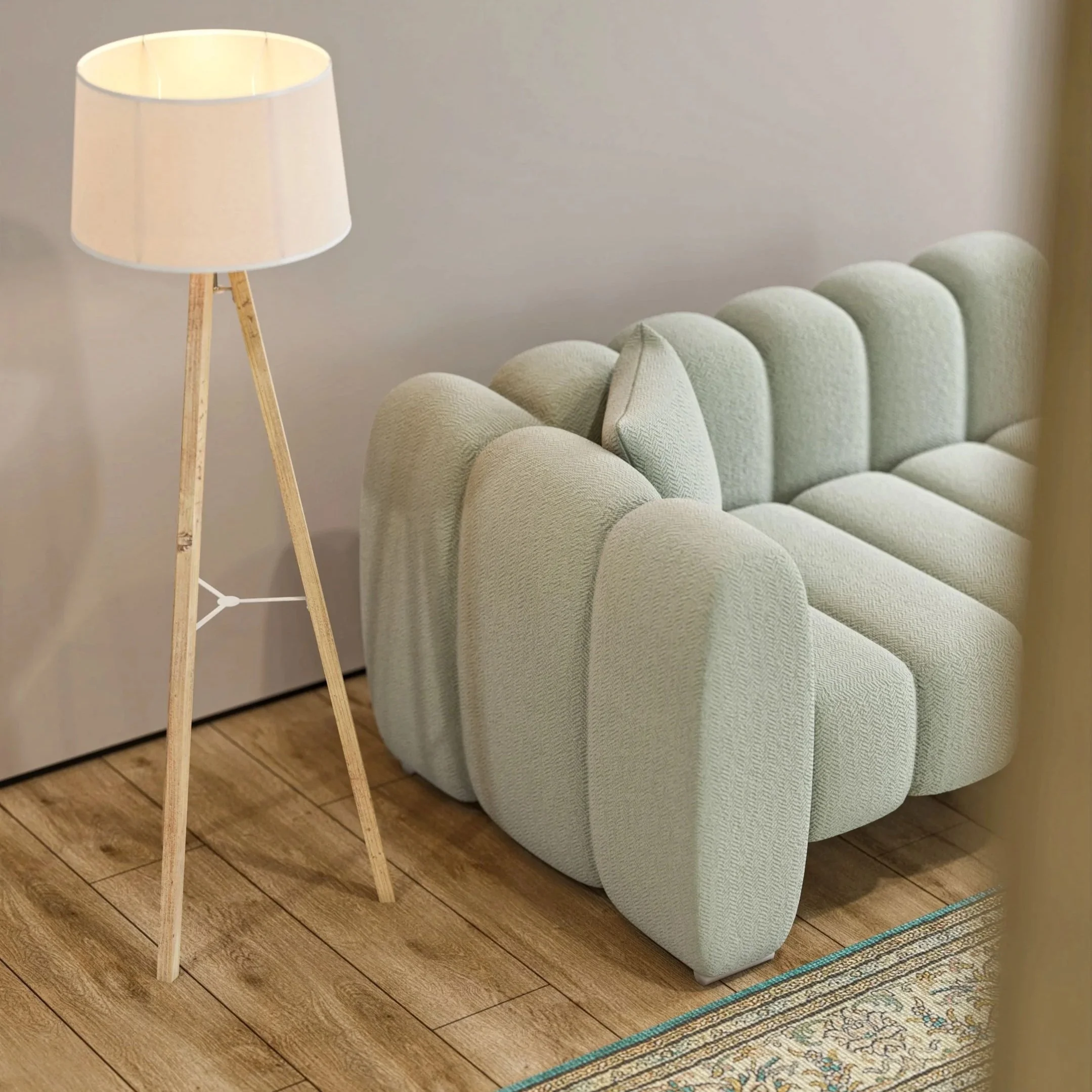
Chunky Bouclé and Soft Knits: Incorporate heavy knitted wool blankets or bouclé accent chairs to introduce rich tactile dimension without introducing visual clutter.
Warm Natural Woods: Unfinished or matte-oiled wood surfaces like white oak, walnut, or pine bring physical warmth and organic beauty into a space, balancing out softer fabrics.
Natural Fiber Rugs: Layer smooth wool, braided jute, or soft cotton rugs over hardwood floors to cushion your feet, dampen distracting room echoes, and ground your furniture arrangements.
Zara Home Bedding Evaluation: Fabric Quality, Thread Count, and Linen Longevity
Integrating Biophilic Elements to Connect with Nature
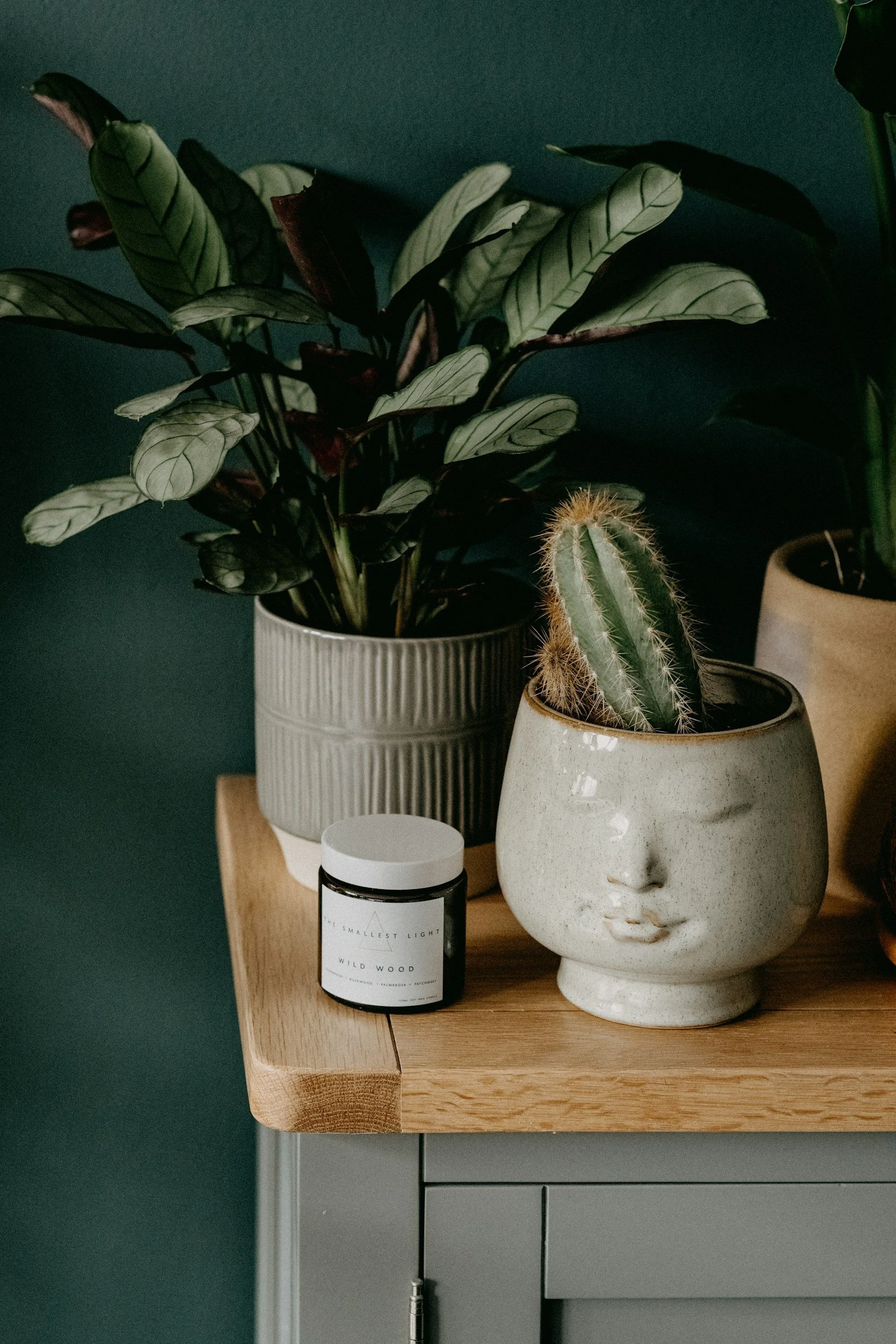
Biophilic interior design centers on our innate human drive to connect with the natural world. Incorporating living elements into your home has been shown to reduce anxiety levels, improve mood, and enhance cognitive restoration.
Bring gentle natural life into your living spaces with these simple ideas:
Low-Maintenance Houseplants: Place forgiving greenery like pothos, snake plants, peace lilies, or ZZ plants near windows. Watching living plants grow brings an encouraging sense of renewal into your rooms.
Natural Light Maximization: Pull back heavy drapery during daytime hours to let natural sunlight stream through. Sunlight regulates your natural circadian rhythm, improving your daytime alertness and helping you sleep deeper at night.
Organic Shapes and Fluid Lines: Seek out furniture, mirrors, and decor accents with soft curved edges, rounded profiles, and organic silhouettes rather than sharp, rigid corners. Rounded edges appear less intimidating and feel softer to navigate around.
Diffused Soft Lighting: Swap out harsh overhead lighting for warm, layered floor lamps, table lamps with fabric lampshades, and dimmable bulbs. In the evening, dim your artificial lights to signal to your brain that it is time to produce melatonin and prepare for rest.
Step 4: Practical Organization Systems That Prevent Clutter Recurrence
You can spend days decluttering and organizing your entire house, but if your storage systems are complicated or unnatural to maintain, clutter will inevitably creep back. Most disorganization occurs not because people are inherently messy, but because their organizational systems require too much effort to operate daily.
If an item is difficult to put away, it will be left sitting on the nearest flat surface. To maintain a quiet, orderly environment over the long term, build intuitive, practical organization systems tailored around your natural human habits.
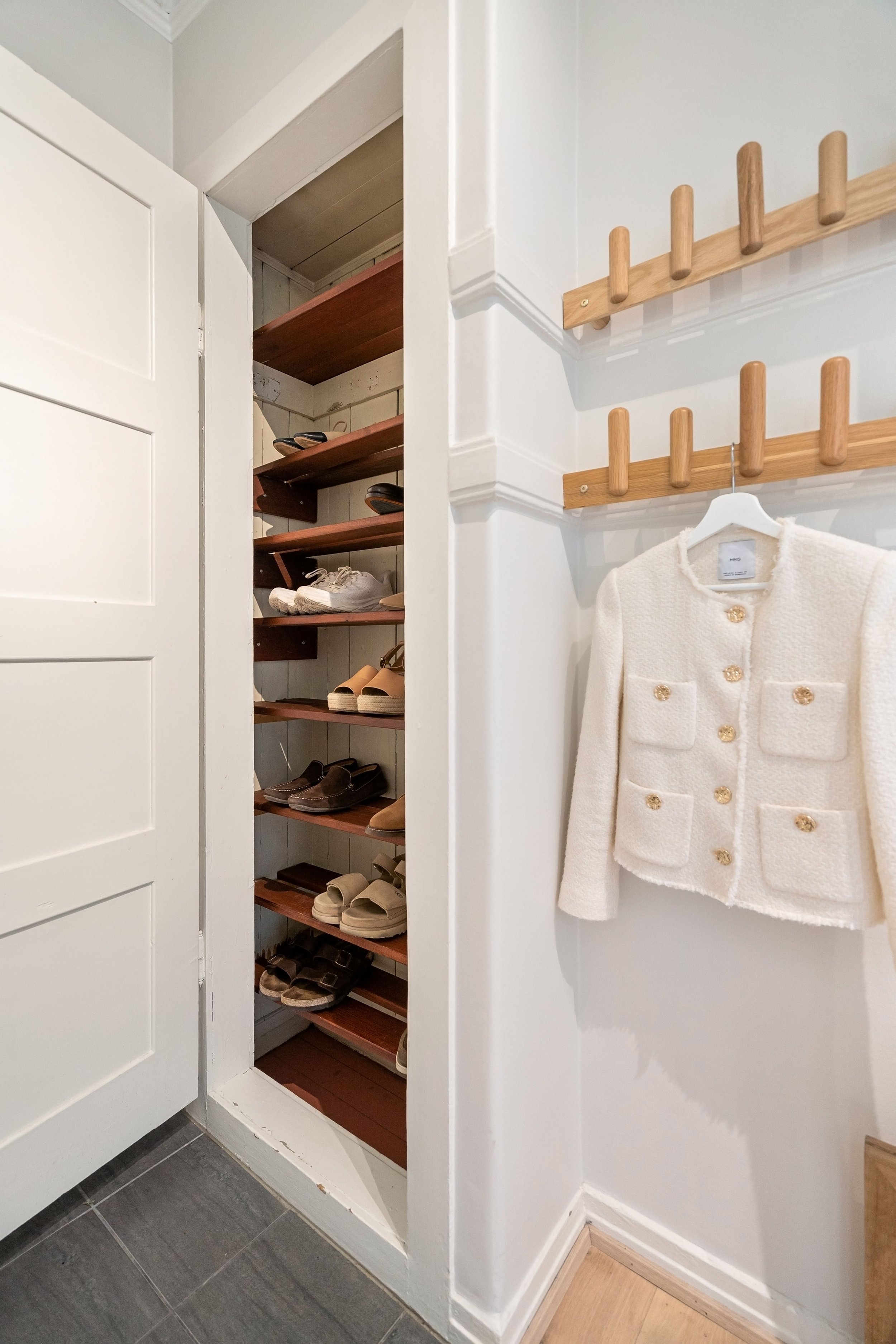
Designing Storage Based on Your Actual Habits
Take an honest look at where clutter naturally builds up in your home. Do shoes pile up right beside the front door? Does mail accumulate on the kitchen island? Do clothes gather on a bedroom chair instead of being hung back up in the closet?
Instead of fighting your natural tendencies and trying to force new, rigid behaviors, modify your storage systems to catch your existing habits:
The Entryway Drop Zone: If shoes are always kicked off near the front door, place an open-top woven basket or an accessible shoe bench right at that exact spot. If mail ends up on the counter, put a simple wall pocket or attractive catch-all tray directly in your path.
Open-Bin Storage for High-Frequency Items: Bins with tight-fitting lids create an extra physical barrier to putting things away. Use open canvas totes or wire baskets for frequently used items like kid's toys, throw blankets, dog leashes, and daily styling tools. Removing the simple step of lifting a lid drastically increases the odds that items get put back where they belong.
Point-of-Use Placement: Store objects at the exact location where you actually use them, rather than where you think they theoretically belong. Keep cleaning wipes in the bathroom vanity, hold dog walking accessories right by the back door, and keep your bedtime journaling supplies inside your nightstand drawer.
Laundry Room Organization: Amazon Basics Systems That Save Space
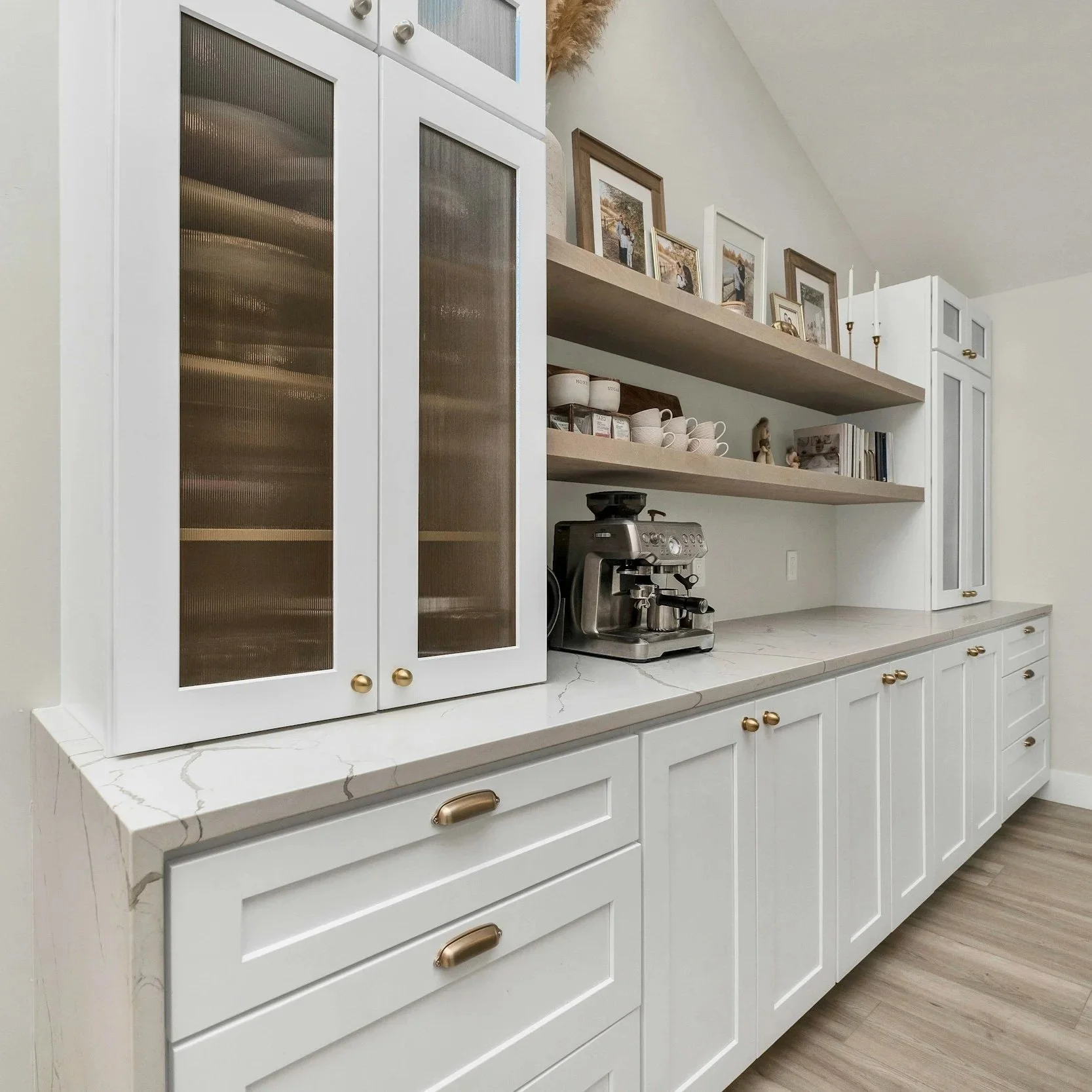
Lowering Visual Noise with Concealed Storage
While open shelving can look gorgeous in curated design photos, in real-life homes, open shelves often become collection points for visual noise. Seeing dozens of mismatched book spines, spice jars, or pantry containers constantly taxes your brain.
To protect your peace of mind, aim for an intentional balance of open and closed storage:
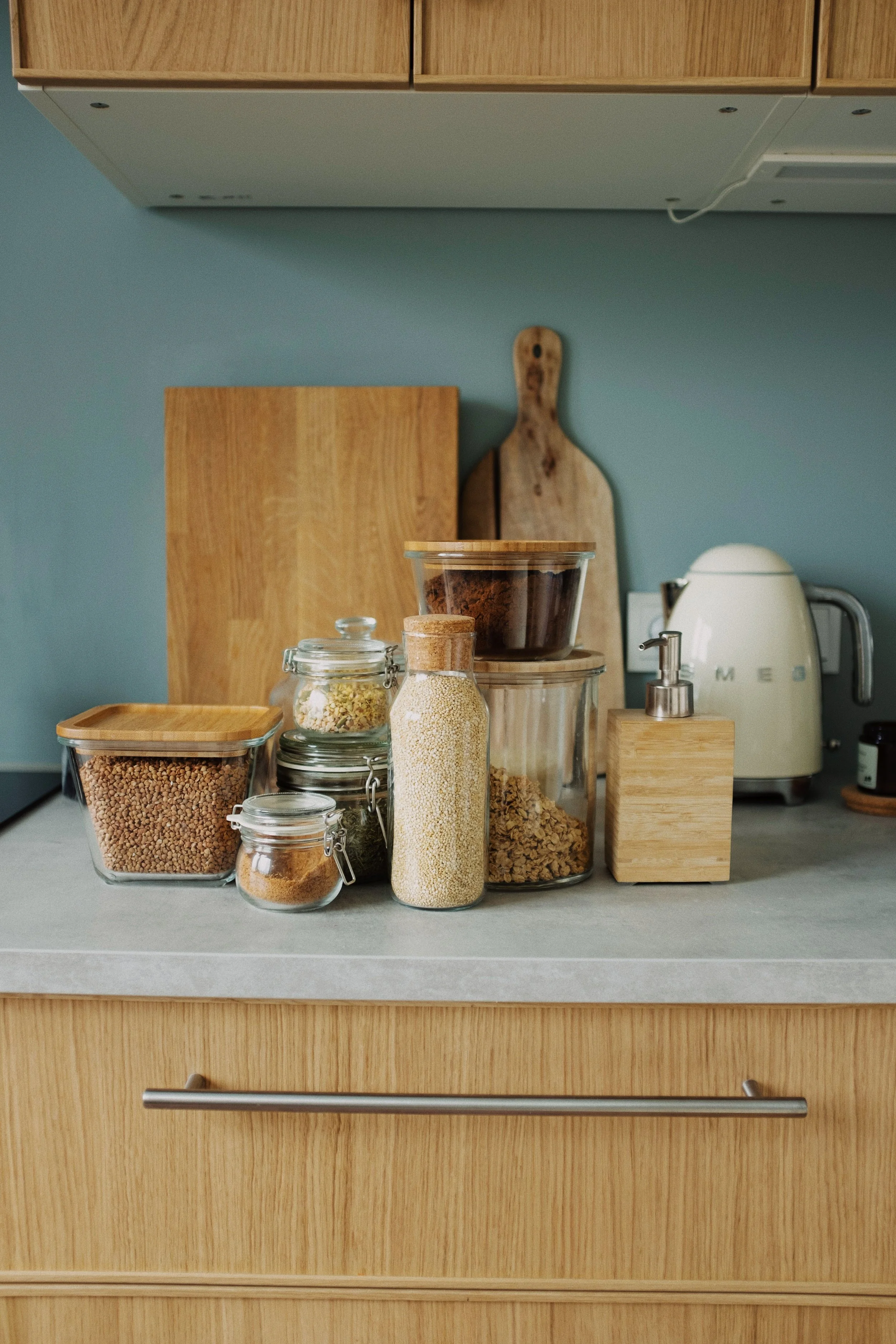
Use closed cabinetry, opaque drawers, and solid baskets to hide high-volume, mismatched utility items like paperwork, pantry goods, electronics, and cords.
Reserve open shelves exclusively for a few treasured, beautiful objects—such as a favorite ceramic vase, a small potted plant, or a tiny collection of loved books—giving those items breathing room to stand out without feeling crowded.
The Non-Toxic Kitchen Edit: Simple Swaps for a Healthier, Aesthetic Pantry

Step 5: Designing an ADHD-Friendly Organization System
Traditional organization advice often fails for neurodivergent brains or anyone struggling with executive function because it relies heavily on hidden storage, rigid steps, and multi-step maintenance. An ADHD-friendly home system works with your brain’s natural cognitive patterns rather than against them, prioritizing visual availability, extreme ease of use, and low-friction routines.
Do you ever find yourself freezing up when faced with a messy room, completely unsure of where to start? Building systems tailored for ADHD lowers the cognitive bar so tidying feels approachable rather than paralyzing.
Embrace Visual Availability (Out of Sight, Out of Mind)
For an ADHD brain, if an object is hidden behind an opaque cabinet door or tucked deep inside a labeled box, it often ceases to exist until it is suddenly needed.
Clear Storage Containers: Swap solid plastic bins and dark wooden boxes for clear acrylic containers, open wire baskets, or canvas totes without lids.
Open Shelving and Wall Hooks: Store essential daily items where you can see them instantly. Hanging keys, scissors, dog leashes, or bags on open wall hooks or a central pegboard keeps crucial items within your direct line of sight.
The "One-Step Drop" Rule
Every extra physical step required to put an item away dramatically increases the chance it gets left sitting on the nearest flat surface.
Eliminate Lids and Clutches: Skip boxes with tight lids or multi-latch containers for high-use items. Use open-top catch-all baskets at natural drop zones, such as right by the entryway or beside the living room couch.
Drop Over Stack: Instead of requiring papers to be categorized immediately into color-coded folders, set up a single open inbox basket for incoming mail that can be processed later when you have dedicated focus energy.

Organize by Action, Not Category
Instead of organizing items by strict traditional categories (like storing all office supplies in one central closet), group items by the specific activity or routine they belong to.
Activity-Based Caddies: Create dedicated caddies or portable bins for specific tasks—such as a Morning Routine Bin, a Bill Pay Caddy, or a Skincare Basket. When it is time to complete the task, grab the entire bin, move it to your workspace, and return the whole bin in one single step when you finish.
Accept Body Doubling and Micro-Spurt Tidying
Overhaul projects can quickly lead to hyperfocus followed by intense mental burnout, leaving behind a larger mess than when you started.
Set 5-Minute Timers: Gamify tidying by racing against a 5-minute timer to clear a single surface like a coffee table or bathroom counter. Stop as soon as the timer rings, regardless of progress.
Utilize Body Doubling: Tidy while talking on the phone with a friend, listening to an engaging podcast, or having someone sit in the room with you. The presence of another person helps anchor your focus and keeps emotional overwhelm at bay.
Read more How to Get Organized When Your Brain Hates Systems, ADHD Organization Tips
Step 6: Easy, Frictionless Routines to Sustain a Peaceful Space Effortlessly
Even the most carefully designed, beautifully organized home requires maintenance. However, keeping your space clear does not mean spending your precious weekends deep-cleaning for hours on end. By introducing gentle, low-friction daily and weekly routines into your life, you can keep clutter from building up without exhausting your willpower.
What if keeping your home tidy felt as natural and automatic as brushing your teeth before bed? The secret lies in pairing small tidying habits with existing anchors in your daily routine.

The Magic of the 5-Minute Nightly Reset
One of the single most transformative habits for mental wellbeing is the 5-minute nightly reset. Before settling down to watch a movie, read, or sleep, set a gentle timer on your phone for five minutes. Walk through your main living space with one clear goal: reset the room back to its neutral baseline state so your morning self wakes up to peace.
Focus exclusively on these quick, soothing actions during your reset:
Fluff and straighten the couch cushions and fold the throw blankets.
Clear away stray coffee mugs, tea cups, or glass water bottles from side tables.
Wipe down the kitchen counters and ensure the sink is empty of dirty dishes.
Place remote controls, reading glasses, and books back in their designated homes.
Waking up to clean surfaces and a quiet room completely changes the emotional tone of your morning. Instead of feeling an immediate spike of stress and panic when your feet touch the floor, you start your day with clarity, calm, and a sense of calm control.
The 5-Minute Mindset Reset: Simple Morning Journaling Ritual
The "One-Touch" Rule for Daily Belongings
A major contributor to daily clutter is the habit of placing items down temporarily instead of putting them away permanently. You drop your jacket on the couch intending to hang it up later, or leave incoming mail on the counter to deal with over the weekend. Every time you touch an item without finishing its journey, you create future work for yourself.
Try practicing the gentle "One-Touch Rule" throughout your day. Whenever you handle an object, commit to processing it fully on the first touch:
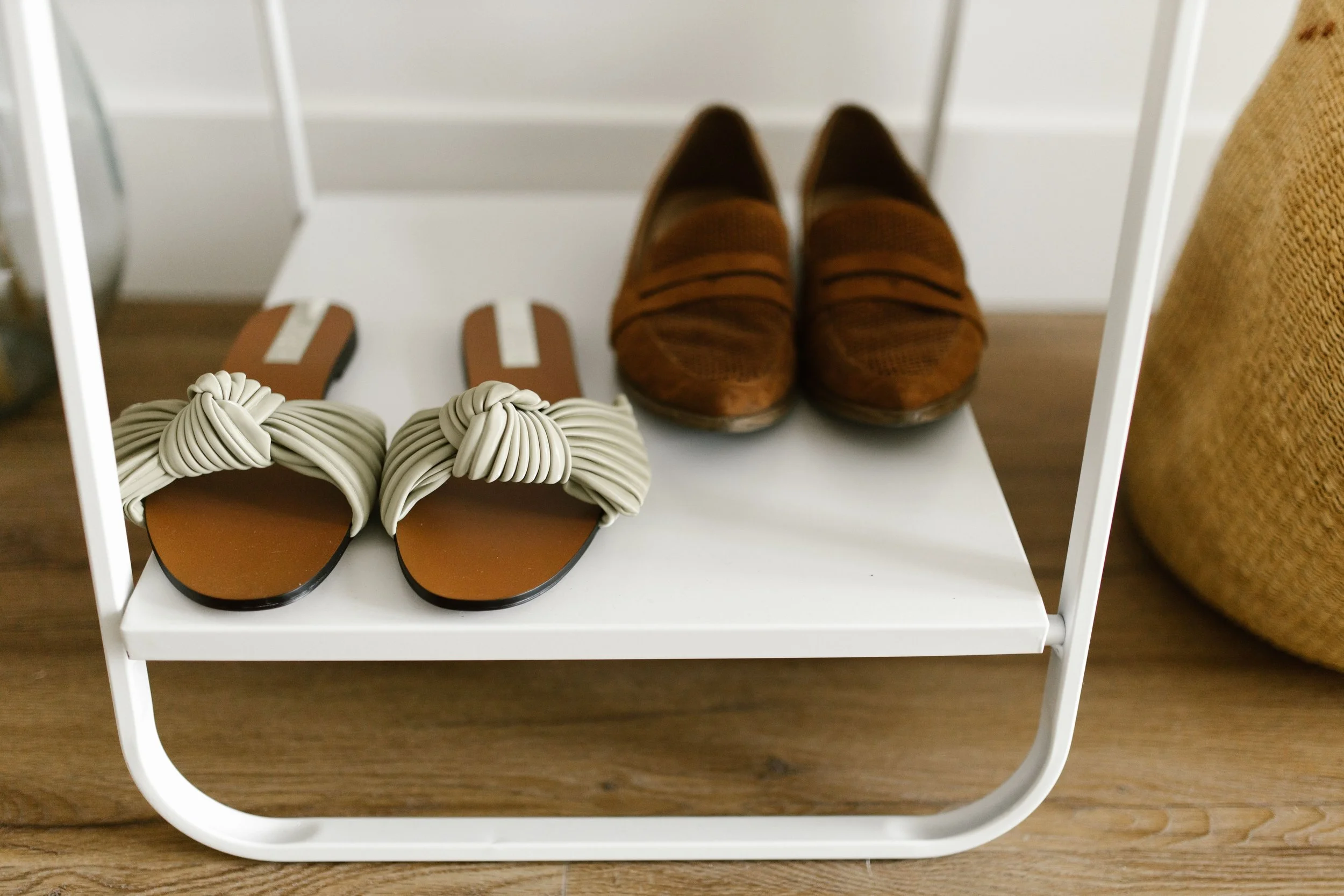
When you take off your shoes, place them directly inside the shoe basket rather than setting them next to it.
When you bring in the mail, immediately recycle junk flyers, open bills, and file important letters, rather than dumping the whole pile on the table.
When you finish your morning coffee, place your mug straight into the dishwasher instead of setting it on the sink edge.
This tiny shift in immediate action requires no extra time, yet it prevents dozens of small clutter items from building up across your surfaces over the course of a week.
The Gentle Weekly Reset and Seasonal Refresh
Beyond daily micro-habits, establish a simple, predictable weekly cadence to maintain your home’s balance:
The Friday Reset: Spend fifteen minutes clearing flat surfaces, shedding unnecessary papers, and taking out recycling so you go into your weekend with a fresh slate.
Seasonal Edit: At the start of every new season, do a quick sweep through your closets, entryways, and main storage zones. Rotate seasonal outerwear, pack away holiday decor, and gather items you no longer use to donate. Regularly auditing your belongings ensures your home expands and breathes alongside your changing life.
Transforming Your Home into a Restorative Inner Sanctuary
Creating a calm clutter free home that supports your mental wellbeing is not an all-or-nothing project that has to happen overnight. It is a loving, gradual journey of shaping your environment to serve your emotional and psychological needs. Every small step you take—whether it is clearing a single nightstand drawer, swapping out a bright lightbulb for a soft warm tone, setting up a clear storage bin, or establishing a quick five-minute evening reset—pays immediate dividends in your daily peace of mind.
Your home should be the place where your nervous system unwinds, where your mind feels light, and where you feel completely supported by your surroundings. As you release physical excess, introduce soothing natural colors, layer soft textures, and build gentle routines, you will discover that a quiet, organized space creates room for something far more important: true mental clarity, deeper rest, and an enduring sense of inner wellbeing.
Which small corner of your home will you give a quiet, restorative fresh start to today?
You May Also Like: