5 Supplements Experts Say Are Actually Worth Taking This Fall and Winter
The Rosie Home Edit contains affiliate links. If you make a purchase through these links, we may receive a commission. Thank you for supporting the work we do to curate this space.

Walking down the wellness aisle of any grocery store or scrolling through social media during the colder months can feel downright overwhelming. Endless shelves and viral videos promise quick fixes for every cold-weather ailment imaginable. From glowing skin gummies and metabolism-boosting powders to complex herbal blends claiming to erase stress instantly, the supplement market is flooded with lofty claims.
It leaves most of us asking the exact same question: what is actually worth taking, and what is just clever marketing?
As the weather cools down and fall transitions into winter, our health priorities naturally shift. Shorter days, biting winds, freezing temperatures, and far more time spent indoors mean our bodies face unique seasonal challenges. We start looking for reliable ways to keep our immune systems strong, maintain steady energy levels, combat seasonal fatigue, protect our mood, and support daily vitality through months of limited sunshine.
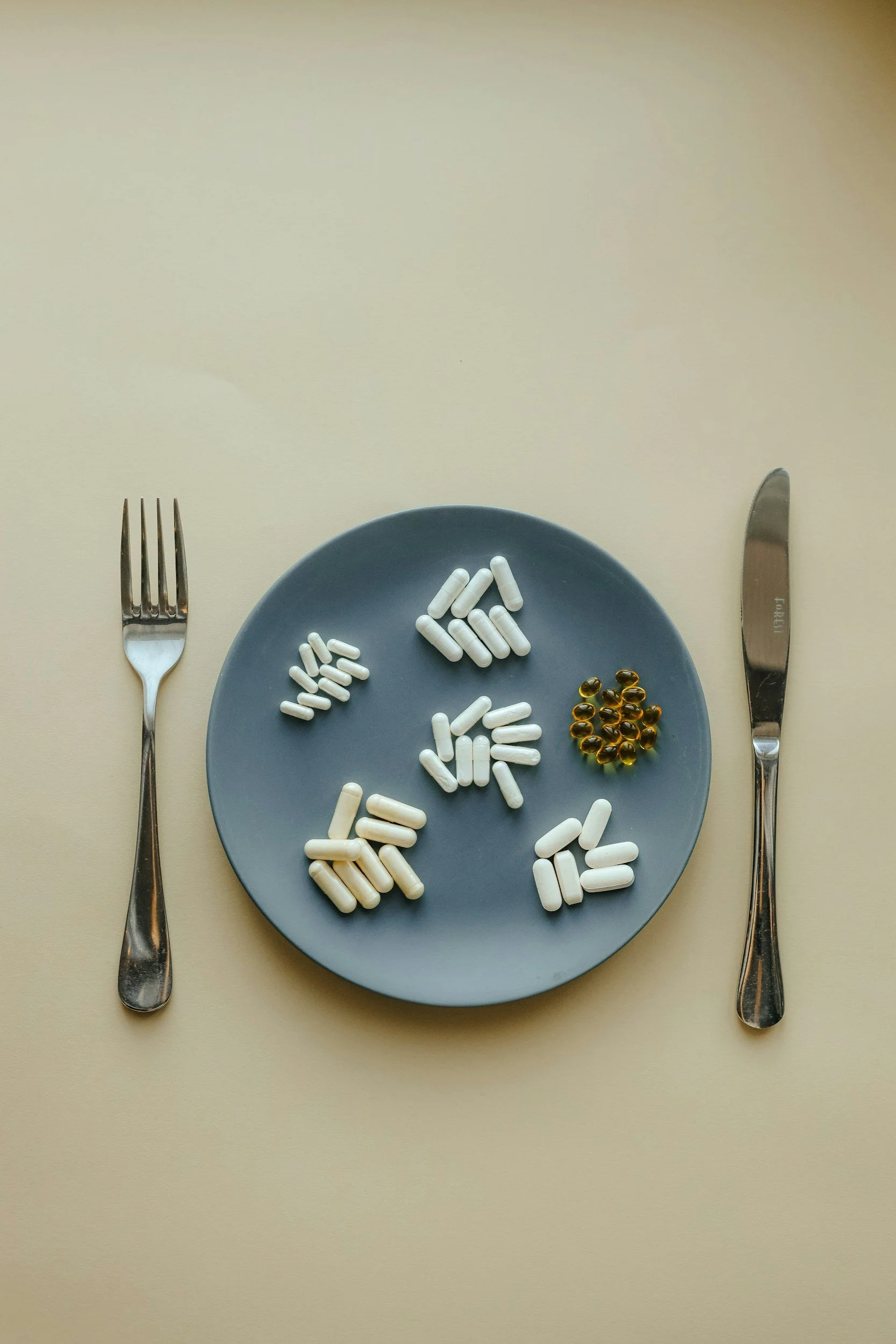
The good news is that you do not need a cabinet overflowing with dozens of trendy pills to feel your best. In fact, most nutritionists, functional medicine doctors, and clinical researchers agree that the vast majority of supplements on the market are unnecessary if you eat a balanced diet. However, due to modern farming practices, busy lifestyles, sub-zero winter temperatures, limited sunlight exposure, and individual dietary restrictions, certain key nutrients remain notoriously difficult to obtain from food alone during the cold season.
To help you cut through the noise and streamline your daily routine, we consulted top health professionals to identify the 5 supplements experts say are genuinely worth your money this fall and winter.
The Ground Rules of Smart Supplementation
Before introducing new pills or powders into your daily regimen, it is crucial to establish a foundational understanding of how supplementation works. Supplements are designed to do exactly what their name implies: supplement a healthy lifestyle, not replace it. No capsule can undo the effects of chronic sleep deprivation, a diet high in processed foods, or unmanaged seasonal stress.

When evaluating any dietary supplement, medical professionals recommend keeping three essential guidelines in mind:
Prioritize Food First: Whole foods contain a complex matrix of vitamins, minerals, fiber, and phytonutrients that work synergistically together. Always aim to get as much nutrition as possible from colorful winter squashes, leafy greens, clean proteins, healthy fats, and whole grains.
Look for Third-Party Testing: Because the supplement industry is not strictly regulated by the FDA in the same way prescription medications are, quality varies wildly between brands. Always select products that carry third-party certification stamps from reputable independent testing organizations such as USP, NSF International, or ConsumerLab. These seals verify that what is listed on the label is actually inside the bottle and free from harmful contaminants.
Consult Your Healthcare Provider: Nutrient needs are highly individualized. What works wonders for your friend or favorite influencer might not be suitable for you, especially if you have underlying medical conditions or take prescription medications. Always speak with your doctor or registered dietitian before starting a new regimen.
With those ground rules in place, let us explore the five backed-by-science supplements that health experts routinely recommend for the cold weather months.
SHOP THE EDIT



1. Vitamin D3: The Sunshine Vitamin Essential for Cold Months
If there is one supplement that doctors and dietitians universally agree on, particularly during fall and winter, it is Vitamin D3. Often dubbed the sunshine vitamin, Vitamin D is actually a fat-soluble hormone that plays a critical role in bone density, calcium absorption, immune system defense, muscle function, and mood regulation.
Our bodies naturally synthesize Vitamin D when our skin is exposed to direct ultraviolet B rays from sunlight. However, as fall arrives and gives way to dark, freezing winter days, our natural production plummets. Furthermore, because we spend significantly more time indoors, wear heavy coats, hats, and layers, and live through months of low-angle sunlight, widespread Vitamin D deficiency becomes an acute seasonal issue.
Extremely few foods naturally contain significant amounts of Vitamin D, making dietary sources like fatty fish, egg yolks, and fortified milk insufficient for maintaining optimal blood levels for most people throughout the cold season.
Why Experts Recommend It
Low levels of Vitamin D have been strongly linked to severe seasonal fatigue, weakened immune response against winter viruses, bone loss, and seasonal mood changes often referred to as the winter blues. Clinical studies show that supplementing with Vitamin D3—the form most naturally produced by the human body—helps maintain robust immune defenses, supports healthy bone mineral density, and keeps energy levels steady when outdoor sunlight is practically non-existent.
2. Omega-3 Fatty Acids: Essential Protection for Heart, Brain, and Dry Skin
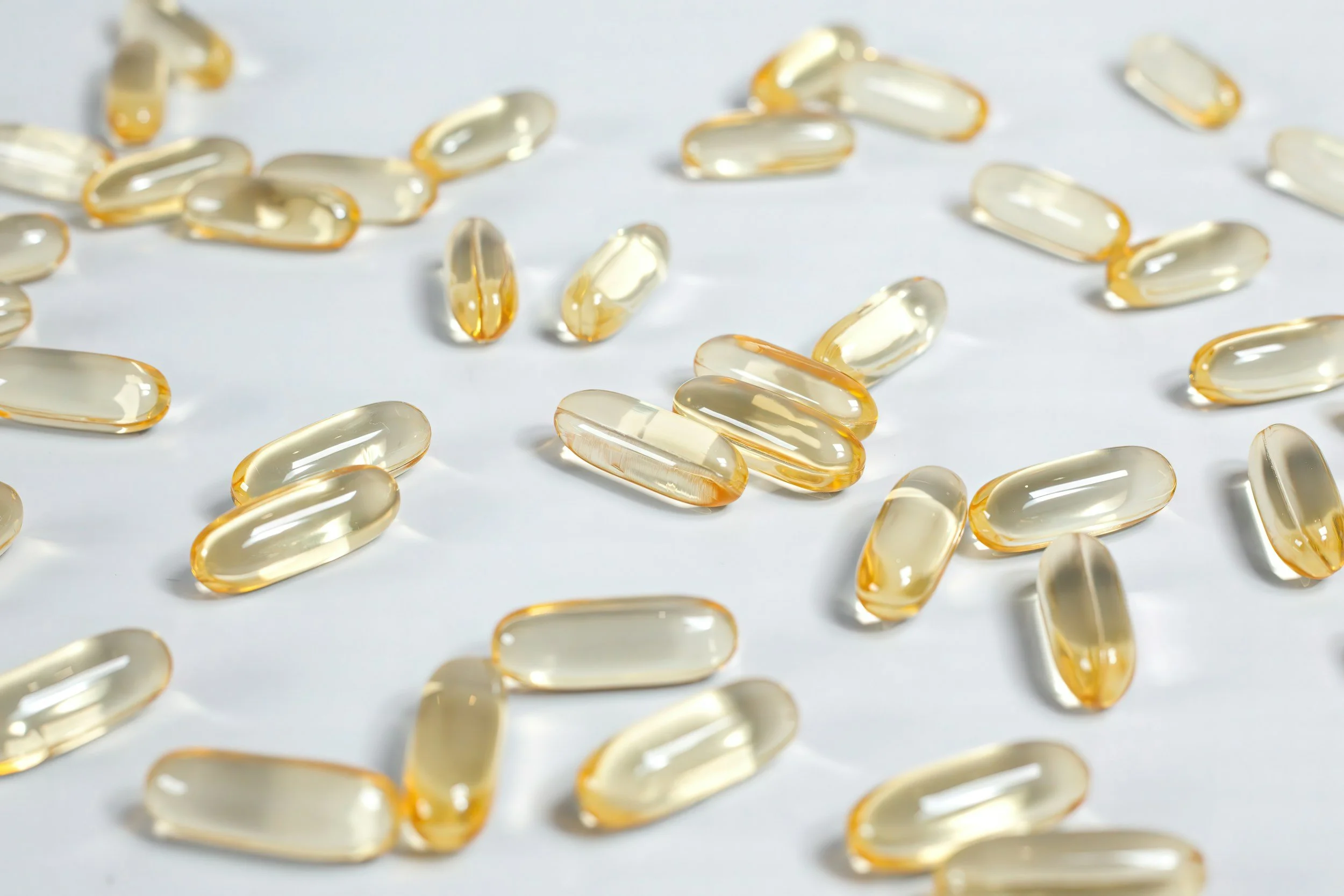
Omega-3 fatty acids, specifically EPA (eicosapentaenoic acid) and DHA (docosahexaenoic acid), are essential fats that your body cannot produce on its own. This means you must obtain them entirely through your diet or through targeted supplementation.
EPA and DHA are structural components of cell membranes throughout your body, with exceptionally high concentrations found in your brain and eyes. They serve as potent natural anti-inflammatory agents, supporting cardiovascular health, joint mobility, cognitive function, and skin barrier hydration.
While plant-based omega-3s like ALA (alpha-linolenic acid) are found in flaxseeds, chia seeds, and walnuts, the human body is notoriously inefficient at converting ALA into the active EPA and DHA forms that deliver profound health benefits. Unless you regularly consume wild-caught fatty fish like salmon, mackerel, sardines, and anchovies at least two to three times per week, chances are high that you are not reaching optimal omega-3 intake during winter.
Why Experts Recommend It
Modern diets tend to be overwhelmingly high in pro-inflammatory omega-6 fatty acids found in processed vegetable oils and low in anti-inflammatory omega-3s. Taking a high-quality fish oil or algae-derived omega-3 supplement helps restore a healthy inflammatory balance. Experts emphasize its ability to reduce triglyceride levels, protect brain health as we age, ease winter morning joint stiffness, and keep skin supple, plump, and hydrated against harsh indoor heating and freezing outdoor air.

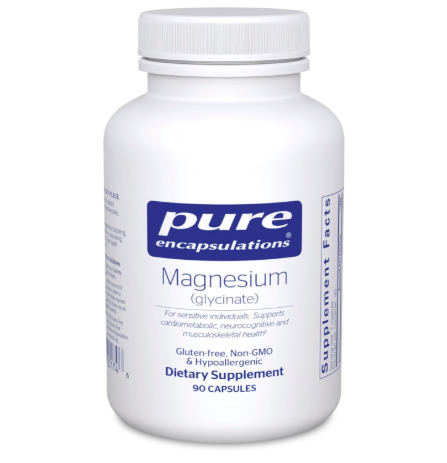
3. Magnesium: The Multitasking Mineral for Sleep and Stress Relief
Magnesium is a true powerhouse mineral involved in over three hundred enzymatic reactions within the human body. It helps regulate nerve function, muscle contractions, blood pressure, blood sugar levels, protein synthesis, and energy production. Despite its vital importance, studies suggest that more than half of the adult population falls short of the recommended daily intake.
Why is magnesium deficiency so widespread? Modern industrial farming techniques have depleted the mineral content of agricultural soil over time, meaning even fruits and vegetables contain lower magnesium levels than they did decades ago. Additionally, high stress levels, excessive caffeine consumption, alcohol, and refined winter comfort foods rapidly deplete the body’s magnesium reserves.
As hectic holiday schedules arrive and seasonal stress levels rise through fall and winter, supporting your body’s magnesium levels becomes a top priority.
Why Experts Recommend It
Nutrition experts frequently recommend magnesium because its benefits are almost immediately noticeable in daily life. It acts as a natural relaxant by binding to gamma-aminobutyric acid receptors in the brain, helping to quiet a racing mind, ease muscle tension, and promote deep, restorative sleep.
When shopping for magnesium, pay close attention to the form on the label. Magnesium glycinate is bound to the calming amino acid glycine, making it highly absorbable and gentle on the stomach—ideal for sleep support and easing winter anxiety. Magnesium citrate is helpful for gentle digestive regularity, while magnesium L-threonate is celebrated for its unique ability to cross the blood-brain barrier and support focus and memory.

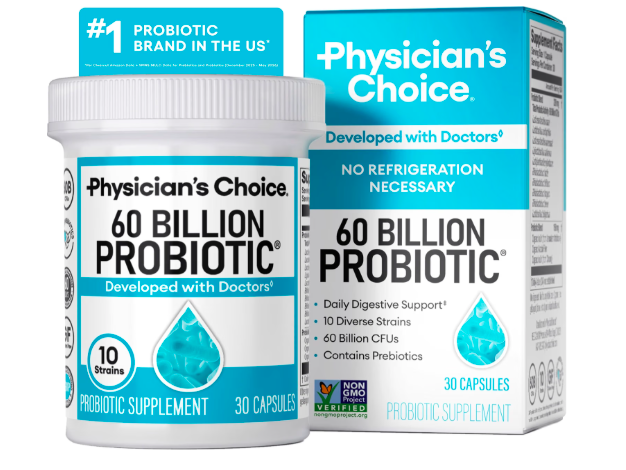
4. Probiotics: Gut Health, Digestion, and Cold-Weather Immunity
The conversation around health in recent years has increasingly focused on the human microbiome—the complex ecosystem of trillions of bacteria, fungi, and microbes residing in your digestive tract. Research continues to reveal that a healthy gut microbiome is central not only to proper digestion and nutrient absorption, but also to immune health, metabolic balance, skin clarity, and mental health via the gut-brain axis.
In fact, approximately seventy percent of your immune system resides directly in your gut tissue. When cold fall and winter weather arrives and airborne viral exposure peaks, maintaining a balanced, diverse gut flora becomes your primary line of defense.
Factors like antibiotic use, holiday stress, poor seasonal diets, and alcohol can disrupt this delicate microbial balance, leading to digestive discomfort, bloating, skin breakouts, and sluggish immune performance when you need it most.
Why Experts Recommend It
While consuming fermented foods like plain yogurt, kefir, sauerkraut, kimchi, and kombucha is a fantastic daily habit, a high-quality probiotic supplement provides concentrated, targeted strains of beneficial bacteria to reseed and fortify your gut.
Experts suggest choosing a broad-spectrum probiotic containing well-researched strains from the Lactobacillus and Bifidobacterium families. Look for products that guarantee live cultures through the expiration date—not just at the time of manufacture—and consider delayed-release capsules designed to survive harsh stomach acid so the beneficial bacteria arrive safely in your intestines to protect you all winter long.
5. Vitamin C: The Classic Cold-Season Antioxidant Shield
Vitamin C is perhaps the most famous vitamin on the planet, but its reputation as a reliable winter staple is well deserved. As a powerful water-soluble antioxidant, Vitamin C protects your cells from oxidative stress caused by free radicals, supports white blood cell production, and plays an indispensable role in collagen synthesis for healthy skin, joints, and blood vessels.
Unlike most animals, humans lack the biological ability to synthesize Vitamin C internally, meaning we rely entirely on daily intake from food and supplements. Because Vitamin C is water-soluble, your body does not store large reserves of it; excess amounts are simply excreted, making consistent daily replenishment essential throughout fall and winter.
During the cold months, when fresh local berries and summer fruits are out of season and seasonal sniffles peak, ensuring adequate Vitamin C intake provides an easy, reliable health boost.
Why Experts Recommend It
While Vitamin C may not completely prevent you from catching a seasonal bug, extensive clinical research shows that maintaining optimal Vitamin C levels can shorten the duration and lessen the severity of common cold-weather illnesses. Furthermore, its crucial role in collagen production makes it a fantastic ally for maintaining firm, healthy skin barrier function when freezing winds threaten to strip moisture from your face.
If you struggle with sensitive stomach reactions to traditional ascorbic acid, experts recommend looking for buffered Vitamin C formulas or liposomal delivery systems that enhance absorption while being gentle on the digestive tract.

How to Build an Effective Daily Fall and Winter Supplement Routine
Now that you know which five supplements are truly worth investing in, timing and consistency are key to maximizing their absorption and benefits throughout the cold season. Here is a simple, expert-approved framework for organizing your daily routine:
Morning Routine with Breakfast
Vitamin D3: Take alongside a meal containing healthy fats (such as eggs, avocado, or nut butter) to maximize absorption, as Vitamin D is fat-soluble.
Probiotics: Take first thing in the morning with water or alongside a light breakfast to help the beneficial bacteria settle into your digestive system smoothly.
Vitamin C: Take with your morning meal to boost energy, support immune health, and assist with plant-based iron absorption from your winter breakfast foods.
Afternoon or Evening Routine with Dinner
Omega-3 Fatty Acids: Take alongside your largest meal of the day containing healthy fats. Taking fish oil with food significantly reduces the likelihood of experiencing any fishy aftertaste or digestive upset.
Magnesium: Take approximately thirty to sixty minutes before bedtime. Taking magnesium in the evening leverages its natural muscle-relaxing and brain-calming properties to prepare your body for deep, restful sleep on cold nights.

Focus on Foundations for Long-Term Winter Wellness
Navigating the wellness landscape does not require falling for every flashy trend or spending small fortunes on unproven powders. By filtering out the noise and focusing on science-backed essentials, you can build a streamlined, highly effective supplement routine that genuinely supports your body through the toughest weather of the year.
Vitamin D3, Omega-3 fatty acids, Magnesium, Probiotics, and Vitamin C represent the golden standard of evidence-based supplementation. When paired with a nutrient-dense diet rich in whole foods, adequate hydration, regular movement, and quality sleep, these five staples will help you feel vibrant, resilient, and fully energized all fall and winter long.
Which of these expert-recommended supplements is already part of your daily cold-weather routine?
HigherDOSE Infrared Sauna Blanket Review: Recovery Benefits, Heating Speed, and Maintenance