The Rosie Home Edit contains affiliate links. If you make a purchase through these links, we may receive a commission. Thank you for supporting the work we do to curate this space.
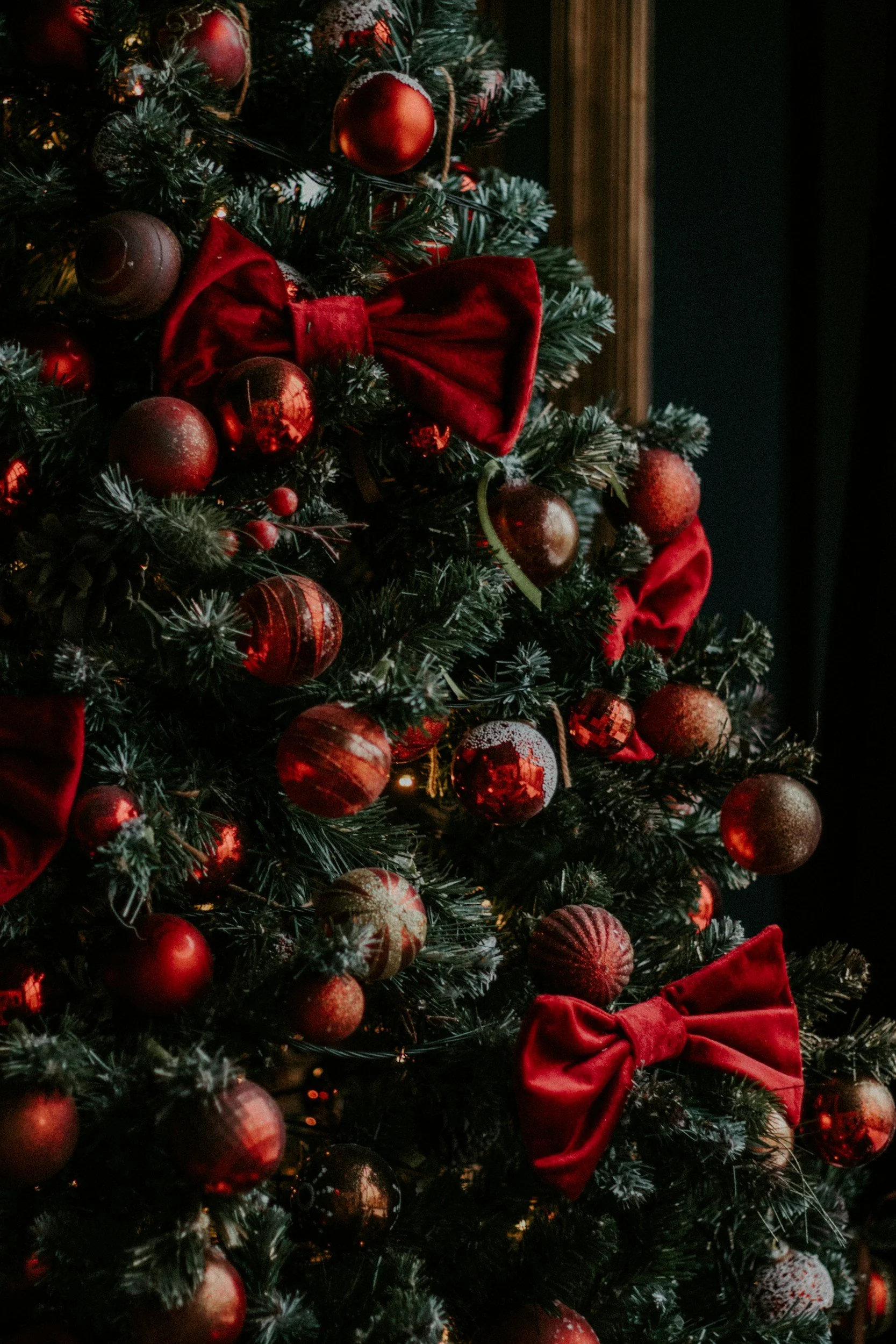
Few design moments carry the emotional weight and visual splendor of trimming the Christmas tree. It is the glowing, aromatic centerpiece of the holiday home, acting as a beacon of warmth, tradition, and personal style.
As late fall draws to a close and winter settles in, the anticipation of bringing out boxes of glittering baubles and fragrant greenery brings an undeniable sense of joy to design enthusiasts everywhere.
However, moving from a haphazard assortment of mismatched decorations to a cohesive, magazine-worthy showpiece requires a thoughtful curation of textures, colors, and architectural shapes.
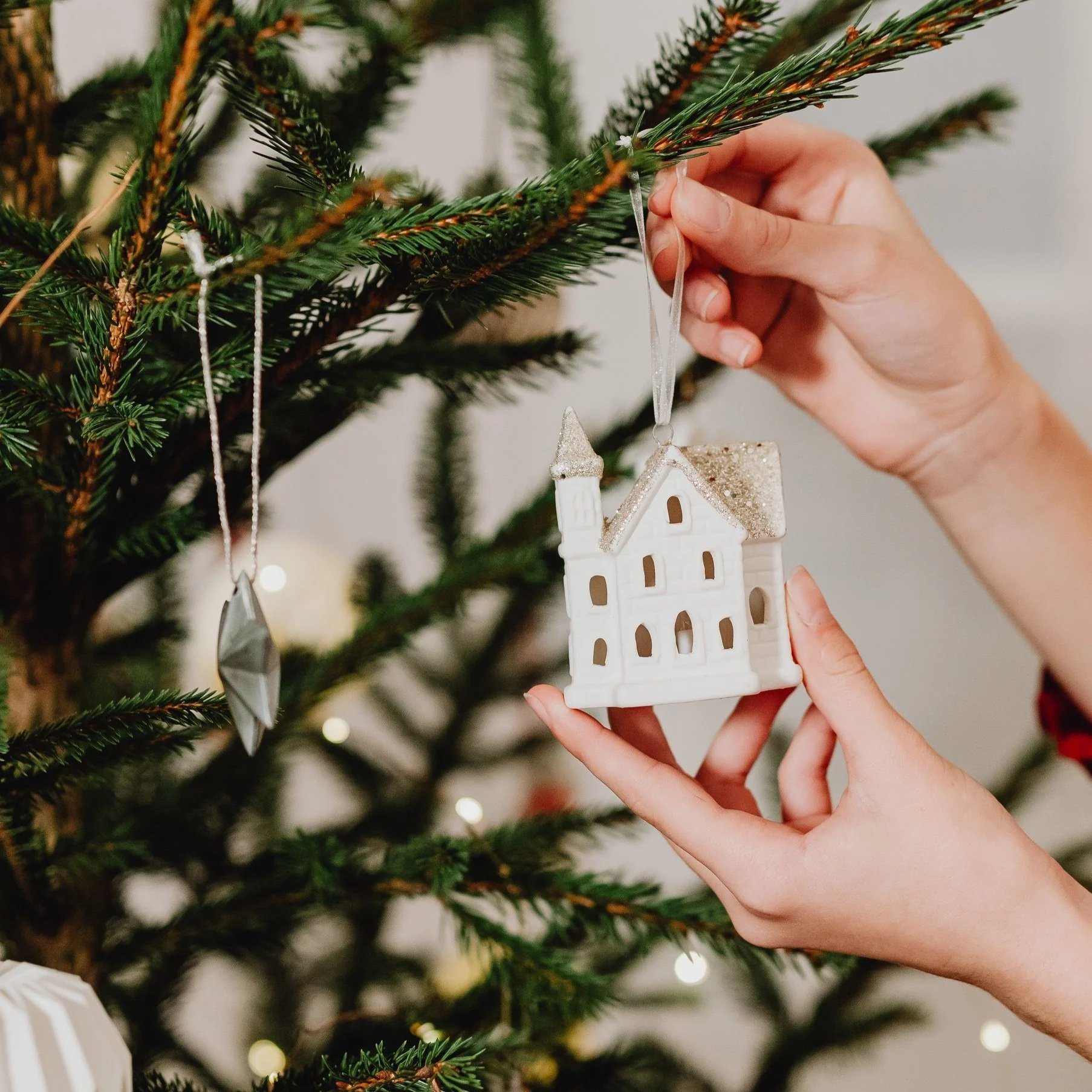
Decorating a Christmas tree is an art form rooted in balance, contrast, and depth. This season, design trends are shifting away from rigid, overly commercial themes in favor of tactile luxury, historical nods, and organic modern elegance.
Whether you are starting fresh with a brand-new design vision or looking to elevate your existing heirloom collection with a few key trend-forward additions, this definitive edit covers the finest ornament styles, garland draping techniques, and grounding base covers for the season.
✦ AT A GLANCE
The Christmas Tree Edit: 2026 Aesthetics
• Key Aesthetic: Nostalgic Minimalism & Velvet Accents
• Garlands: Draped Dried Floral, Wool, & Brass Chain
• Tree Skirts: Tailored Linen, Scalloped Jute, & Vintage Brass Collars
• Color Palette: Warm Amber, Deep Burgundy, & Antiqued Gold
The Evolution of the Festive Aesthetic
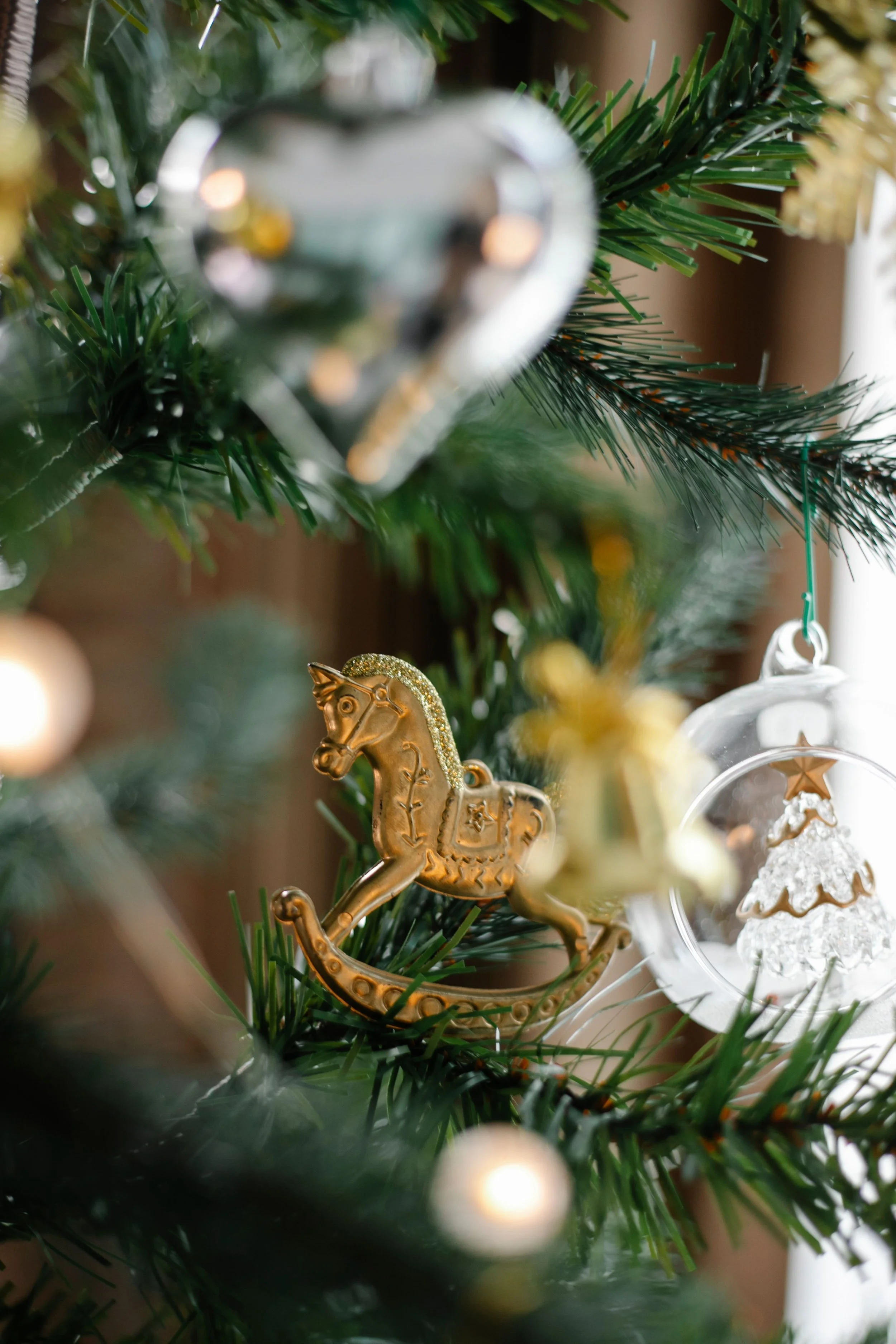
Over the past few years, holiday interiors have mirrored broader home design movements. We have seen a steady decline in ultra-bright plastic accents and cold, monochrome silver schemes. Today, homeowners seek comfort, nostalgia, and authentic craftsmanship. The current holiday mood prioritizes materials that feel good to the touch: mouth-blown glass, weathered brass, heavy silk velvet, raw linen, and natural wood.
By focusing on high-quality materials rather than fleeting gimmicks, you create a design framework that feels deeply intentional. Designing a breathtaking tree is less about following a strict set of rules and more about understanding how light, scale, and texture interact within the boughs of evergreen branches.
How do you build a multi-layered design that feels both professionally styled and comfortably lived-in? It begins with the most expressive layer: your ornaments.
SHOP THE EDIT
Part 1: The Top Ornament Trends for the Season
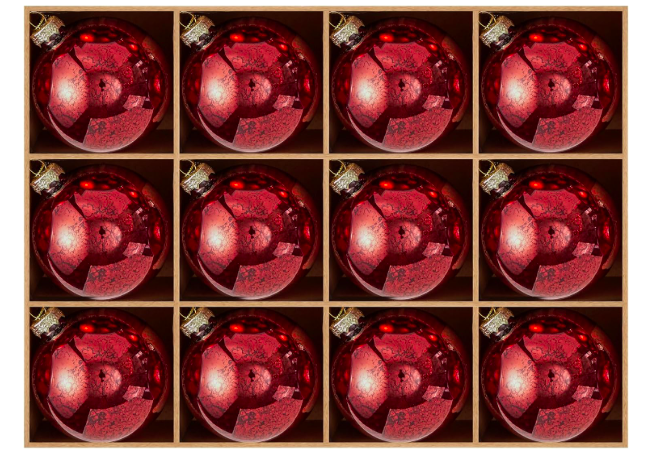
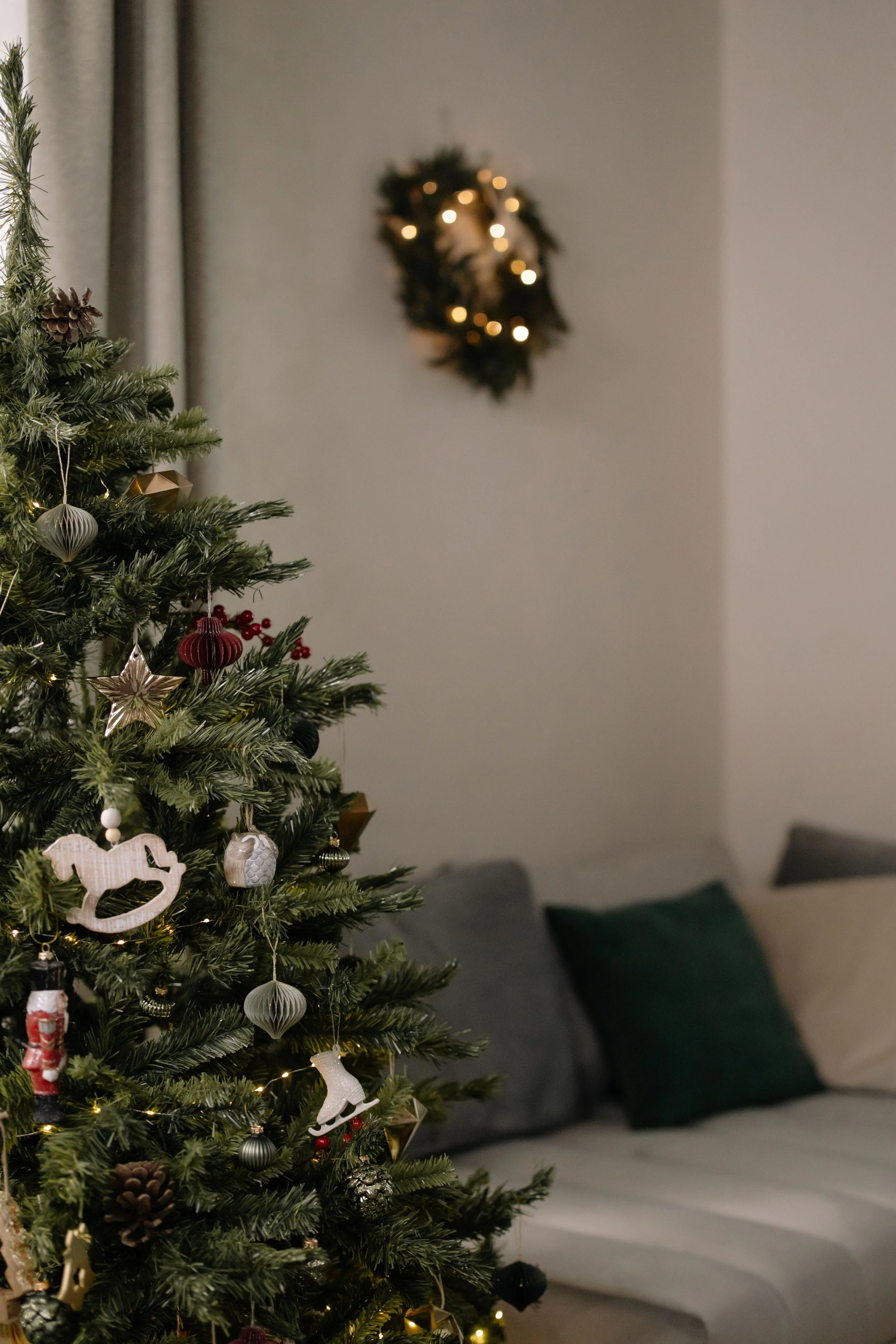
Ornaments serve as the jewelry of your Christmas tree. They catch the warm glow of fairy lights, add structural interest, and provide the narrative heart of your overall design scheme. This season, four distinct ornament trends are dominating interior design circles, offering a dynamic mix of vintage charm and understated modern luxury.
1. Matte Terracotta and Earthy Ceramic Baubles
The warm, grounding color palettes that defined home decor throughout the spring and fall seasons have officially found a home on the holiday tree. Matte ceramic, unglazed clay, and terracotta ornaments are replacing high-gloss plastic finishes. These baubles introduce a soft, chalky texture that absorbs light rather than reflecting it, creating a quiet contrast against glossy evergreen needles.
Look for hand-thrown ceramic drops, geometric clay disks, and spherical ornaments painted in warm sienna, creamy oat, muted olive, and dusty rose. Interspersing these matte surfaces among traditional glass ornaments adds an instant layer of modern organic sophistication.
2. Vintage-Inspired Mercury Glass and Fluted Finials
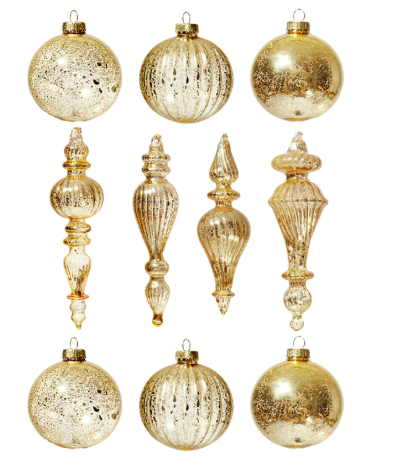
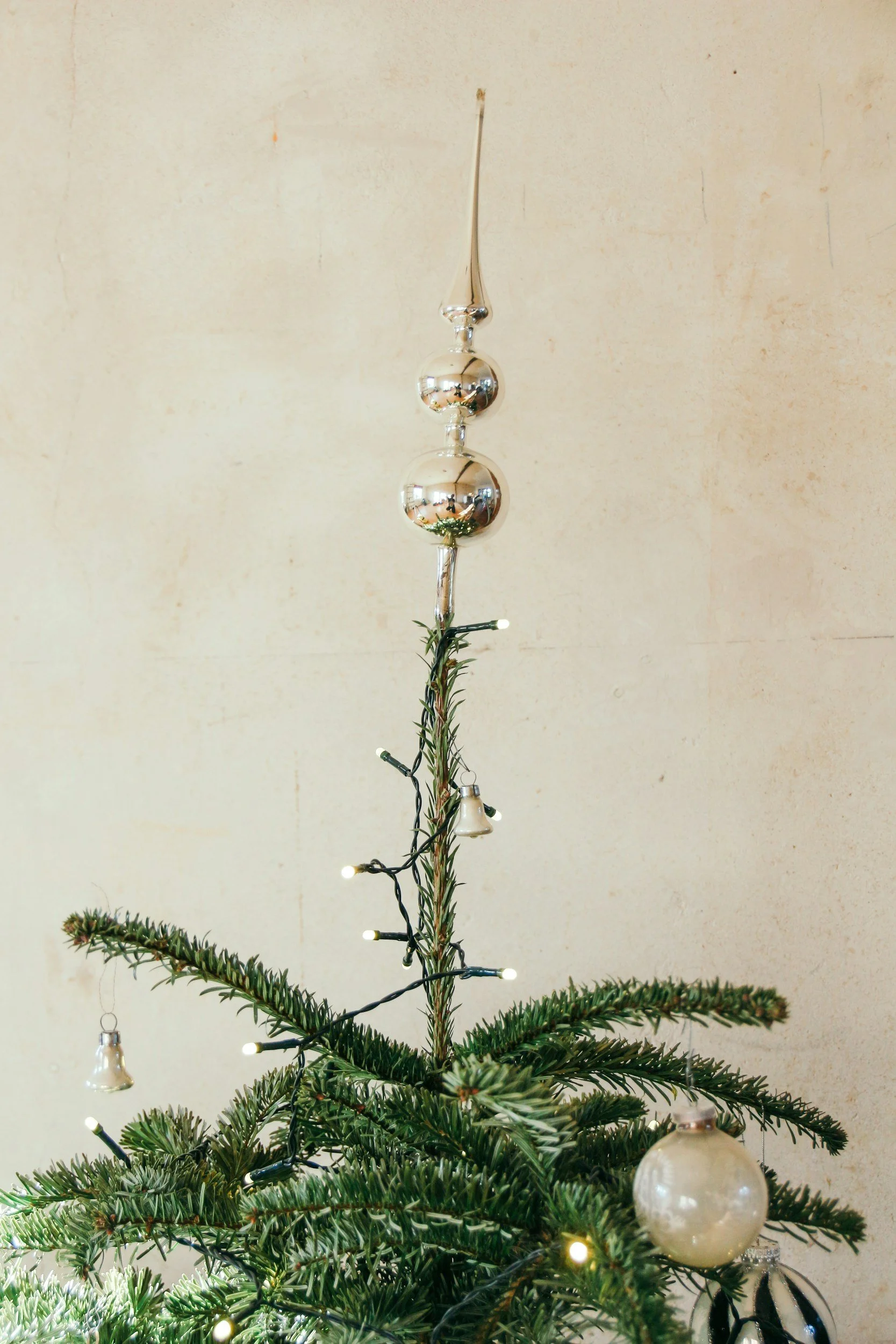
Nostalgia remains one of the strongest emotional drivers during the holidays. This season marks a major resurgence of Victorian and mid-century glassmaking techniques. Mercury glass ornaments featuring aged patina, antiqued gold leafing, and delicate silvering bring a time-tested grandeur to the tree.
Rather than sticking purely to round balls, expand your silhouette palette with dramatic fluted finials, elongated teardrops, and deeply ribbed glass ornaments. When illuminated from behind by string lights, ribbed and fluted glass refracts light in mesmerizing patterns, making the inner core of your tree feel luminous and expansive.
3. Velvet-Flocked and Textile-Wrapped Ornaments
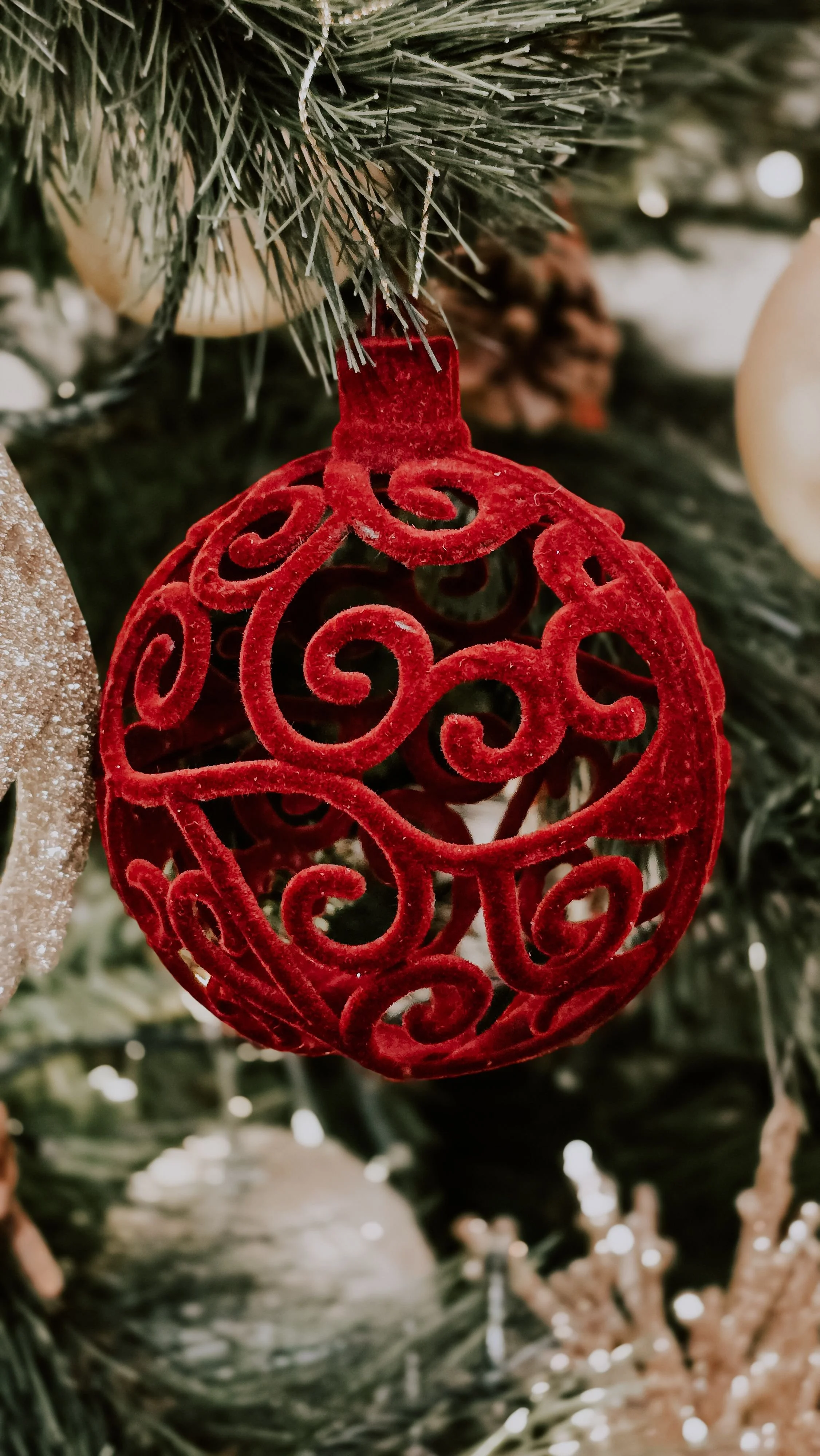
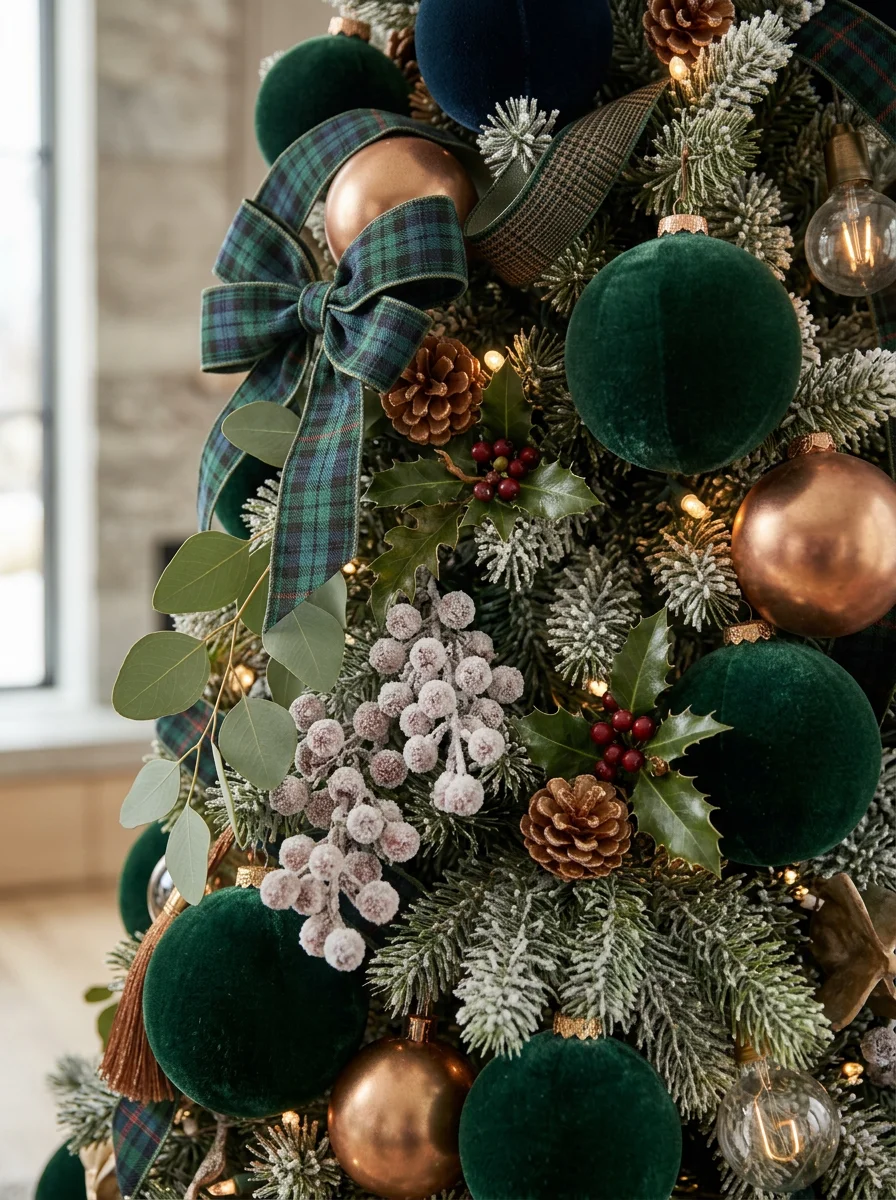
Texture is the primary secret weapon of high-end interior designers. Velvet-flocked glass ornaments in deep jewel tones—such as midnight spruce, rich plum, midnight blue, and burnt espresso—introduce an unexpected softness to sharp pine boughs.
Textile-wrapped ornaments work exceptionally well alongside natural wooden accents. Their matte, light-absorbing pile brings a sense of warmth and cozy luxury that immediately draws people closer to inspect the branches.
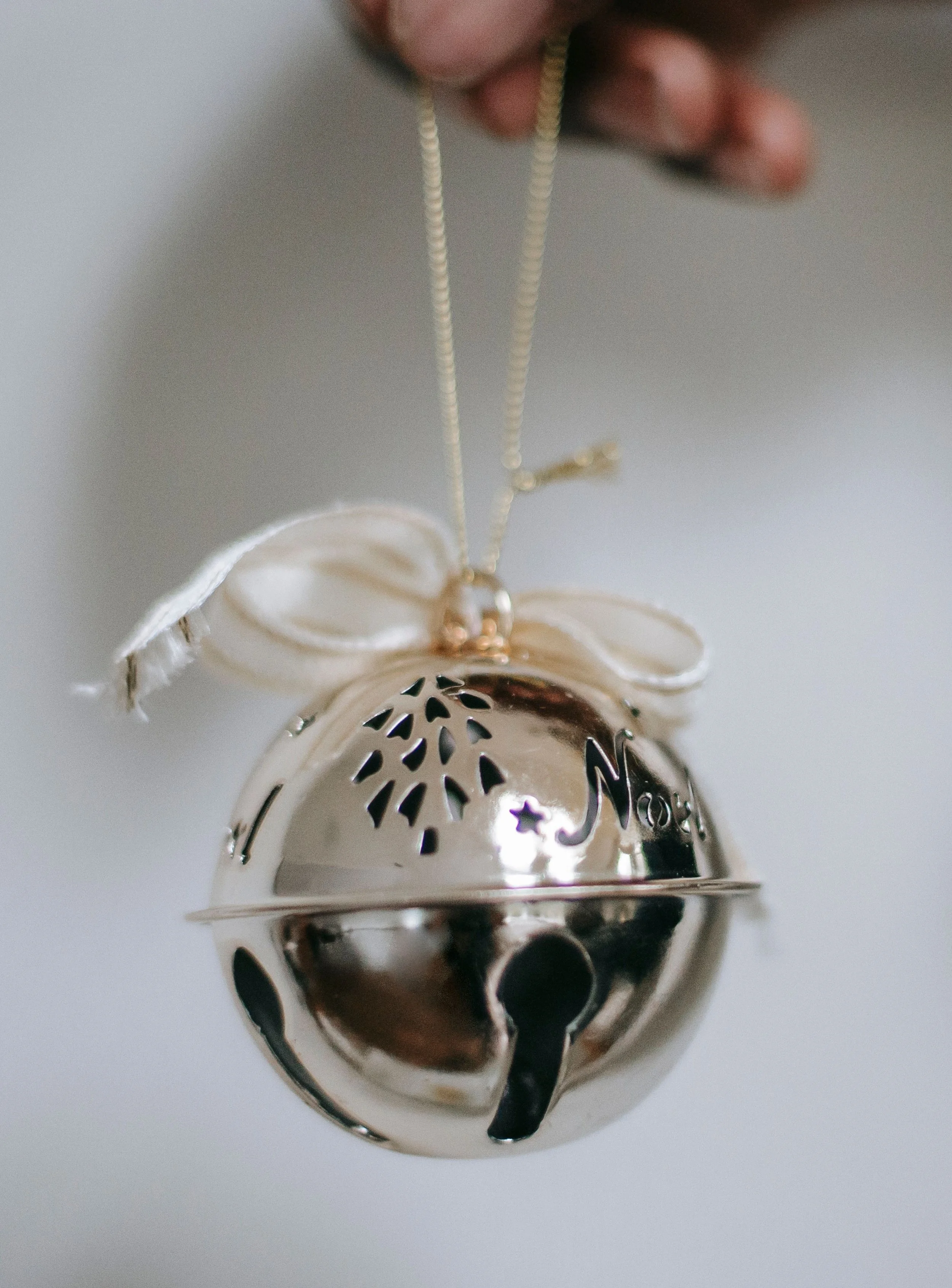
4. Sculptural Antiqued Brass and Locket Accents
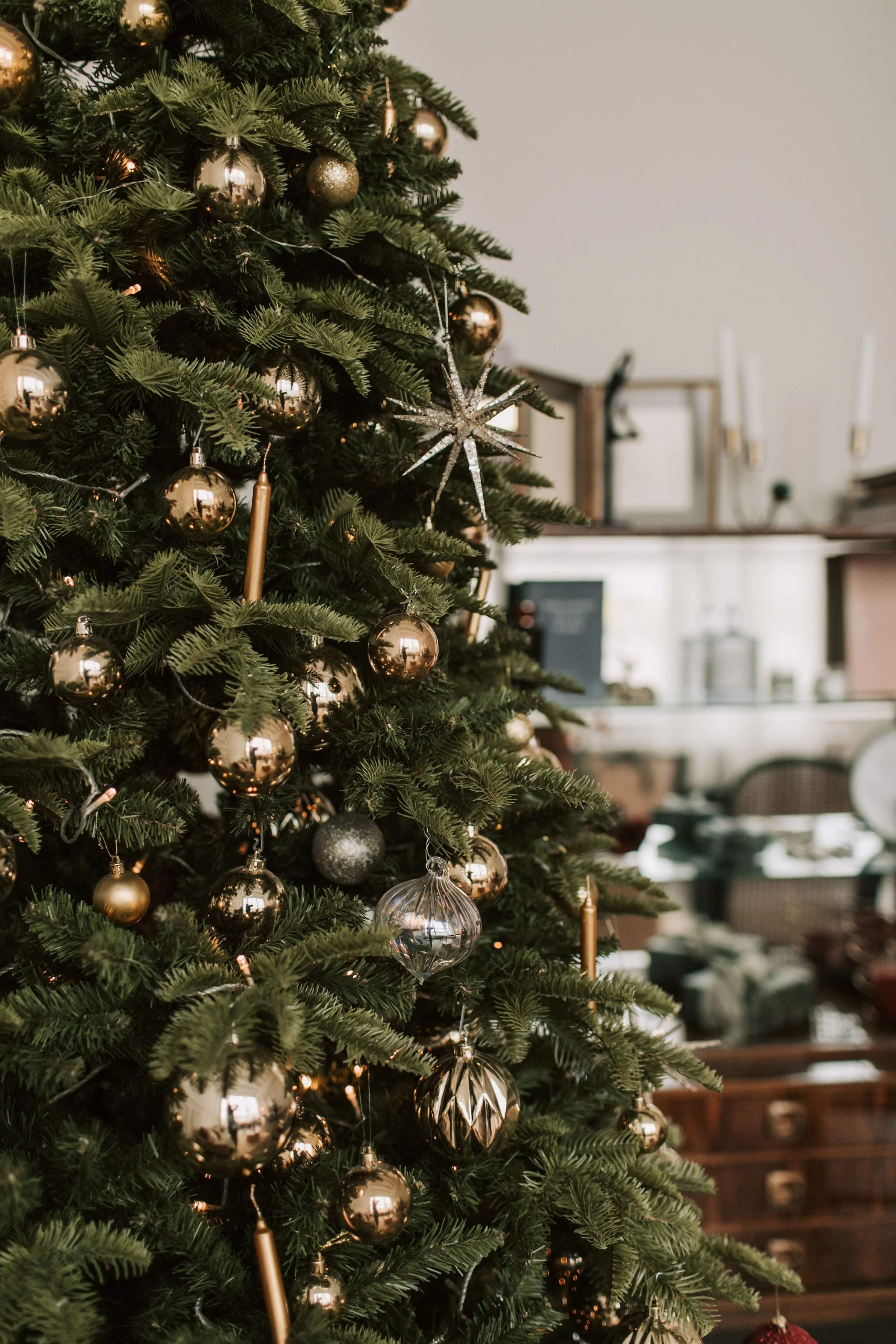
Metallic elements are essential for casting a cozy holiday glow, but bright, mirror-like chrome can often feel cold and industrial. The trend for brass this year favors hand-hammered surfaces, brushed finishes, and aged bronze patinas.
Look for delicate brass stars, pressed-metal botanical leaves, geometric wire structures, and vintage-style metal jingle bells. Hanging small brass ornaments near the tips of tree branches ensures they sway gently with the room's air currents, catching flickers of candlelight and ambient lamps.
Part 2: Garland Styles and Draping Techniques
If ornaments are the jewelry of the tree, garlands serve as the sweeping gown that connects every element together. Garland provides horizontal rhythm, breaking up the vertical line of the trunk and guiding the eye seamlessly from the crown down to the base.
Many decorators struggle with garland placement, often winding it too tightly around the exterior or letting it drop unevenly. Mastering the selection and draping of your garland will instantly elevate your tree from ordinary to extraordinary.
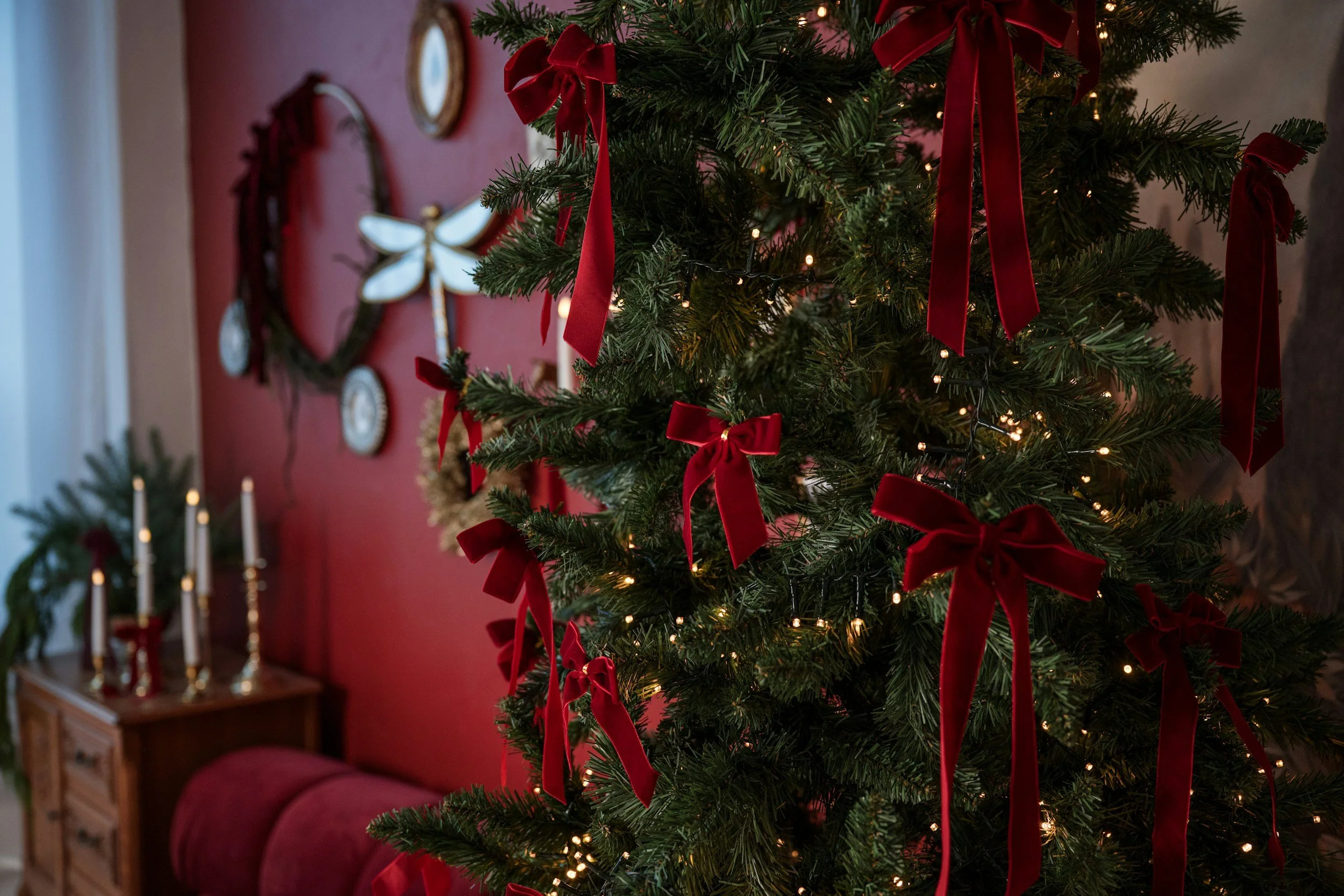
1. Oversized Velvet and Silk Satin Ribbons
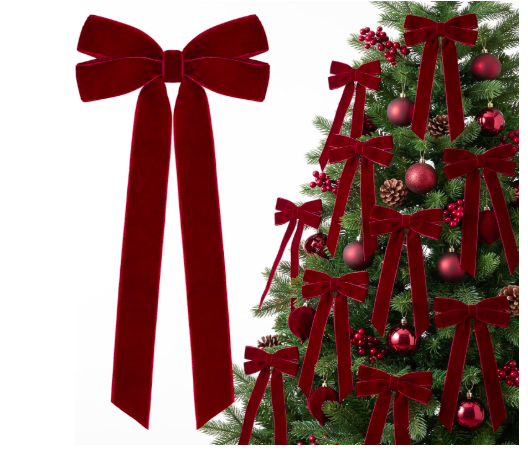
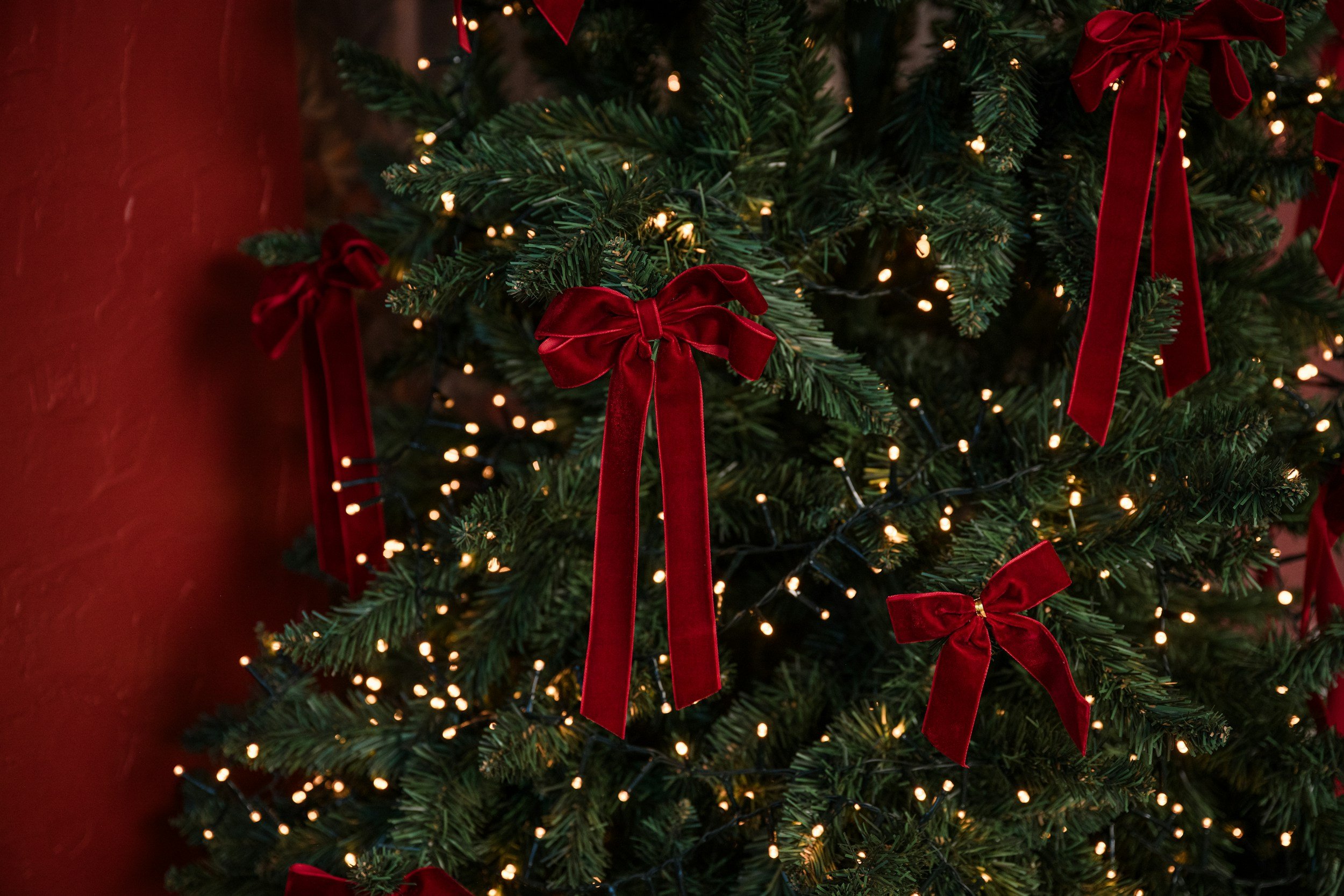
Using wide fabric ribbons as garland is one of the most versatile techniques in holiday styling. Instead of cheap, stiff-wired craft ribbon, design experts are turning to wide, double-faced silk velvet or liquid silk satin ribbons.
To achieve a modern, graceful drape, avoid wrapping ribbon spirally down the tree like a barber pole. Instead, employ the waterfall draping technique.
Cut your velvet ribbon into individual three-to-four-foot strips. Anchor one end deep inside the central trunk near the top, then cascade the streamer outward and downward, tucking it gently into branches every twelve to eighteen inches before letting the tail fall naturally.
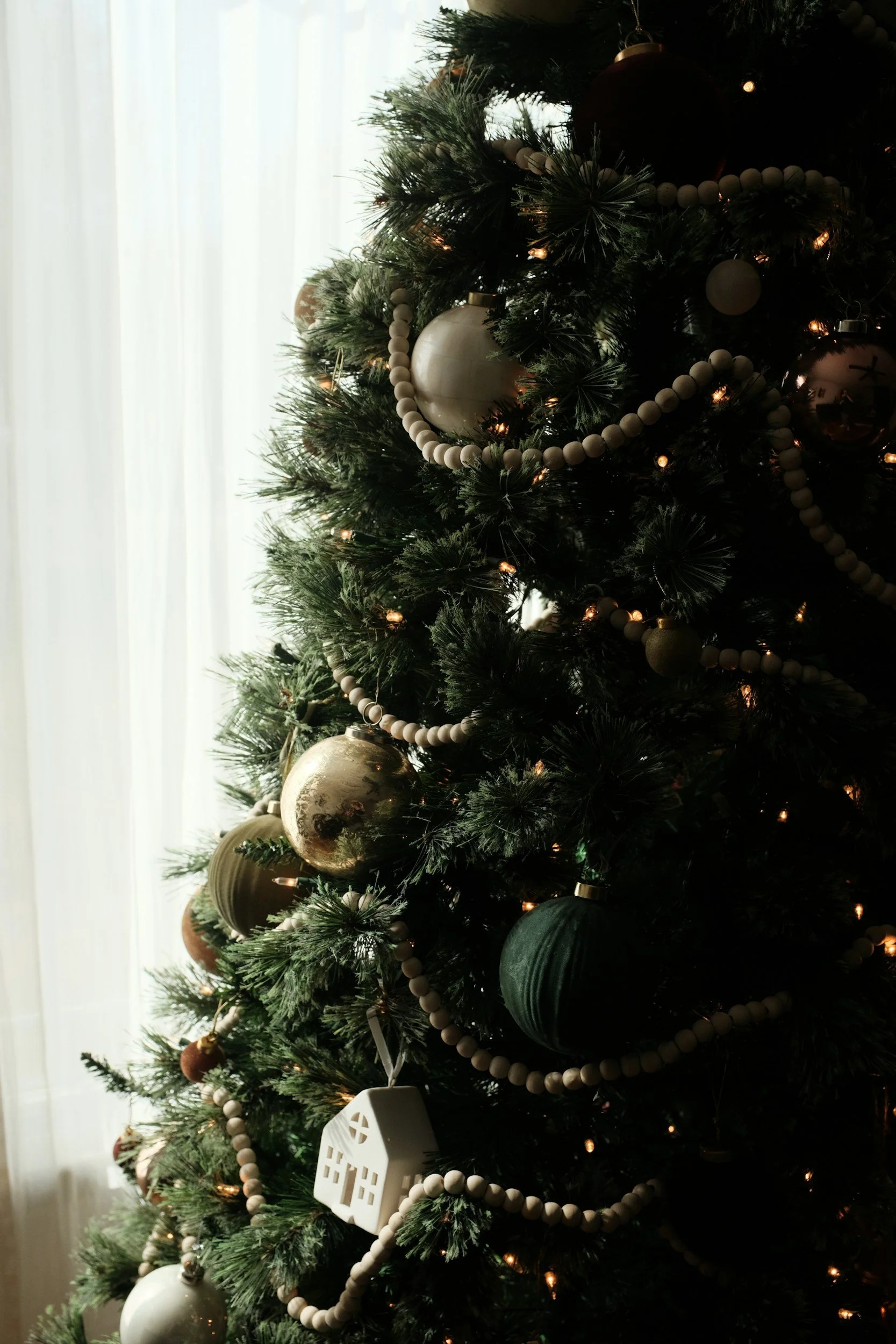
2. Wooden Bead and Carved Nutmeg Garlands
For homes leaning into Scandinavian, rustic, or organic modern architecture, raw wooden garlands offer clean structural simplicity. Unfinished pine beads, dark stained walnut spheres, or hand-carved nutmeg garlands introduce a sculptural rhythm that complements both real and high-end artificial trees.
When stringing wooden bead garlands, allow them to swoop in generous, deep arcs rather than pulling them taut. The natural weight of wood creates clean, satisfying catenary curves that visually widen the silhouette of your tree.
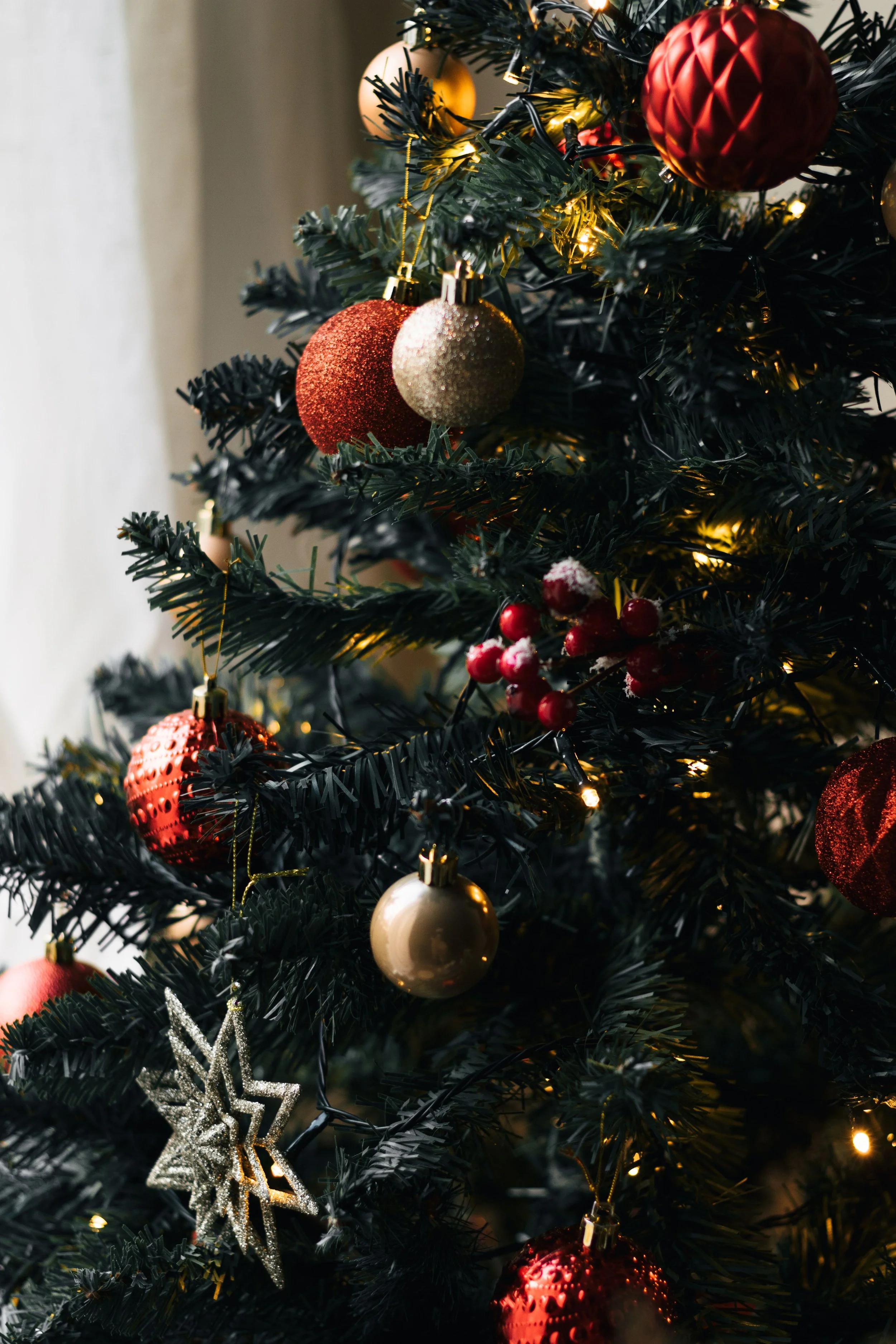
3. Delicate Brass Starburst and Stamped Botanical Chains
For a lighter, more ethereal look, micro-garlands made from delicate metal stampings are gaining immense popularity. These thin chains feature repeating brass stars, moon phases, oak leaves, or mistletoe sprigs connected by fine wire links.
Because metal chain star garlands are lightweight and subtle, they should be woven closer to the core of the tree rather than hung exclusively on outer tips. Nestling brass garlands deeper within the branches creates a magical layering effect, making the interior of the tree sparkle quietly behind your primary ornaments.
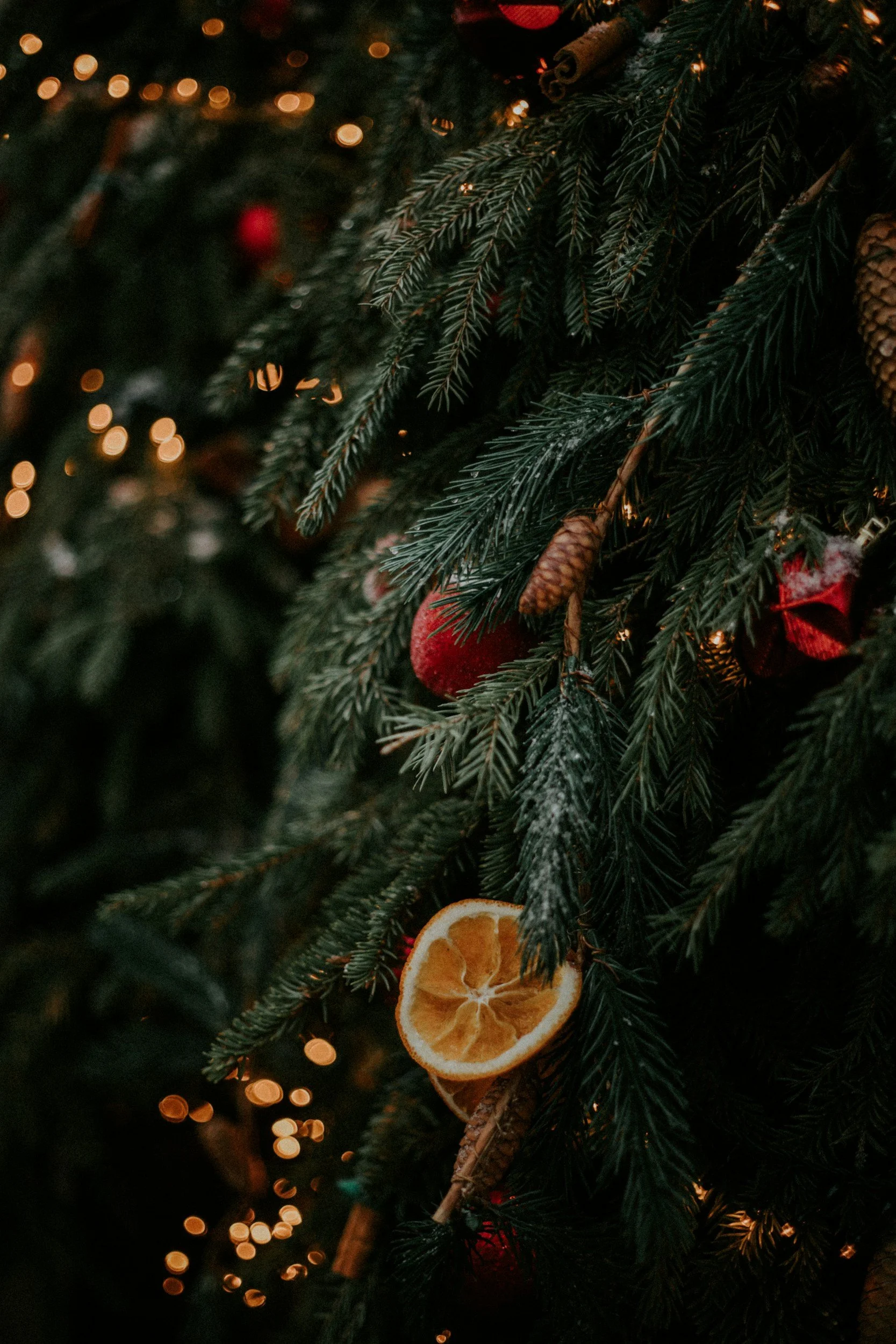
4. Dried Citrus and Botanical Strands
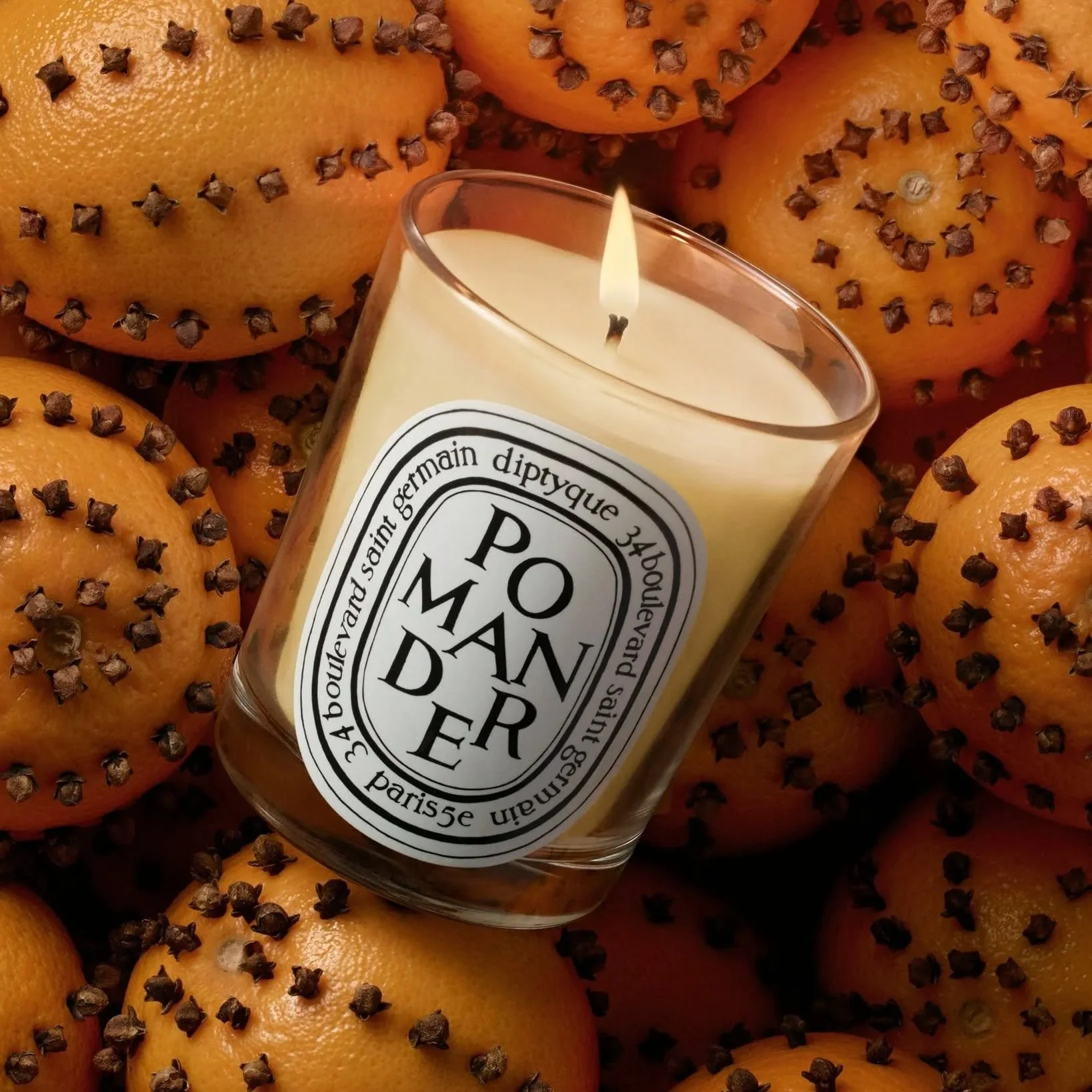
A lingering favorite from fall styling that carries beautifully into winter is the use of natural dried botanicals. Dehydrated blood orange slices, whole star anise, dried bay leaf strands, and preserved eucalyptus sprigs bring an authentic, old-world warmth to holiday decor.
The translucent orange and amber discs of dried citrus catch warm fairy lights like miniature stained-glass windows, infusing the room with a subtle, natural fragrance that complements the fresh scent of fir needles.
✦ If you are preparing your entryway for guest arrivals this season, explore our step-by-step guide on Console Table Styling: The Holiday & Winter Entryway Refresh for applying the rule of three with seasonal botanicals and brass accents.
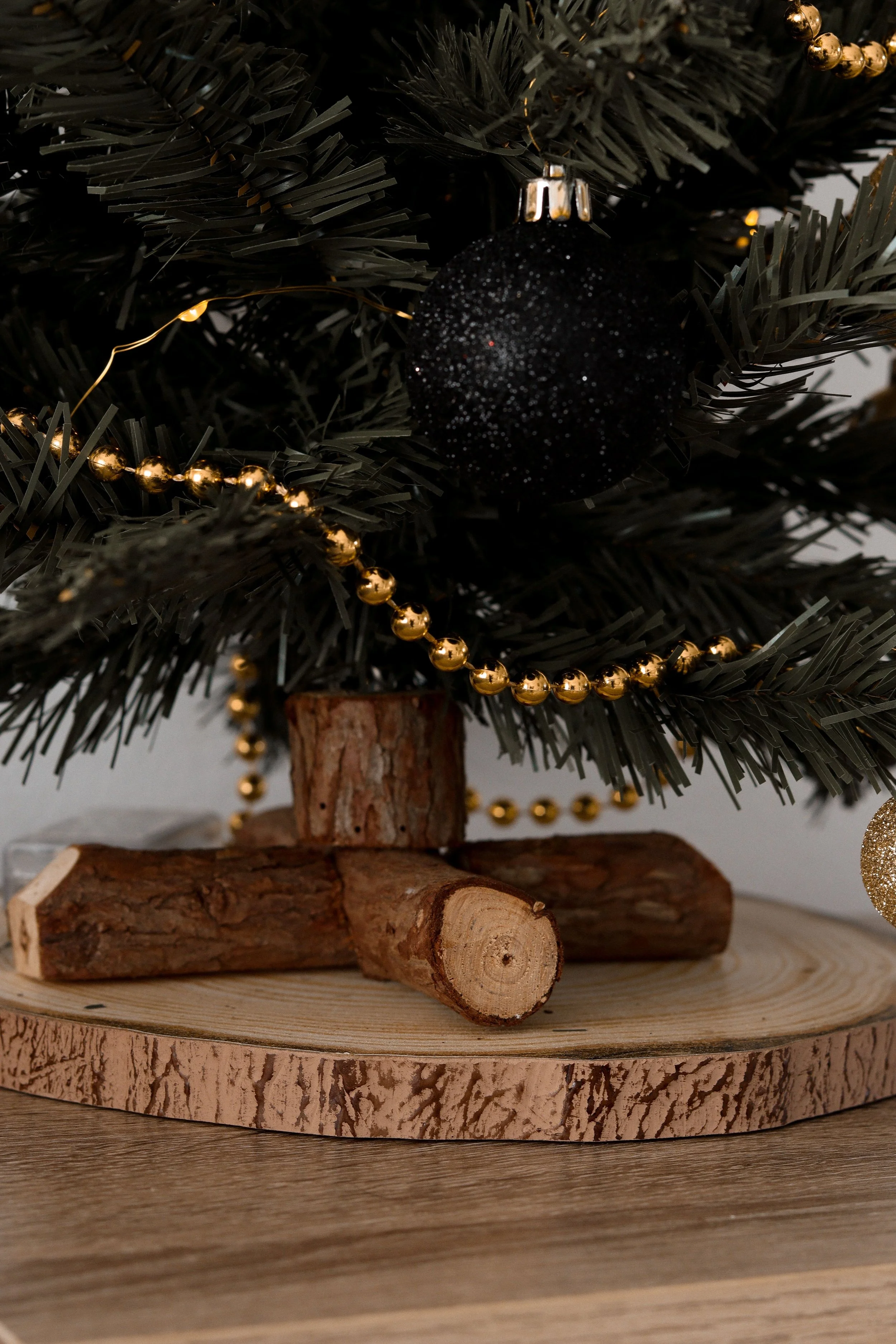
Part 3: Grounding the Base—Tree Skirts, Collars, and Baskets
The base of your Christmas tree is often an afterthought, yet it plays a critical structural role in finalizing your design. A messy tree stand or exposed plastic water reservoir completely breaks the visual magic you have worked hard to build across the upper branches.
Choosing the right foundation anchors the tree to your flooring material, balances the heavy visual mass of the decorated boughs above, and creates a clean canvas for displaying wrapped holiday packages.
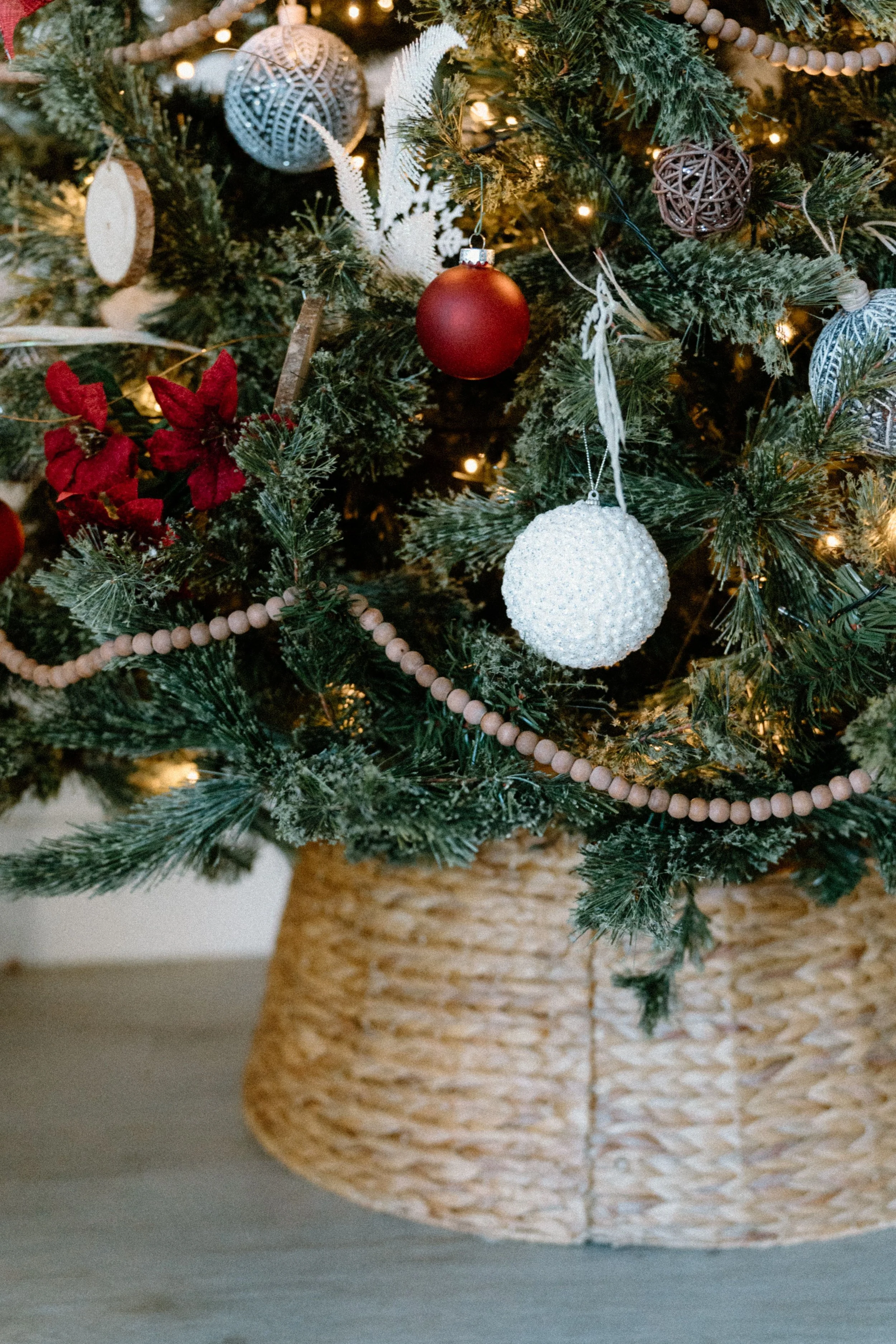
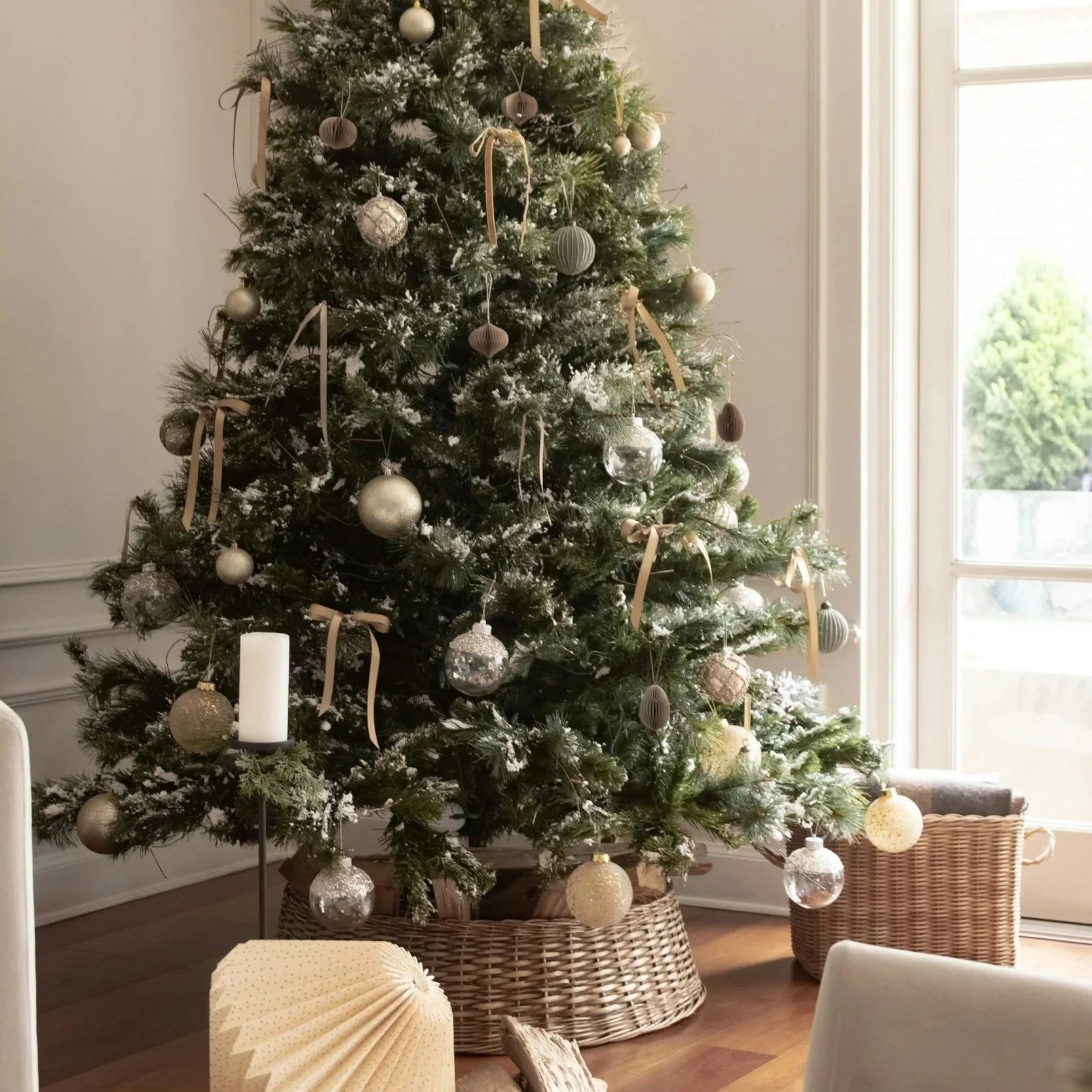
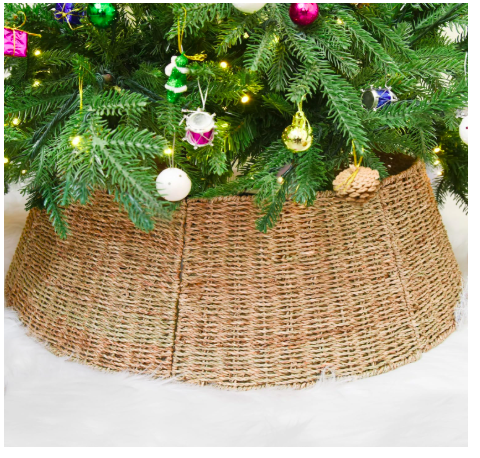
1. Hand-Woven Rattan and Seagrass Tree Collars
Tree collars have surpassed traditional fabric skirts in popularity over recent years, and for good reason. They provide a rigid, clean, architectural border that keeps pets from drinking stand water and prevents dropped needles from spreading across hardwood floors.
Hand-woven rattan, split cane, and thick seagrass collars bring an inviting, artisan texture to the floor. Their natural honey-brown and warm amber tones pair effortlessly with cream-colored rugs, stone hearths, and raw wood flooring.
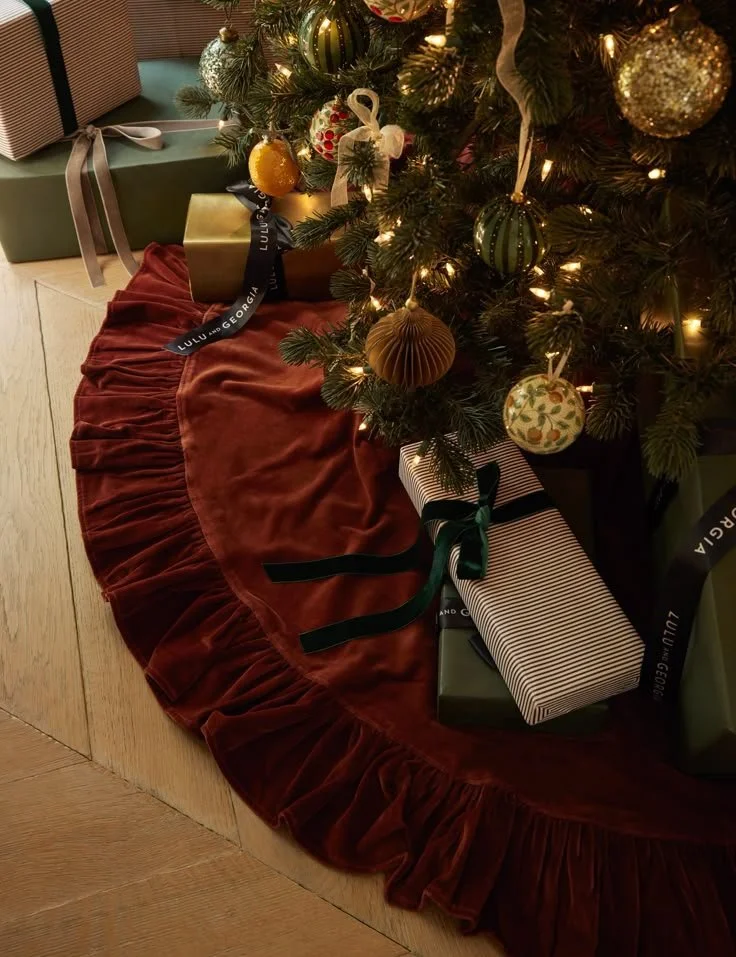
Image via Lulu and Georgia - Mauree Velvet Tree Skirt
2. Oversized Heavy Linen and Quilted Velvet Skirts
If you prefer a soft, sweeping puddling effect on the floor, step away from thin felt skirts with loud printed patterns. Instead, select heavy, un-dyed belgian linen or deeply quilted velvet tree skirts with simple tailored borders.
Choose a tree skirt diameter that extends at least six to twelve inches beyond the widest outer branches of your tree. This generous proportion creates a luxurious frame around the base, allowing the fabric to fold and drape rich shadows across your rug.
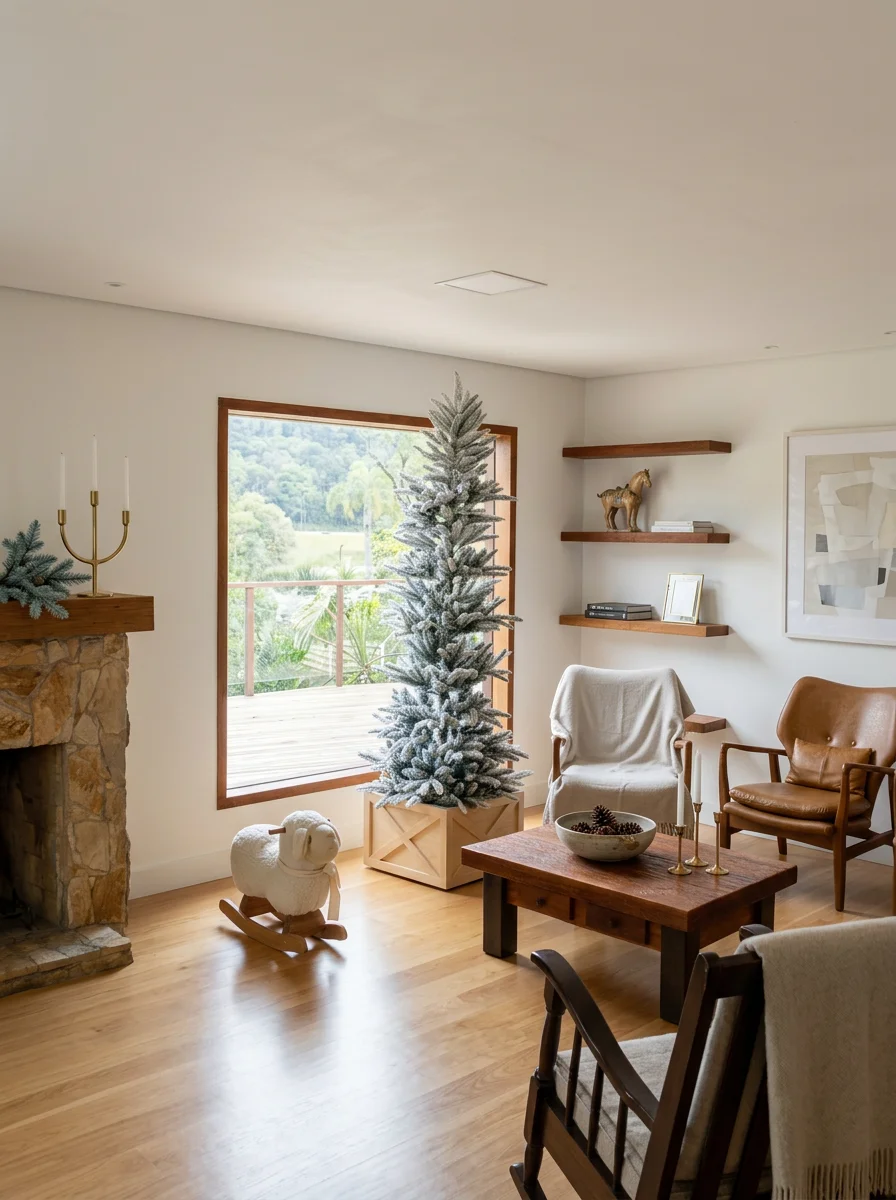
3. Repurposed Vintage Wooden Crate Structures
A rising trend among interior stylists is mounting the tree inside a substantial, historic wooden vessel. An antiqued wine crate, an authentic whiskey barrel base, or an aged zinc wash tub endows the tree with an immediate sense of history and permanent structure.
When using a wooden crate or bucket, place heavy stone pavers inside the base to stabilize the tree stand, ensuring the entire structure remains completely secure even when fully loaded with ornaments.
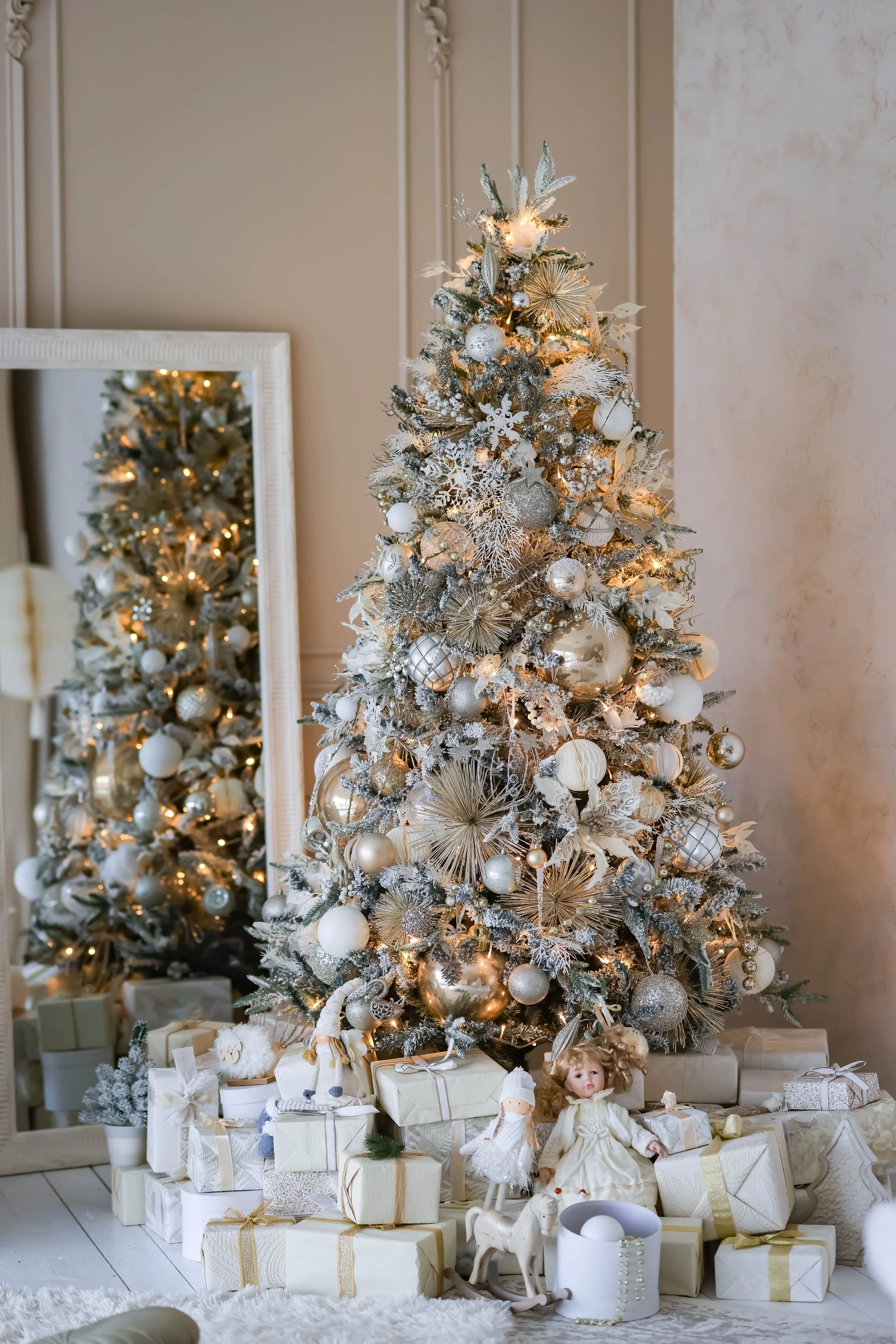
The Step-by-Step Layering Blueprint
Creating a perfectly balanced Christmas tree requires a deliberate sequence. Throwing ornaments on at random often leads to overcrowding in some spots and dark voids in others. Follow this step-by-step assembly framework to ensure flawless proportion, depth, and structural stability.
1.Begin by establishing your lighting foundation. Test every strand before placing it on the tree. Start from the base of the trunk and work your way up, wrapping lights tightly around the inner main branches first before working back toward the branch tips. This inner illumination creates dimensional depth, preventing your tree from looking flat.
2.Attach your garland or cascading ribbon. By installing your garland before hanging any glass, you avoid knocking delicate ornaments off branches as you maneuver heavy strings of beads or long velvet streamers across the tree.
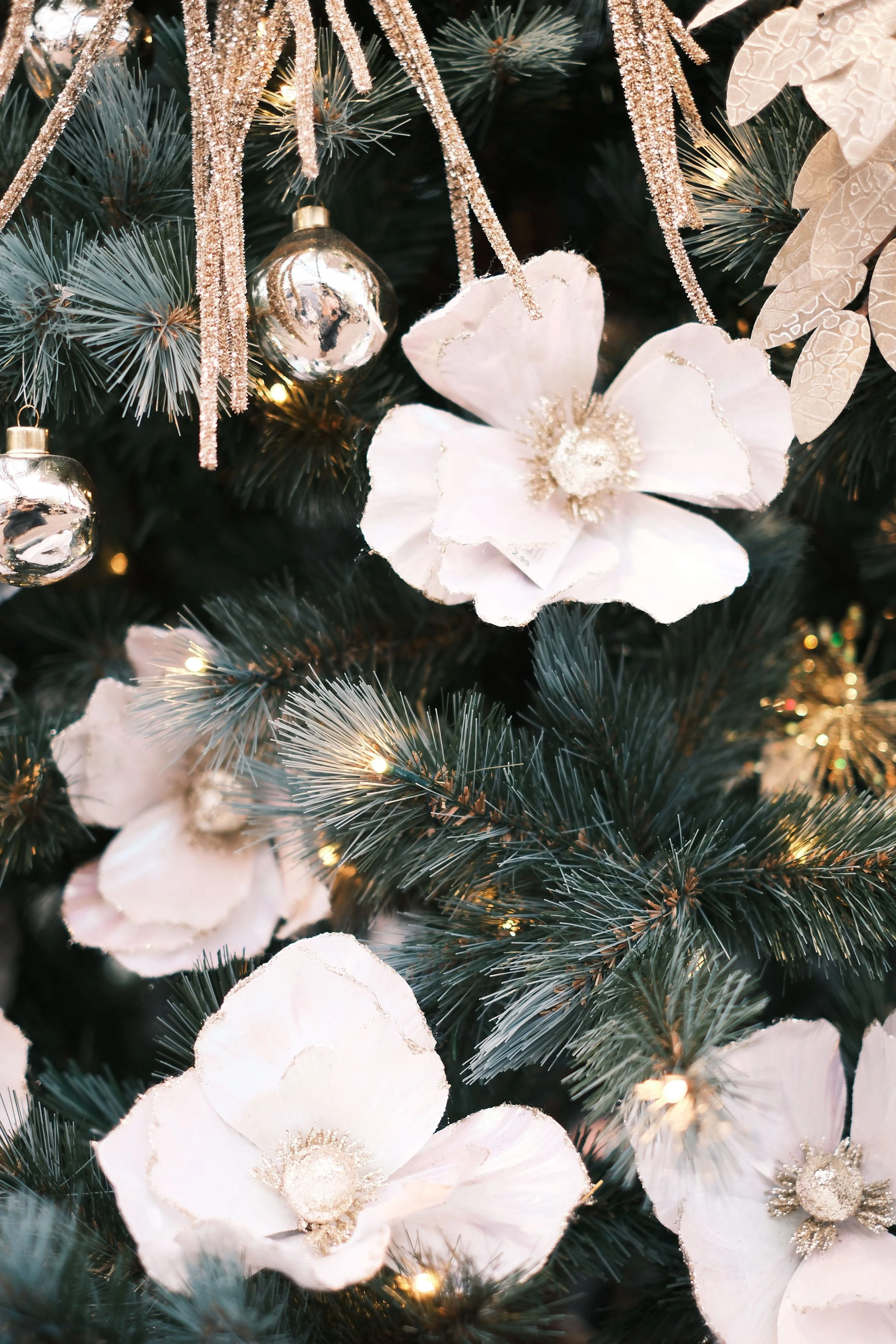
3.Place your largest anchor ornaments deep within the tree. Position your largest, matte-finished ceramic balls or heavy mercury glass shapes midway inside the branches. These large pieces fill internal empty spaces and anchor the visual weight of the design.
4.Layer your special, detailed, and delicate ornaments along the outer branches. Hang your lightweight brass lockets, fluted glass finials, and delicate velvet ornaments near the tips where they can catch maximum ambient room light and move freely without obstruction.
5.Finish with your topper and tree base cover. Crown your tree with a hand-tied velvet bow, a modern brass star, or a traditional glass finial. Secure your tree collar or smooth out your heavy linen skirt, making sure all cords and watering access points are neatly concealed.
Essential Design Rules for Long-Lasting Tree Styling
To keep your holiday tree looking crisp, radiant, and safe from early fall right through the turn of the new year, keep these practical design principles in mind:
Vary Ornament Scale: Never use only one size of ornament. Mix small three-centimeter accent balls with medium seven-centimeter spheres and dramatic ten-centimeter anchor pieces to create dynamic visual movement.
Respect Natural Branch Spacing: Avoid overcrowding every single branch tip. Leave negative space between ornament clusters so the natural texture and beauty of the evergreen needles can shine through.
Mind the Weight Distribution: Place heavy glass and ceramic ornaments on sturdy, thick interior branches close to the trunk. Reserve fragile, lightweight ornaments for delicate outer branch tips.
Match Color Temperature: Ensure all your light strands share the same color temperature. Stick strictly to warm-white LEDs around 2700K to maintain a golden, firelight-like ambience throughout your living space.
Frequently Asked Questions
How many ornaments do I need for a standard 7.5-foot Christmas tree?
For a full, well-balanced look on a standard 7.5-foot tree, aim for approximately 80 to 120 ornaments. Mix roughly 20 large anchor ornaments for the inner core, 50 medium-sized decorative pieces for main branches, and 30 to 40 smaller or delicate accent pieces for the branch tips.
Should I decorate the back of the Christmas tree if it is against a wall?
Yes, but you can alter your density. Place your most treasured, detailed ornaments on the front and sides that are visible to the room. Fill the back branches with basic shatterproof balls or filler ornaments to help reflect light off the wall behind the tree, enhancing its overall glow.
What is the best way to store delicate velvet and glass ornaments after the holidays?
Store glass ornaments in divided cardboard boxes lined with acid-free tissue paper. For velvet-flocked ornaments, avoid crushing them in tight bins; store them loosely in single-layer containers to preserve their soft pile and prevent fabric crushing.
Celebrating the Magic of the Season
Designing a breathtaking Christmas tree is one of the most rewarding creative endeavors of the entire year. By curating a thoughtful blend of matte terracotta ceramics, aged mercury glass, flowing velvet ribbons, and grounding natural tree collars, you transform a simple evergreen into an extraordinary work of art.
As your home fills with the rich aromas of winter fir, warm cinnamon, and fresh pine, your curated tree will stand as a stunning reflection of your personal taste—bringing warmth, comfort, and festive beauty to every holiday gathering.
Which ornament trend or garland style will be inspiring your tree design this season?
You May Also Like: