Sézane Knitwear Care Guide: Preventing Pilling and Preserving Mohair Sweaters
The Rosie Home Edit contains affiliate links. If you make a purchase through these links, we may receive a commission. Thank you for supporting the work we do to curate this space.
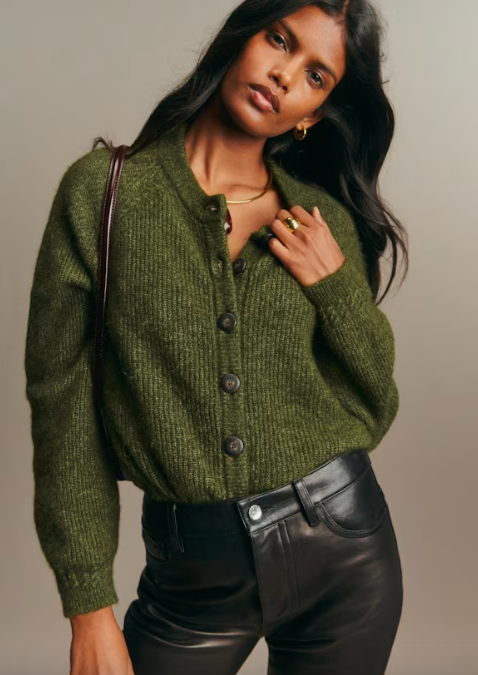
Image via Sézane
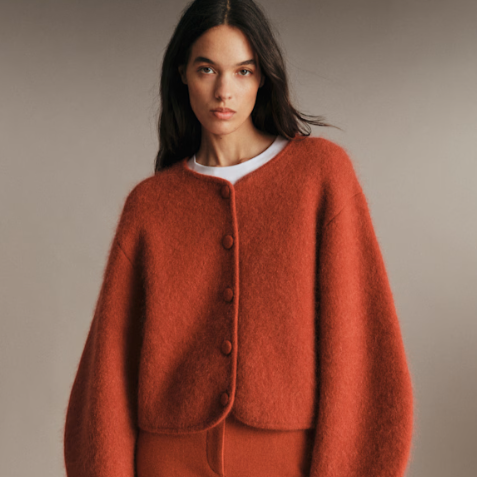
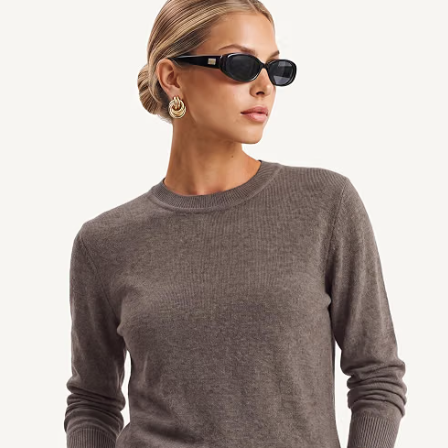
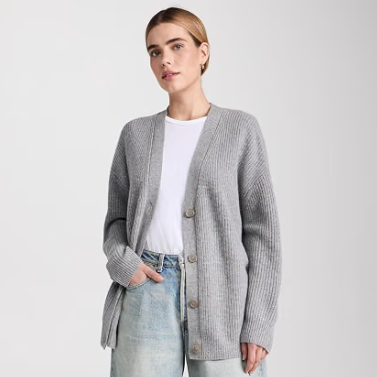
As the crisp fall air sets in and the leaves begin to turn, there is nothing quite like pulling your favorite cozy knits out of storage. Among the most coveted pieces in any modern wardrobe are the timeless, Parisian-inspired creations from Sézane. Known for their whimsical colors, vintage-inspired details, delicate lace knits, and extraordinarily fluffy textures, Sézane sweaters—particularly their iconic mohair and alpaca blends like the Gaspard, Barry, and Achille cardigans—are true investment pieces.
However, anyone who owns a high-end French sweater knows that natural, ultra-soft fibers require a bit of extra love and attention.
Have you ever put on a brand-new mohair cardigan only to notice small fuzzy balls forming under the arms after a single afternoon of wear? Or perhaps you washed your favorite cozy sweater only to have it come out stiff, matted, or shrunk to a fraction of its original size?
Proper knitwear care is an essential skill for building a sustainable, long-lasting capsule wardrobe. With the right techniques, you can keep your fine knits looking as plush, vibrant, and cloud-like as the day you unboxed them from Paris.
Here is the ultimate guide to caring for your Sézane sweaters, preventing pilling, and preserving delicate mohair and alpaca fibers for many fall seasons to come.

Image via Sézane
Understanding Delicate Fibers: Why Mohair and Alpaca Behaves Differently
To properly care for your Sézane knitwear, it helps to understand what makes these luxury natural fibers so uniquely soft and inherently delicate. Sézane frequently utilizes a blend of kid mohair, baby alpaca, merino wool, and recycled polyamide to achieve their signature fluffy halo, structural durability, and featherlight warmth.
Mohair comes from the soft coat of the Angora goat. It is celebrated for its high luster, natural sheen, and incredible heat retention despite being extremely lightweight. Alpaca, harvested from South American alpacas, is prized for being hypoallergenic, silky, and extraordinarily warm without the prickly itch often associated with traditional sheep wool.
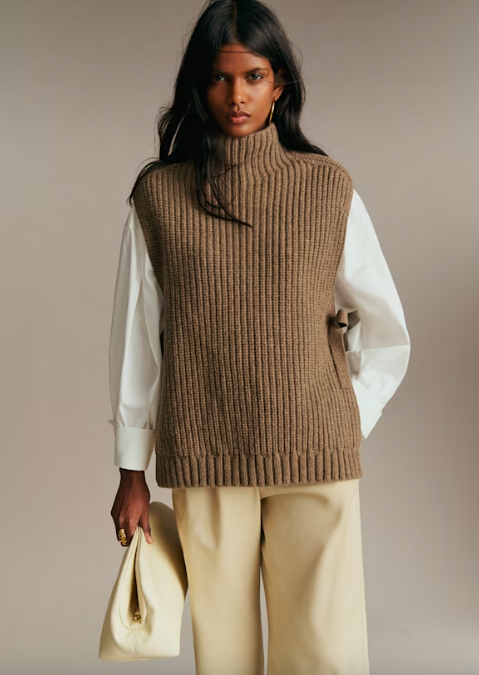
Image via Sézane
Because these natural animal fibers consist of microscopic protein scales, they react strongly to three main environmental triggers: friction, heat, and moisture. When friction occurs—such as your sweater rubbing against your handbag strap, seatbelt, or coat lining—the outer scales of the yarn catch on one another, tangle, and form tiny balls of fiber known as pills. Furthermore, when hot water or vigorous mechanical agitation in a washing machine is applied to wet wool, those microscopic scales lock together permanently in a process called felting, causing the sweater to shrink and lose its signature fluffy texture.
Understanding this delicate physical structure allows you to adjust your daily wearing, washing, and storing habits so you never accidentally damage your prized pieces.
SHOP THE EDIT
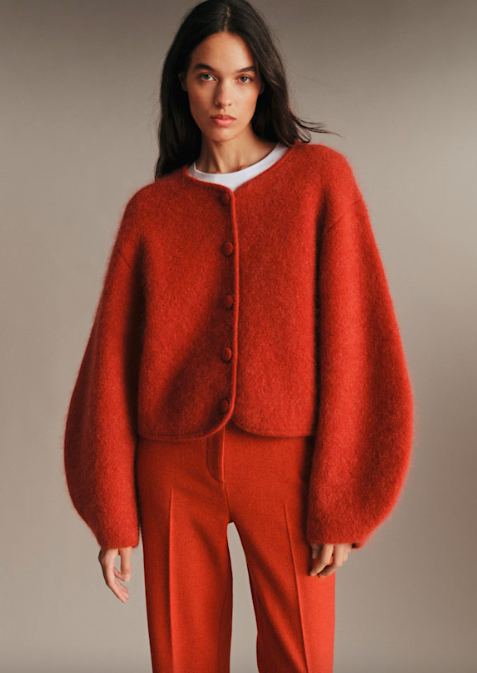
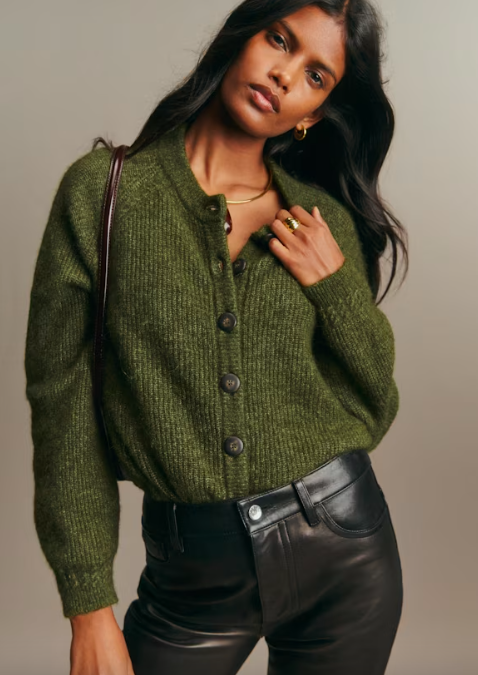

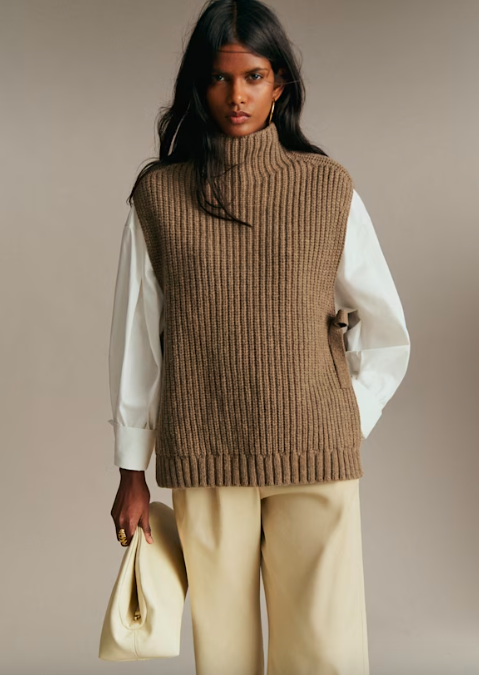
Everyday Wear Habits: Preventing Pilling Before It Starts
Preventing pilling begins long before you reach for the laundry basket. By making a few simple adjustments to how you wear your Sézane sweaters during the fall season, you can drastically reduce the amount of friction your knits experience on a daily basis.
1. Mind Your Accessories and Outerwear
The number one culprit behind sudden sweater pilling is friction caused by accessories and rough outer layers. Heavy crossbody bag straps, textured leather backpack straps, rough denim jacket linings, and metal coat zippers constantly grind against delicate mohair yarns as you walk. To minimize this, consider carrying top-handle tote bags instead of crossbody bags when wearing delicate fluffy knits. Additionally, ensure the inner linings of your fall coats and blazers are smooth, such as silk or satin, rather than abrasive or textured fabrics.
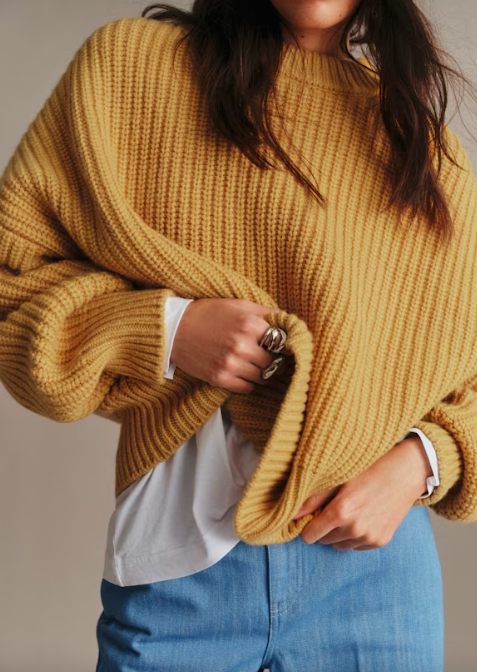
Image via Sézane
2. Rotate Your Sweaters Regularly
It is easy to fall in love with a super soft sweater and want to wear it three days in a row. However, natural fibers need time to rest. Wool, mohair, and alpaca fibers possess natural elasticity. After a full day of stretching, bending, and absorbing body moisture, the fibers need at least twenty-four to forty-eight hours to relax back into their natural shape. Give your knits a rest between wears by rotating through your collection throughout the week.
3. Be Strategic About Layering Base Pieces
Wearing a lightweight, breathable cotton or silk camisole or long-sleeve tee underneath your Sézane cardigans serves two critical purposes. First, it acts as a protective barrier between the sweater and your body, absorbing natural skin oils and perspiration. This reduces the need to wash your knitwear frequently. Second, it reduces interior friction against the knit, helping the garment retain its original drape.
The Art of Washing: How to Clean Mohair and Fine Knits Safely
One of the biggest mistakes sweater owners make is over-washing their knitwear. Because natural wool and mohair fibers possess natural antibacterial properties and naturally repel dirt, they do not need to be laundered after every single wear. In fact, spot cleaning and air-freshening your sweaters is usually more than enough to keep them fresh throughout the fall.
When the time finally comes to give your Sézane sweater a complete wash, follow these crucial hand-washing steps to ensure total safety.
Step 1: Prepare a Cool Water Bath
Never use warm or hot water on mohair or alpaca knits, as heat triggers rapid shrinking and felting. Fill a clean basin, sink, or clean tub with lukewarm or cool water.
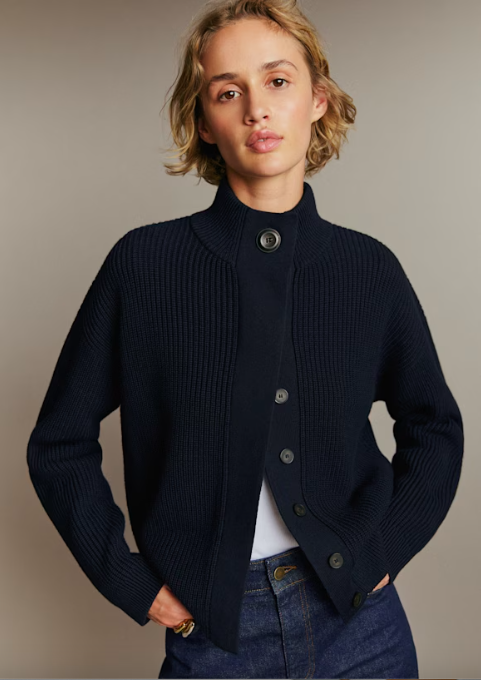
Image via Sézane
Step 2: Use a Dedicated Wool or Cashmere Shampoo
Standard laundry detergents contain harsh enzymes designed to break down organic stains, but these same enzymes will strip the natural moisture from natural wool fibers, leaving your sweater feeling stiff, scratchy, and dry. Choose a specialized, no-rinse wool wash or gentle cashmere shampoo enriched with lanolin. Mix a small capful thoroughly into the water before submerging your garment.
Step 3: Gently Submerge and Soak
Submerge your Sézane sweater into the soapy water bath. Gently press down on the garment to ensure it is completely saturated, but avoid twisting, scrubbing, or wringing the fabric. Allow the sweater to soak quietly for ten to fifteen minutes. The gentle cleanser will lift impelling odorous oils without disturbing the delicate knit structure.
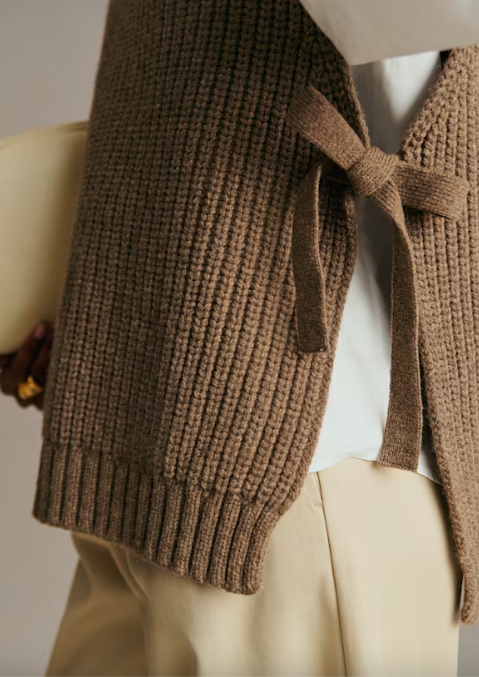
Image via Sézane
Step 4: Press Out Excess Water with the Towel Roll Technique
Once soaking is complete, gently lift the sweater from the basin, supporting its entire weight with both hands so the heavy wet fabric does not stretch out. Gently press the excess water out against the side of the basin. Never wring out a wet sweater!
Next, lay a dry, clean white bath towel flat on a hard surface. Place your damp sweater on top of the towel, smoothing out any large wrinkles. Roll the towel up tightly with the sweater inside, creating a long tube. Gently press down along the rolled towel with your hands or step on it lightly with bare feet. The dry towel will absorb the vast majority of the moisture without placing stress on the damp yarns.
Step 5: Reshape and Lay Flat to Dry
Unroll the towel and transfer your sweater onto a fresh, dry towel or a mesh drying rack away from direct sunlight, radiator heat, or heating vents. Carefully reshape the sweater by hand, ensuring the sleeves are straight, the side seams are aligned, and the collar rests in its natural position. Allow it to air-dry completely, which may take anywhere from twenty-four to forty-eight hours.
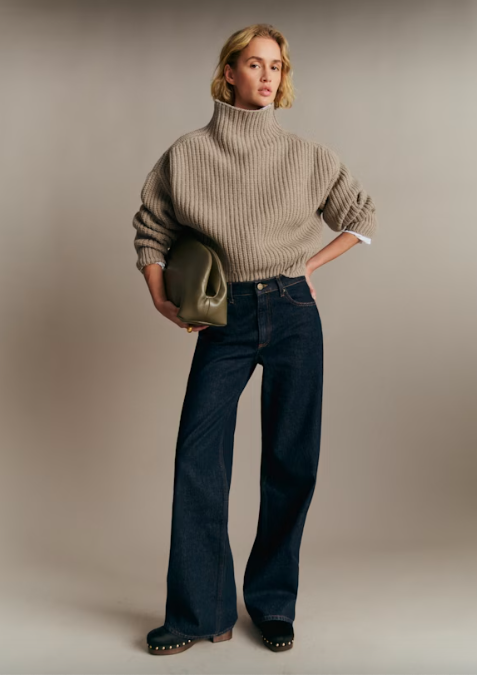
Image via Sézane
Restoring the Halo: Preserving the Fluffiness of Mohair
Over time, even properly washed mohair and alpaca knits can lose a bit of their signature fluffy "halo" and begin to look slightly flat or matted. Restoring that airy, cloud-like volume requires just a few minutes and a couple of essential care tools.
The Magic of Sweater Brushing
To revive matted mohair or alpaca, invest in a specialized natural-bristle garment brush or a soft mohair sweater brush. Once your sweater is completely dry, lay it flat on a clean table. Holding the garment secure with one hand, use very gentle, light flicking motions with the brush in the direction of the fiber's natural nap. This gentle lifting motion separates flattened yarns, gently releases trapped lint, and brings the soft, brushed halo back to life instantly.
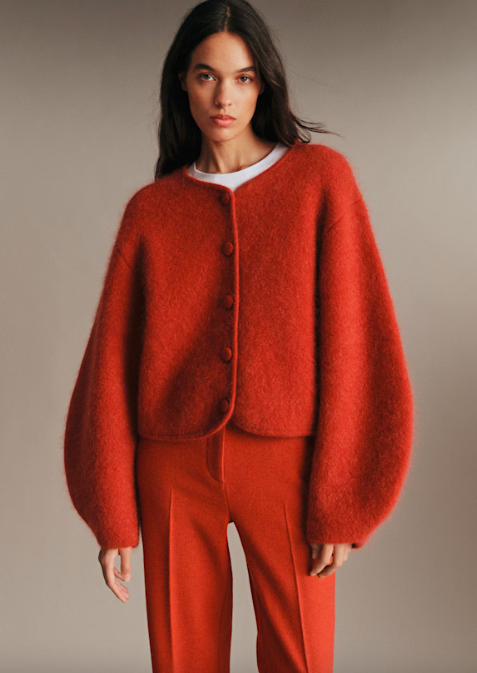
Image via Sézane
Steam, Never Iron
Never let a hot flat iron come into direct contact with a mohair or wool sweater. The weight and intense direct heat will instantly crush the raised fibers and leave a permanent shiny, singed streak across the fabric. If your sweater has deep creases or wrinkles, use a garment steamer held two to three inches away from the fabric. The gentle warm steam will cause the natural fibers to relax, plump up, and release wrinkles naturally without crushing the weave.
How to Safely Remove Pills Without Ruining Your Sweater
Despite your best efforts, minor pilling is an inevitable, natural characteristic of high-quality, soft wool yarns. The key is addressing pills correctly before they grow larger or tangle further into the fabric.
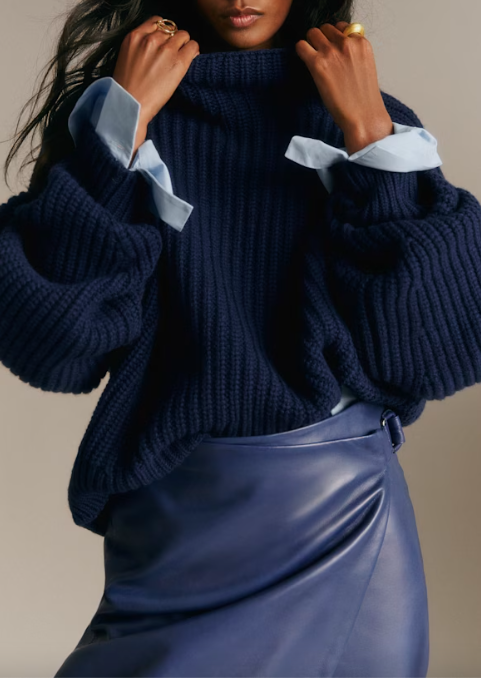
Image via Sézane
Manual Sweater Combs vs. Electric Shavers
When dealing with delicate mohair or loose, fluffy knits, caution is paramount. While electric fabric shavers work wonderfully on dense, tightly woven merino wool or cashmeres, they can easily snag and cut loose mohair loops, creating holes in your garment.
For Sézane's fluffy knits, opt for a traditional manual sweater comb or a specialized garment pumice stone. Hold the fabric taut on a flat surface with one hand. Gently glide the sweater comb across the affected areas—typically under the arms, along the sides, and around the cuffs—using light, short, single-direction strokes. The comb will comb away the loose pills cleanly without tugging on the base yarns.
Never pull or rip pills off your sweater with your fingers! Pulling on a pill stretches the underlying fiber, creating a loose strand that will quickly turn into an even larger pill.

Image via Sézane
Off-Season Storage: Keeping Your Knits Safe All Year
When the crisp fall and chilly winter days eventually give way to warm spring sunshine, storing your fine knits properly ensures they will be ready to wear again when the cold weather returns.
1. Always Clean Sweaters Before Long-Term Storage
Never store a sweater away for the summer without washing it first, even if it looks clean. Invisible body oils, perfume residue, and microscopic food particles act as a magnet for clothes moths and larvae.
2. Fold, Never Hang
Hanging knitwear on hangers is the fastest way to permanently ruin its shape. Gravity will stretch the shoulders, distort the neckline, and create unsightly "hanger bumps" that are nearly impossible to remove. Always fold your sweaters neatly and store them in flat stacks. Place heavier knits at the bottom of the stack and delicate mohair pieces on top to prevent crushing.
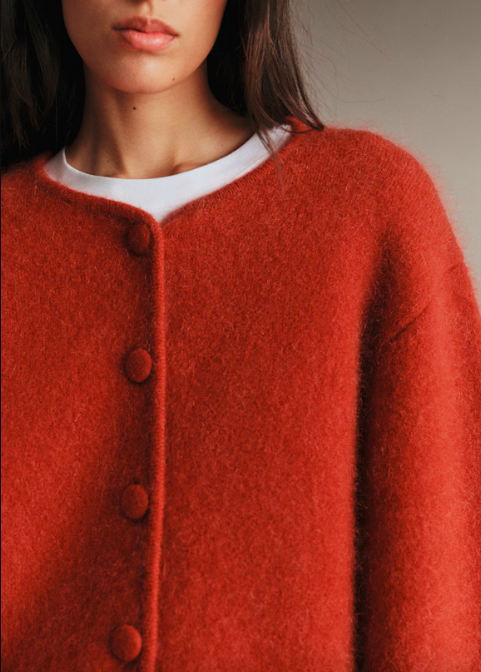
Image via Sézane
3. Use Breathable Storage Containers
Avoid storing your knits in airtight plastic bins or vacuum bags for extended periods. Natural fibers need air circulation to prevent moisture accumulation and stale odors. Instead, store your folded sweaters inside breathable cotton canvas garment bags or fabric storage boxes.
4. Natural Moth Prevention
Protect your investment from moths by adding natural repellents to your storage boxes. Cedar blocks, dried lavender sachets, and clove bags are fantastic, non-toxic alternatives to traditional mothballs. They keep insects away while leaving your sweaters smelling incredible when you unbox them for the next fall season.

Image via Sézane
Invest in Care for Lasting Parisian Elegance
A beautiful Sézane sweater is far more than a simple piece of seasonal clothing—it is an investment in timeless French style, tactile comfort, and effortless everyday luxury. By taking the time to adopt gentle wearing habits, practicing proper hand-washing techniques, and storing your pieces thoughtfully, you can ensure your favorite mohair cardigans and cozy pullovers maintain their cloud-like softness and vibrant beauty year after year.
With a little regular maintenance, your favorite Sézane knits will remain the crown jewels of your fall wardrobe for decades to come.
Which Sézane sweater style is your absolute favorite to pull out of your closet when fall arrives?